Most people spend weeks planning their itinerary. They book hotels, compare flights, and pack three different pairs of shoes. What they don’t do is prepare their body for what’s coming.
Travel puts real physiological stress on your system. Jet lag disrupts your circadian rhythm. Long-haul flights dehydrate you faster than you’d expect. And crowded airports are genuinely good at passing illness around. Knowing how to prepare your body for travel can be the difference between arriving refreshed and spending day one in bed.
Quick Answer
To prepare your body for travel, focus on five things in the week before you leave: strengthen your immune system, adjust your sleep schedule, stay well hydrated, do light daily movement, and eat balanced meals that won’t upset your gut. Combine these with a small travel health kit, and you’ll be in much better shape when you land.
Strengthen Your Immune System Before Travelling

Your immune system takes a hit when you travel. Airports are high-traffic environments. You’re touching shared surfaces, breathing recycled cabin air, and mixing with people from dozens of countries.
Start with the basics. Vitamin C and zinc are widely used to support immune function, and the evidence for both is reasonable. Aim to get them through food first: citrus fruits, leafy greens, nuts, and seeds. Supplements can help if your diet has gaps, but they aren’t a substitute for sleep and stress management.
Probiotics are worth considering too. A healthy gut microbiome plays a direct role in immune regulation. Fermented foods like yoghurt, kefir, or kimchi are good daily options in the two weeks before you go.
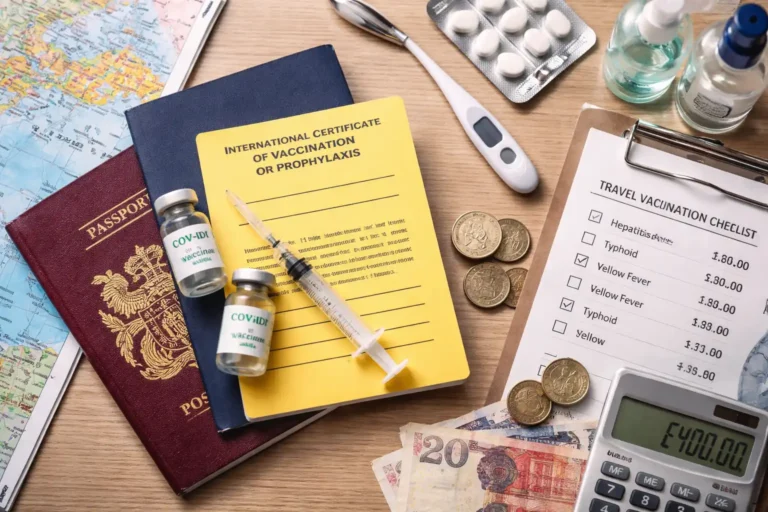
If you’re travelling internationally, check whether any vaccinations are recommended for your destination. Some are simply sensible. Others are legally required. A travel health consultation at a pharmacy or GP can clarify what you need and how far in advance to get it.
Optimise Your Sleep Before a Trip
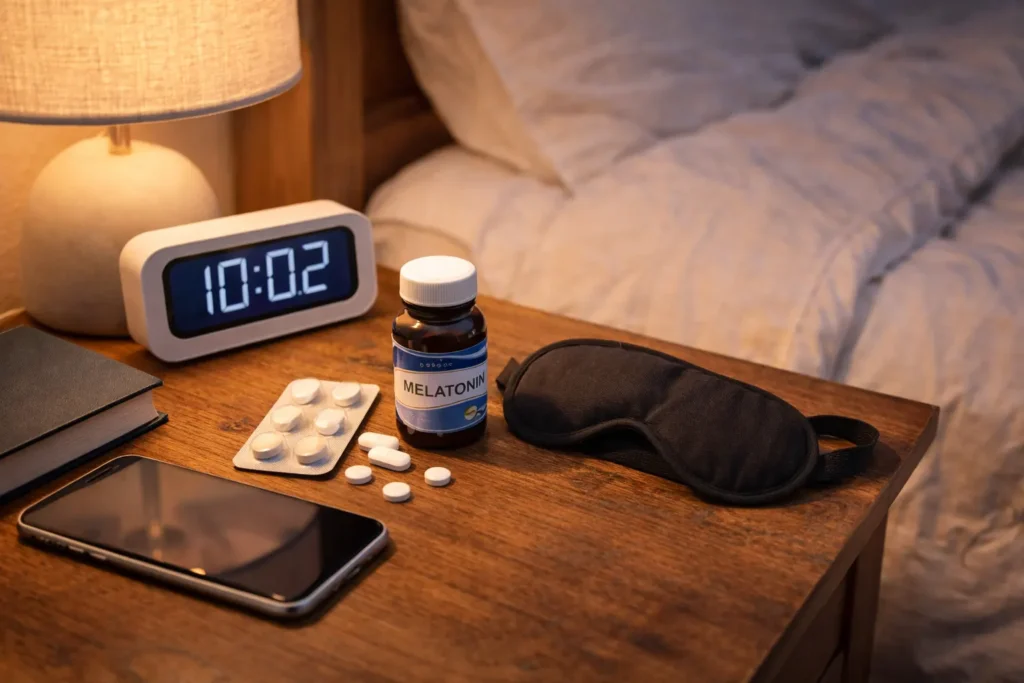
Jet lag isn’t just tiredness. It’s a mismatch between your internal body clock and the local time at your destination. Your circadian rhythm governs sleep, digestion, hormone release, and even immune activity. Disrupting it has real consequences.
In the few days before you leave, start shifting your sleep gradually. If you’re heading east, go to bed and wake up 30 to 60 minutes earlier than usual. If you’re going west, do the opposite. Small adjustments add up.
Light exposure matters more than most people realise. Morning sunlight helps anchor your circadian rhythm. Blue light from phones and screens in the evening delays melatonin release and pushes back your sleep cycle. Cutting screen time an hour before bed is a simple habit that genuinely helps.
Some people use prescription melatonin for jet lag. In the UK, melatonin is a prescription-only medicine (POM) and cannot be purchased over the counter. If you think melatonin may be appropriate for your trip, speak to your GP or an independent prescriber pharmacist who can assess your suitability and issue a prescription if appropriate
Hydrate Your Body Properly
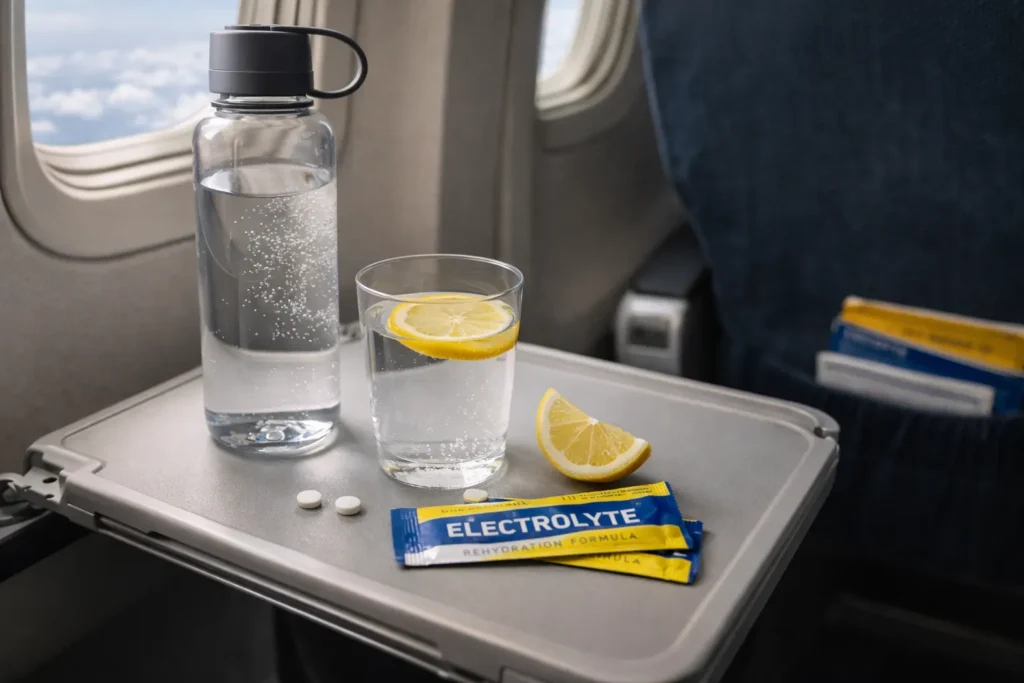
Cabin air humidity is typically between 10 and 20 per cent. That’s drier than most deserts. Your body loses moisture through breathing alone at altitude, and most passengers don’t drink nearly enough to compensate.
Dehydration affects blood circulation, concentration, and energy levels. It makes jet lag worse and can trigger headaches within hours of landing.
In the 24 hours before a flight, aim for at least two litres of water. On the plane, drink a small glass every hour rather than waiting until you feel thirsty. Thirst is a late signal.
Electrolytes help your body retain and use water properly. You don’t need a sports drink. A pinch of salt and a slice of lemon in your water works well. Limit caffeine and alcohol during and before long flights. Both are diuretics, meaning they push fluid out faster.
Prepare Your Body with Light Exercise
DVT is a recognised risk on long-haul flights, particularly those over four hours. Research published in The Lancet and others suggests economy-class travellers face an elevated risk, particularly without movement or compression stockings.
You don’t need a gym to prepare. In the week before travel, focus on mobility exercises: hip openers, calf raises, light walking. During the flight, get up and walk the aisle every 60 to 90 minutes.
Compression socks are one of the most underrated travel items you can pack. They improve venous blood flow and significantly reduce swelling in the legs. Wear them on the plane, especially on flights over five hours.
Muscle stiffness from a long journey is often made worse by tension and poor posture. A short stretching routine before you board sets your body up to handle the hours of stillness ahead.
Eat Smart Before Travelling
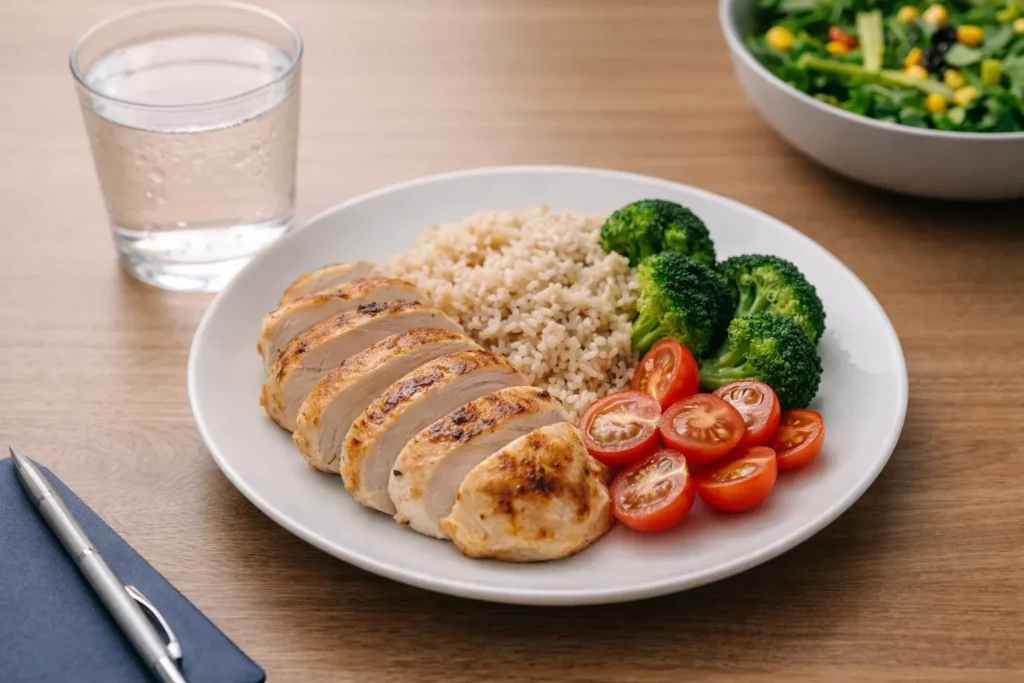
What you eat in the 24 hours before a flight affects how you feel mid-air and on arrival. Heavy, fatty meals slow digestion and can cause bloating at altitude, where cabin pressure is already lower than at sea level.
Stick to meals built around protein, complex carbohydrates, and fibre. Think grilled chicken with rice, or eggs with wholemeal toast. These provide steady energy without taxing your gut.
Avoid foods that are known to cause gas before flying. Beans, cabbage, carbonated drinks, and fried food all become worse problems in a pressurised cabin. A short list, but worth remembering.
A healthy gut microbiome starts before you leave. What you eat in the week before travel shapes how well your digestive system handles unfamiliar food, different water, and time zone changes. Keep meals varied and avoid cutting out whole food groups in an attempt to “travel light” on calories.
Pack a Personal Travel Health Kit
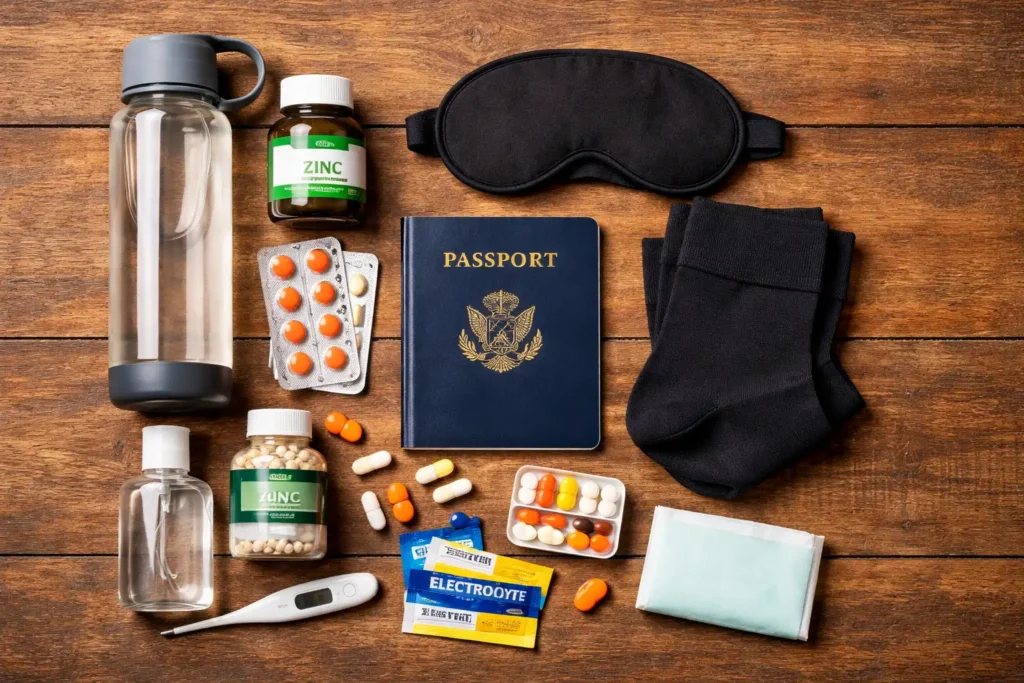
A well-stocked travel health kit saves you time, money, and panic in unfamiliar places. You won’t always find what you need at a local chemist abroad, and even when you do, it may be a different brand, dose, or formulation.
What to include:
- Pain relievers (paracetamol and ibuprofen)
- Antihistamines for allergic reactions
- Oral rehydration salts
- Antidiarrhoeals
- Motion sickness medicine (useful even if you don’t usually suffer)
- Compression socks
- Hand sanitiser with at least 60% alcohol
- Plasters and basic wound care
- Any prescription medication you take regularly, with a copy of your prescription
Pack enough prescription medication for the full trip plus a few extra days. Keep it in your hand luggage, not your hold bag.
Healthy Habits to Maintain During Travel
Preparation counts, but what you do during travel matters just as much.
Hydration: Keep drinking water through the flight. Ask for water rather than juice or alcohol. Bring a reusable bottle to refill at the gate.
Sleep management: Use an eye mask and ear plugs. Even if you can’t sleep fully, resting helps your body recover. Align your sleep with the destination time zone as soon as possible.
Stretching: Set a timer to move every 90 minutes. Calf raises in your seat, shoulder rolls, and neck stretches take 60 seconds and make a difference over a ten-hour flight.
Hygiene: Wipe down your seat tray, armrest, and screen. These surfaces are cleaned infrequently. Wash your hands before eating and after using the toilet. Don’t touch your face without clean hands.
Nutrition: Plane food is often high in sodium and low in fibre. If you have a dietary preference or restriction, request your meal in advance. Bring a snack you trust.
FAQs
How far in advance should I start preparing my body for travel?
Ideally, one to two weeks before departure. Sleep adjustments and immune support take time. You can’t cram a week’s preparation into one night.
Is melatonin safe to take for jet lag?
In the UK, melatonin (available as Circadin) is a licensed prescription-only medicine (POM). It must be prescribed by a qualified healthcare professional. It is not available to buy over the counter. Speak to your GP or a pharmacist with independent prescribing status to assess suitability.
What’s the best way to avoid getting ill on a long-haul flight?
Good hand hygiene is your strongest tool. Avoid touching your face. Stay hydrated, as dry mucous membranes are more susceptible to infection. If you’re in a window seat, avoid touching the window area, which is rarely cleaned.
What should I eat at the airport to keep energy stable?
Skip the fast food. Opt for meals with protein and slow-releasing carbohydrates: a wrap with chicken and salad, porridge, eggs, or a mixed grain bowl. Avoid sugary snacks that spike and crash your energy before boarding.
Conclusion
Preparing your body for travel doesn’t require a complicated protocol. It comes down to sleep, hydration, movement, nutrition, and a bit of forward planning.
Start a week before you go. Shift your sleep gradually, drink more water than you think you need, eat meals that support your gut, and pack a simple health kit. Do these things, and the physical stress of travel becomes much easier to manage.
If you’re planning international travel and want to check your vaccination status, or need advice on travel health medications, speak to our pharmacist. Many community pharmacies in the UK offer full travel health consultations. Book a travel health assessment with us at Orrell Park Pharmacy. Many offer walk-in or same-day consultations with no GP referral required.