

India is a top long-distance destination for UK travellers, but it poses significant health risks. Hepatitis A spreads through dirty food and water. Typhoid often occurs in cities. Rabies deaths in India rank among the highest globally.
The NHS recommends pre-travel vaccinations. There’s a big difference in immunity between the UK and India. Familiarity with a place doesn’t ensure immunity to its diseases.
Health risks depend on your plans, how long you’ll stay, what you do, and who you travel with. Consult a pharmacist to assess your specific travel plans.
There is no fixed list of vaccines that applies to every traveller heading to India. What works best depends on your plans. Consider your itinerary, where you’ll stay, how long your trip is, and what you’ll do.
Also, think about if you’re visiting family or staying in tourist hotels, and your vaccination history. The sections below divide vaccines into two groups: those most travelers need and those for specific travel risks.
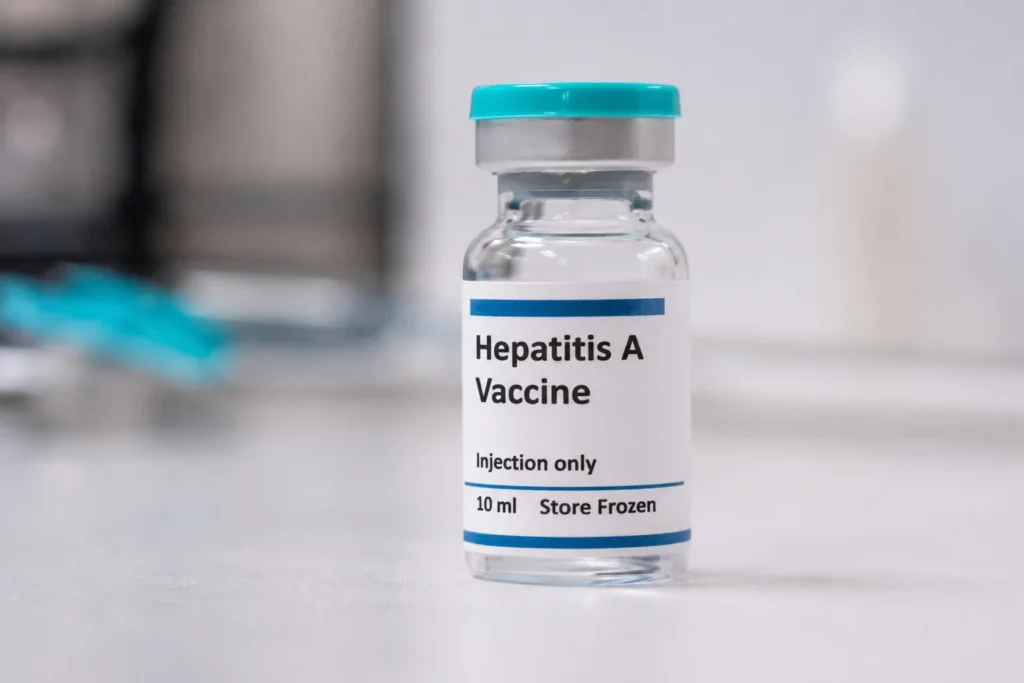
Hepatitis A is a viral liver infection. It spreads through contaminated food and water. It’s common in India, especially in urban areas and restaurants. Risks include street food, ice, salads, and unbottled water.
All unvaccinated travelers to India, no matter the trip type or length.
A single dose protects for approximately one year. A booster given 6 to 12 months later extends protection to 25 years.
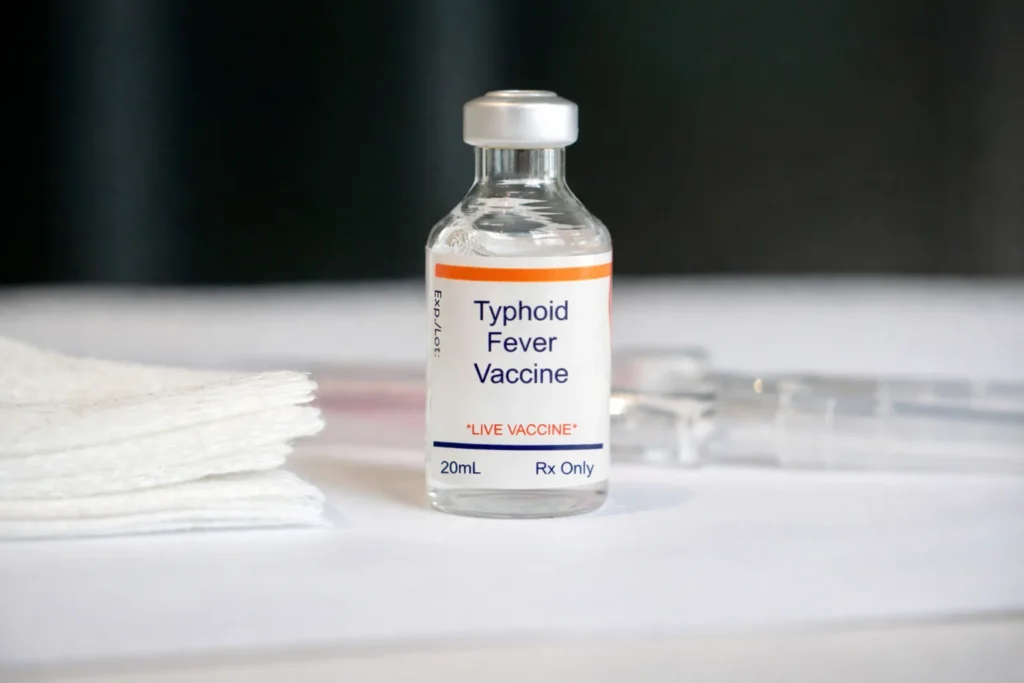
Typhoid is a bacterial infection. It spreads through contaminated food and water. This disease is common in India. VFR travelers, street food eaters, and those in rural areas face higher risks.
Most travelers to India should consider this. It’s great for those visiting family, traveling on a budget, or staying longer.
Three years for both the injection and the oral capsule course.
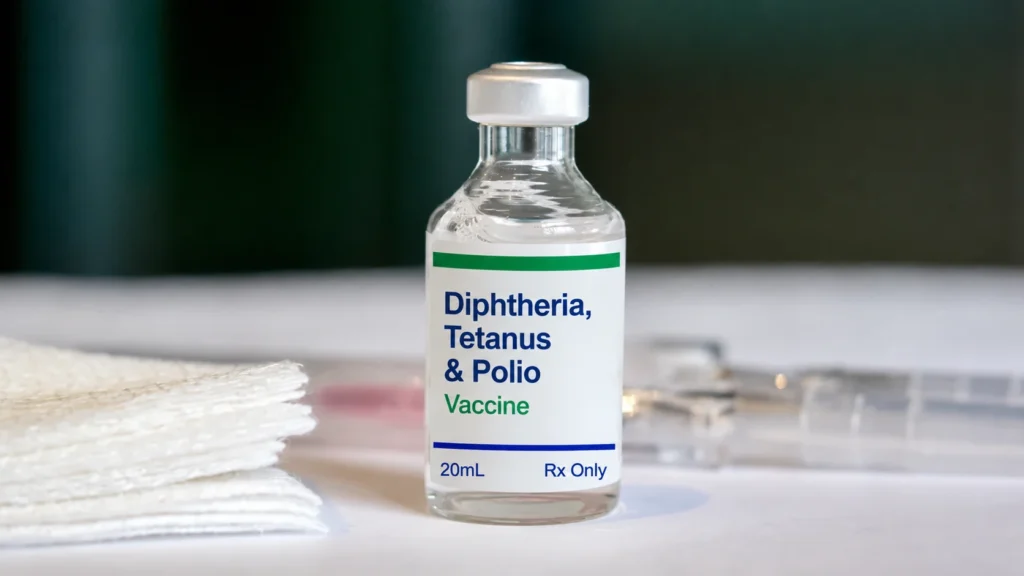
This vaccine is routine in the UK. Many adults are overdue for a booster and don’t know it. If your last dose was over ten years ago and you’re heading to a place with limited medical access, you should get a booster.
Any traveller whose last TD/IPV booster was more than ten years ago, particularly those travelling to rural areas.
Ten years per booster dose.
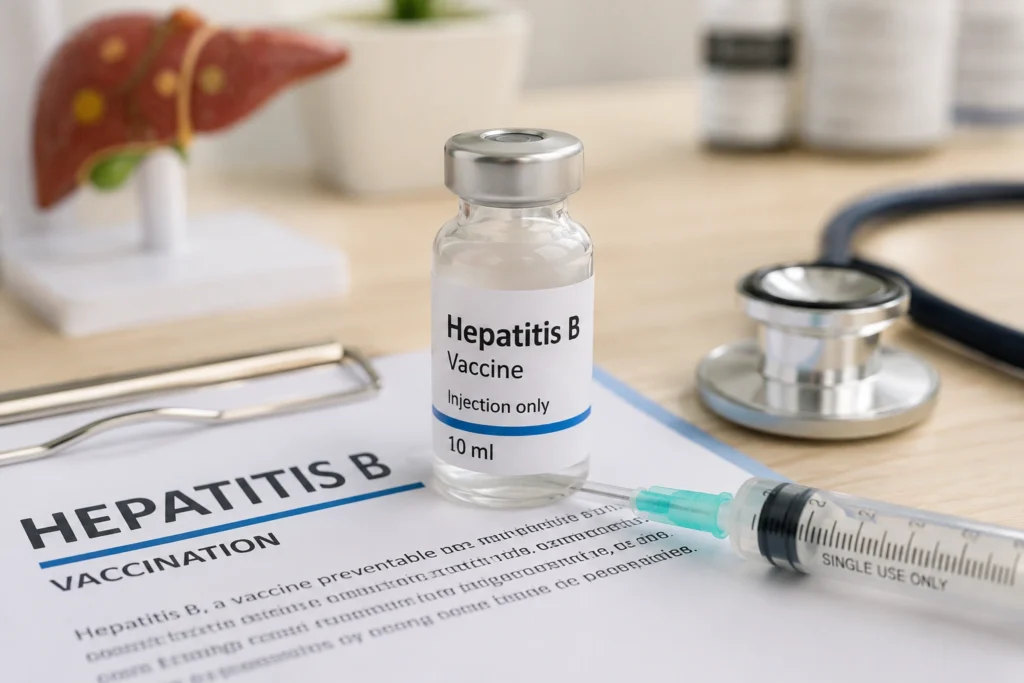
Hepatitis B spreads through infected blood and bodily fluids. This can happen during medical or dental procedures. It may also occur through contaminated equipment or sexual contact. The standard of sterilisation in some Indian medical facilities may be insufficient.
Travellers on extended trips, those who may require medical or dental treatment while abroad, healthcare workers, and those who may have potential blood-borne exposure.
Long-term after a full three-dose course. Accelerated schedules are available for urgent travel.
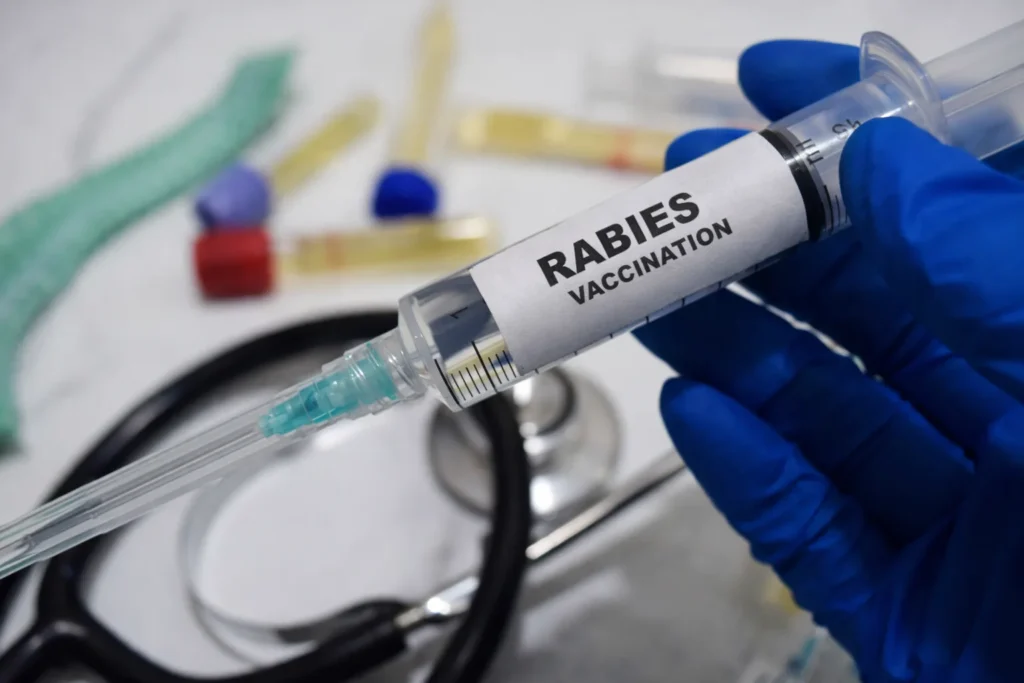
India leads the world in rabies deaths. Stray dogs and monkey bites are common here. Pre-exposure vaccination makes post-bite treatment easier. You only need two extra doses and no rabies immunoglobulin, which is often hard to find. Seek immediate medical care after a bite, then consult a specialist upon return.
Travellers heading to rural or remote areas, anyone travelling with children, trekkers, cyclists, and those staying for extended periods.
Rabies pre-exposure is two doses given a week apart, so the full course takes eight days. Even a short lead time is usually enough.
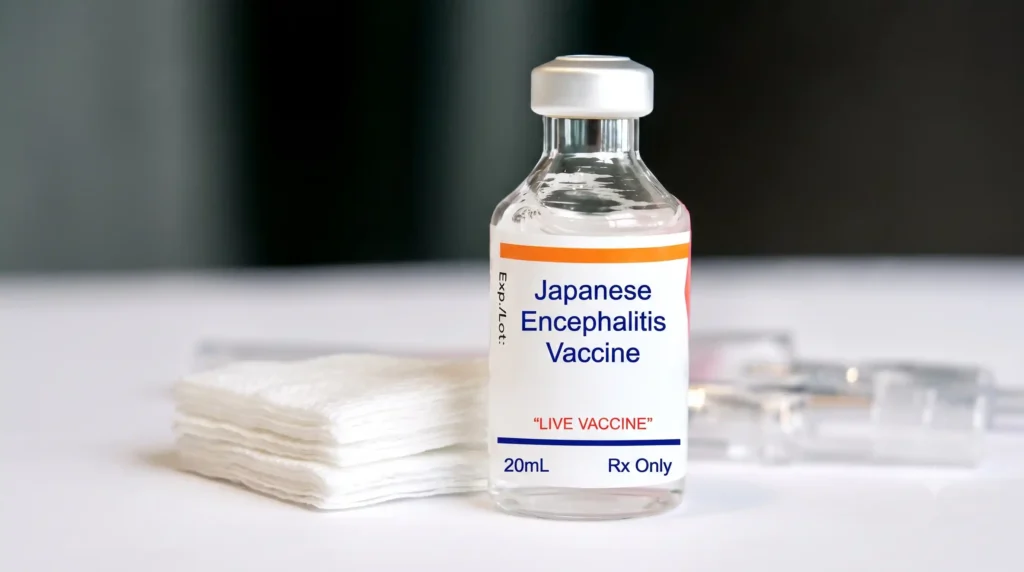
Japanese encephalitis is a viral infection spread by mosquitoes. It mainly occurs in rural and agricultural areas of India. Risk targets rice fields, pig farms, and flood plains during and after the monsoon. This season lasts from June to October. It can be severe, and there is no specific treatment.
Travellers spending time in rural or agricultural areas, those staying for more than a month, and anyone travelling during monsoon season.
A booster is recommended after one to two years for ongoing risk.
Two doses 28 days apart. This is the vaccine that most often forces a rushed itinerary, so book early if rural travel is on the cards.
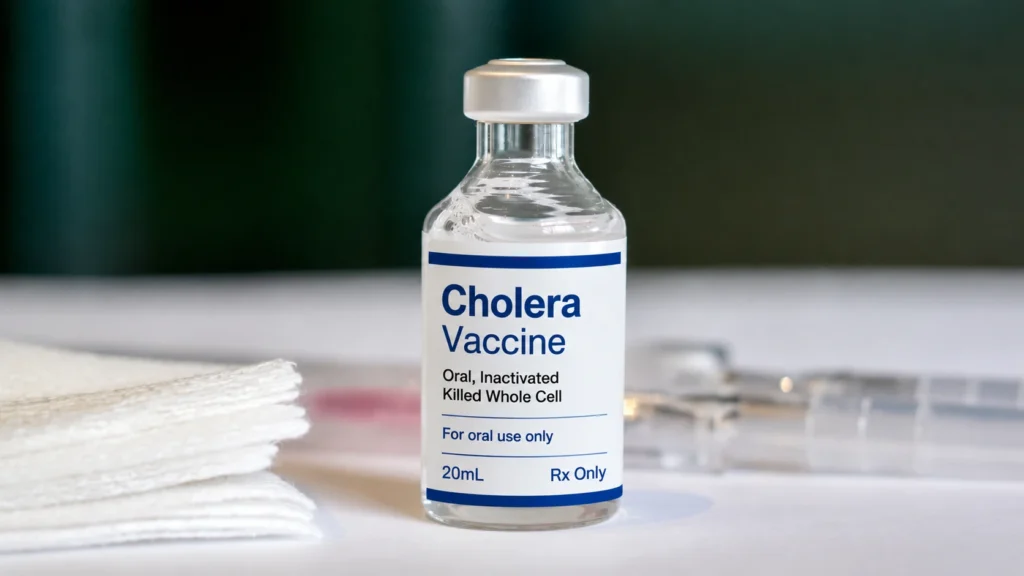
Cholera risk is low for most travelers to India. It’s vital for people heading to places with weak water systems or those likely to get severe diarrhea from health issues.
Humanitarian and disaster-relief workers and travellers to areas with active outbreaks or poor water infrastructure.
A booster is due within two years for adults, or six months for children under six.
Two doses at least a week apart for adults and children from six. Children aged two to five need three doses. Nothing to eat or drink for an hour either side of each dose.
Where you go in India matters as much as the fact that you are going. A business traveler at a tech hotel in Bangalore needs different vaccines than someone visiting family in rural Punjab for six weeks. Below is a brief breakdown by traveler type.
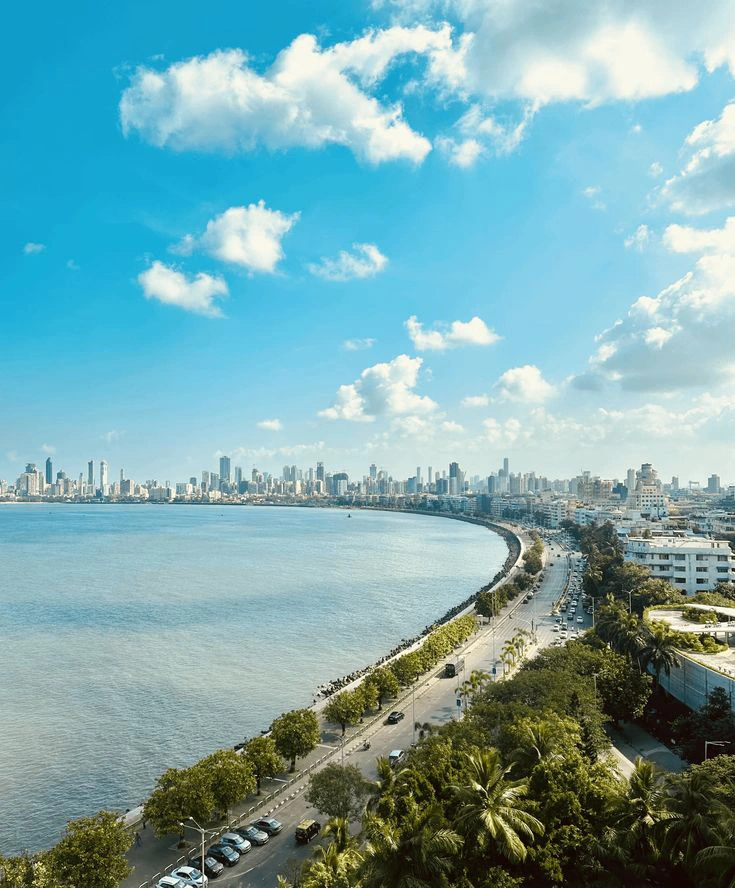
Spend time in urban hotels with safe food and water. Core vaccines include hepatitis A, typhoid, and Td/IPV. Japanese encephalitis and rabies are lower priorities for rural trips.

Staying with family can lead to more food and water options. However, it might also make you less alert. Plus, you may find places without good tourist facilities. Vaccinations should not be skipped.

Backpackers and gap-year travelers usually enjoy street food. They often use local transport and stay in budget accommodations. Protect yourself from hepatitis A, typhoid, rabies, and hepatitis B. If you’re going to rural areas, consider vaccination against Japanese encephalitis as well.

Communities must focus on rabies vaccination. Children often approach animals. They might not report bites right away. Also, they may struggle to explain their symptoms. Additionally, discuss Japanese encephalitis for rural visits.
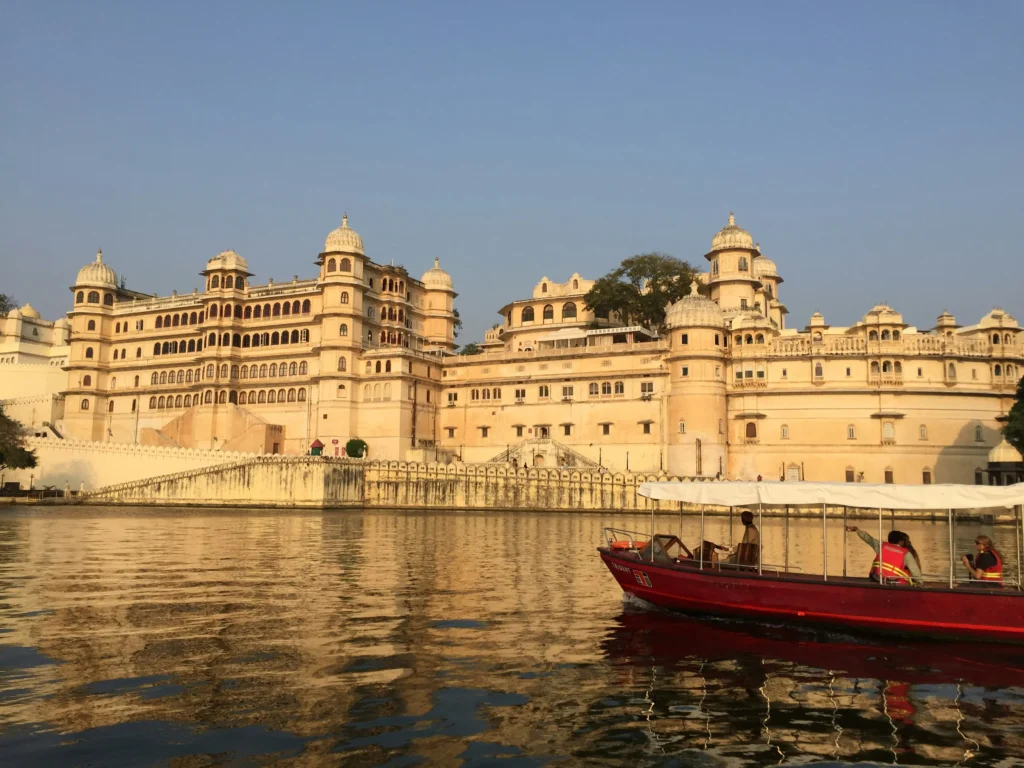
Travelers in tropical regions face varied risks, including malaria. Rabies pre-exposure vaccination is advisable. Japanese encephalitis applies to forested areas. Altitude sickness is a concern on high trekking routes.
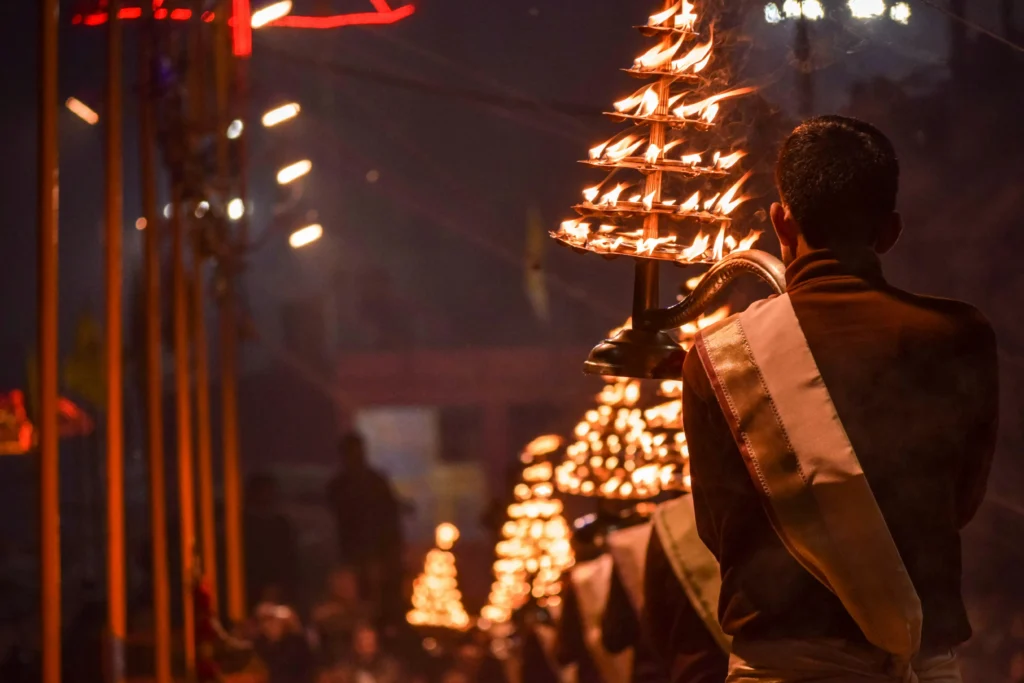
Travel in large groups and visit crowded sites. Hepatitis A and typhoid are priorities. Meningitis is worth considering for close-contact settings, especially if including Hajj or Umrah.

Vaccinations should be seen as a complete health review. Hepatitis B is important to consider. Getting a rabies pre-exposure vaccination is highly recommended. Make sure to schedule appointments well in advance for multi-dose courses.
India does not require a yellow fever vaccination certificate for travelers from the UK. But if you arrive within six days of leaving a yellow fever risk area or transiting through one, you may need it. This applies to stopovers in sub-Saharan Africa or South America, no matter where you start.
The certificate is valid for only ten days after vaccination. If you stay airside during transit, you might be exempt. However, the final decision is up to the health officer. Without a valid certificate, you could be isolated for up to six days. If your travel includes such transit, consult our pharmacist.
Schedule online or call us for same-day appointments. It’s never too late to get protected.
Your pharmacist will look at your travel plans and vaccination history. This helps them understand your health risks.
Vaccines are given on-site. You’ll get a written record and health advice.
Malaria is present in India, but travelers to popular cities face a low risk. It’s not a nationwide issue requiring tablets for all visitors.
Risk is higher in certain states. These include Odisha, Chhattisgarh, Jharkhand, West Bengal, Maharashtra, and parts of the northeast. This is especially true after the monsoon, from June to September. Rural areas and forests pose more danger than urban areas.
The need for malaria tablets depends on your travel plans. Consider your itinerary, destinations, travel dates, and medical history. We follow UKHSA guidance and NaTHNaC recommendations. Our pharmacist will discuss this during your consultation and recommend accordingly. We can provide tablets at that appointment. This means you won’t need a separate GP visit.
Dengue fever is common in India, especially during the monsoon. The Qdenga vaccine is for those with previous infections. Others should use long sleeves, DEET repellent, and mosquito nets. Chikungunya spreads like dengue, causing joint pain and fatigue. Vaccination is advised for travel during or after the monsoon. Age impacts vaccine eligibility; consult for options.
Travelers’ diarrhea is common in India due to uncertain water quality. Use bottled or boiled water. Avoid ice. Peel fruit. Choose dining spots wisely. Consider a standby antibiotic for severe symptoms if traveling to remote areas.
Vaccinations for hepatitis A and typhoid are crucial. Both diseases spread through contaminated food and water. While vaccination is crucial, it does not replace the need for strict food hygiene practices.
India has the highest rabies death toll globally, where unvaccinated stray dogs and biting monkeys are common. Clean any animal wounds immediately and consult a healthcare professional, even if vaccinated. Pre-travel vaccines reduce urgency for post-exposure treatment.
Temperatures in India often exceed 40 degrees Celsius from April to June, posing risks of heat exhaustion. Stay hydrated, avoid peak sun hours, and carry oral rehydration sachets. Sunscreen is essential year-round for sun protection.
Delhi and northern cities experience severe pollution, especially between October and February. If you have respiratory issues, get travel advice. Carry your medications. Also, think about wearing N95 masks on polluted days. Air quality can reach hazardous levels, according to WHO.
Book your India travel jabs at least six to eight weeks before departure. Some vaccines need more than one dose, and the intervals between doses are fixed. Hepatitis B requires three doses over six months on the standard schedule.
There are also faster schedules for urgent travel. Rabies pre-exposure is two doses given a week apart, so the full course takes eight days. Japanese encephalitis requires two doses, spaced 28 days apart. If you plan to travel to rural areas, allow at least five weeks.
If your trip is within six to eight weeks, book your appointment anyway. A single dose of hepatitis A or typhoid provides meaningful protection even at shorter notice. A course started late is better than no course at all.
Same-day appointments are available at Orrell Park Pharmacy. Call us if you are travelling soon, and we will work with what time you have.
Your appointment starts with a consultation, not a vaccine. The pharmacist will ask you about your trip to India. They’ll want to know which regions you will visit, how long you will stay, your accommodation types, your planned activities, and whether you are visiting family or tourist sites. They’ll also review your medical history and vaccination records.
You’ll receive only necessary vaccines, without unnecessary upselling. Vaccines are given on-site at 65 Moss Lane, and most appointments take 20-30 minutes. You’ll leave with a vaccination record, and you won’t need a GP referral or a booking fee.
Our team is trained in travel medicine. We follow the latest UK travel health advice for every consultation.
We offer short-notice bookings so you can get your India jabs quickly, even if your departure date is coming up fast.
All vaccine prices are confirmed before your appointment. There are no hidden fees or unexpected charges when you arrive at the counter.
We assess your specific itinerary, not just your destination. Recommendations are based on where you are going and what you are doing.
Travelling with others? We can arrange back-to-back appointments for couples, families, or small groups at the same visit.
Orrell Park Pharmacy has been serving the Liverpool community for years. We are a familiar, accessible choice for private travel health services.
EXCELLENT Based on 52 reviews
 Posted on Google
 Russ Barber
Trustindex verifies that the original source of the review is Google.
Dianna was very pleasant and a great servicePosted on Google AlanHad large skin tag removed and I must admit I was concerned due to the size. All I can say is absolutely brilliant.Posted on Google
 Jessica RobertsI had an allergy blood test done here this morning and the staff were amazing. The pharmacist was great when I was feeling unwell and even got me a cup of tea. The allergy test is also great value for money compared to other private companies.Posted on Google
 Melissa O'BrienThe staff are polite, friendly and helpful. My whole family use this pharmacy and are greatful for the services and the team. Thank youPosted on Google
 Miss Elytra
Trustindex verifies that the original source of the review is Google.
The staff are always very helpful and give good advice. The lack of the fifth star is because they allow non service dogs. I was in there recently collecting my Epi-Pens and allergy prevention meds (one of my allergies being to dogs) and another custom brought a dog in and let it approach everyone. I don't think this is safe for those with allergies/phobias and it would be safer if only guide dogs (or other medical assistance dogs) were allowed in.Posted on Google GarryWhat a wonderful pharmacy this is ! I don’t live in the immediate area but I can always count on them to give me the best service possible. I was so pleased to see Diana again today as my b12 injection was well overdue in my own doctor’s surgery. Diana administered the injection with her usual calm demeanour and advised me as to when I should have it topped up. Thanks again Diana ! I would have no hesitation in recommending this pharmacy to anyone who needs advice and reassurance.Posted on Google
 Janet CreevySo lucky to have this pharmacy on our doorstep. The boss Diana and staff are all kind and helpful. The best part, for those with busy lives is that you can pick up your prescription 24/7 from the cashpoint style dispensary. I put my prescription through to the doctor, and within a week I get a text to get me know its ready. You get a pin number to enter at the machine and hey presto, your medication is dispensed. This is ideal for those who can't make regular opening times, or just get there after closing. It saves standing around inside the pharmacy and mixing with people with coughs and colds. Ideal for me and my husband. Thanks for a great service for decades.
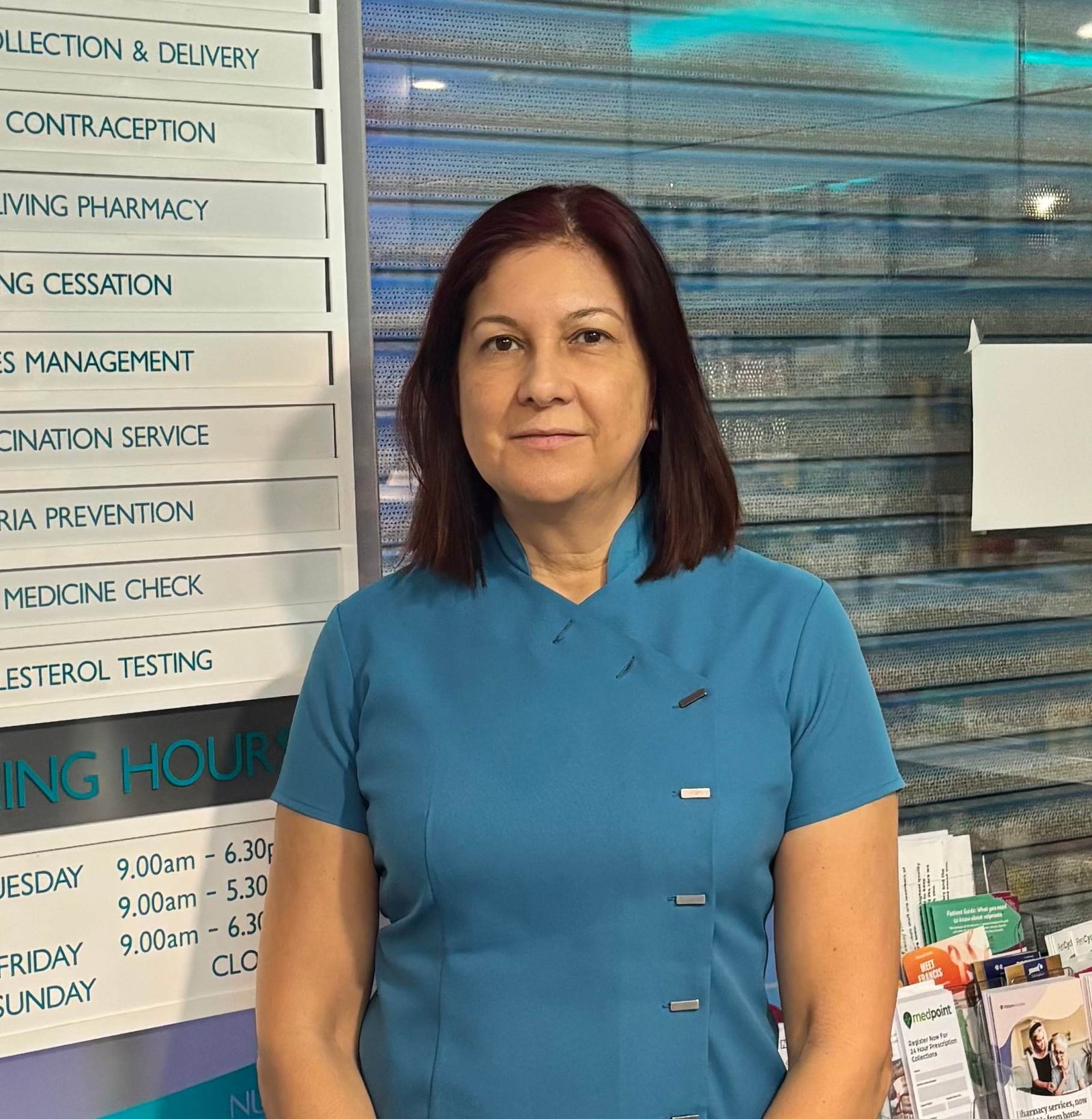
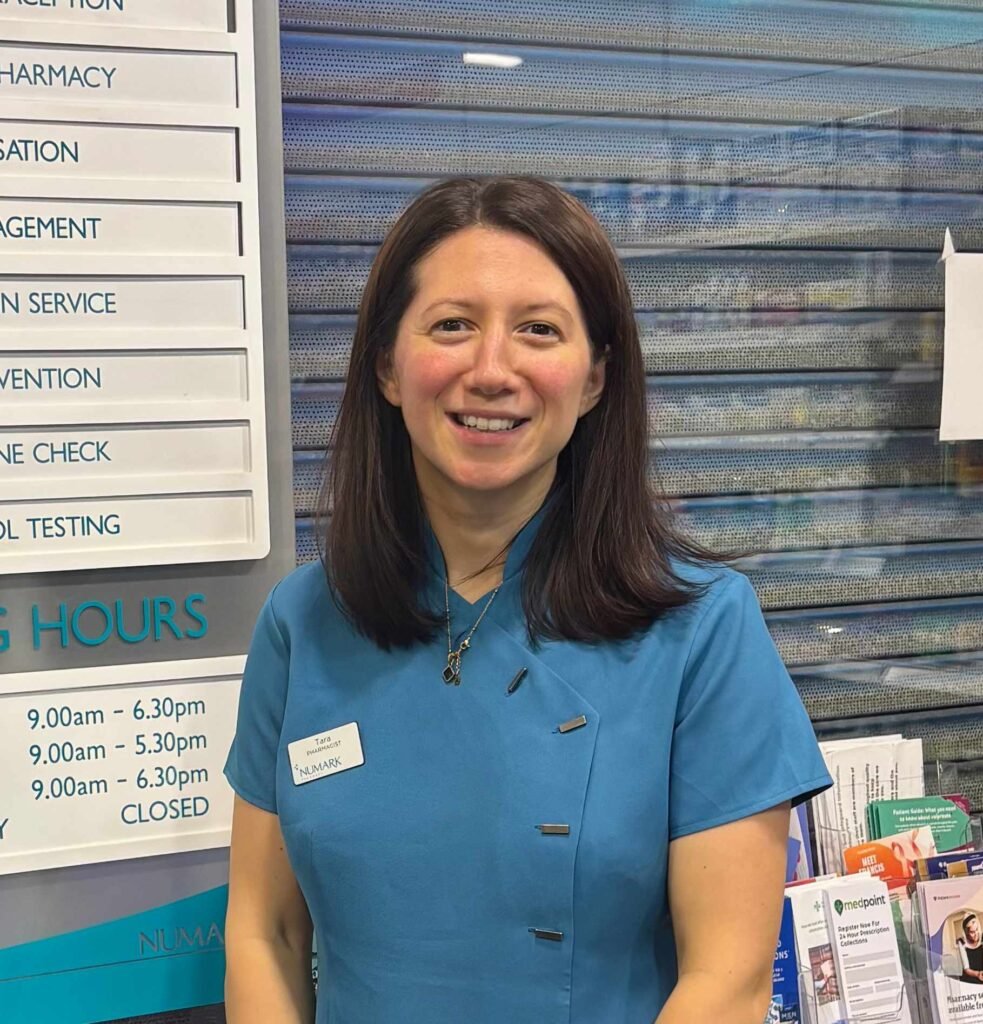
Address: 65 Moss Lane, Orrell Park Liverpool, Merseyside L9 8AE
Phone: +01515251003
Email: pharmacy.fqx60@nhs.net
Opening hours:
We see patients from across North Liverpool and beyond. If you’re travelling from any of the following areas, Orrell Park Pharmacy is your local travel clinic:
If you find yourself uncertain about any details or have further enquiries, we encourage you to reach out to our team. We are committed to providing you with the necessary support and answers.
Yes. All India travel vaccinations and the consultation itself are available directly at our pharmacy. No GP referral is required, and there is no booking fee.
Most vaccines take one to two weeks to provide full protection after the final dose. Book your trip six to eight weeks in advance. This allows enough time for multi-dose vaccines and a full immune response.
Most core vaccines are suitable for children at age-appropriate doses. Some have minimum ages to consider: Hepatitis A starts at one year, typhoid injections and cholera at two, and oral typhoid capsules at five. Japanese encephalitis can be given from two months old. Rabies can be given at any age. This is important for families living in rural areas. We recommend booking a separate pediatric consultation.
Previous travel without illness does not mean you have immunity. Hepatitis A and typhoid do not produce lasting natural immunity in most cases. A pharmacist should review your vaccination history regardless of prior trips.
Some policies need proof that you got the recommended vaccinations. Without this, your travel health claim won’t be valid. Check your policy documents before travel and keep your vaccination record with your travel documents.
Traveling to India from Liverpool or Merseyside? Visit Orrell Park Pharmacy for your travel health assessment before your flight. Our travel pharmacist will review your itinerary. They will ensure you’re protected against the specific risks of your trip.