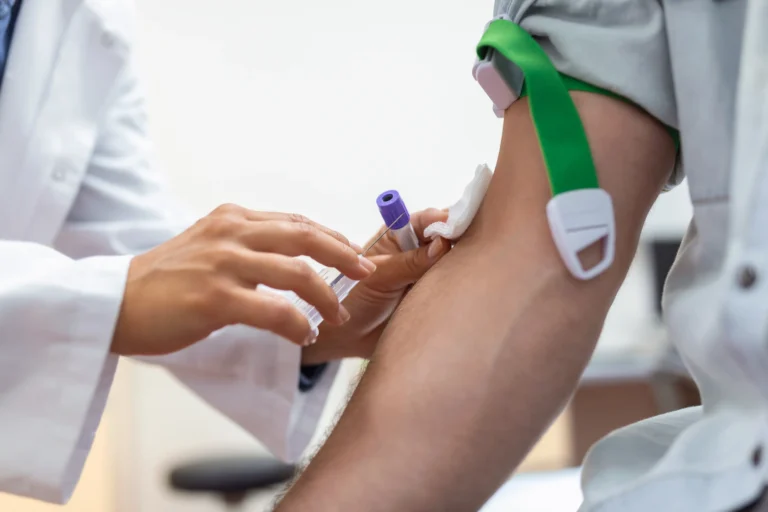

Rabies does still exist in parts of Europe, but the risk to most travellers is very low. Western Europe, the UK, and several other countries are officially rabies-free. Wildlife rabies persists in some Eastern European countries, and bat-related lyssaviruses are found across the continent.
If you are travelling to rural areas, working with animals, or planning a long trip, a pre-travel rabies vaccine is worth discussing with your pharmacist or travel health clinic.
Keep reading for a full breakdown of where the risk lies, which countries are affected, and what you should do to stay safe.
What is Rabies?
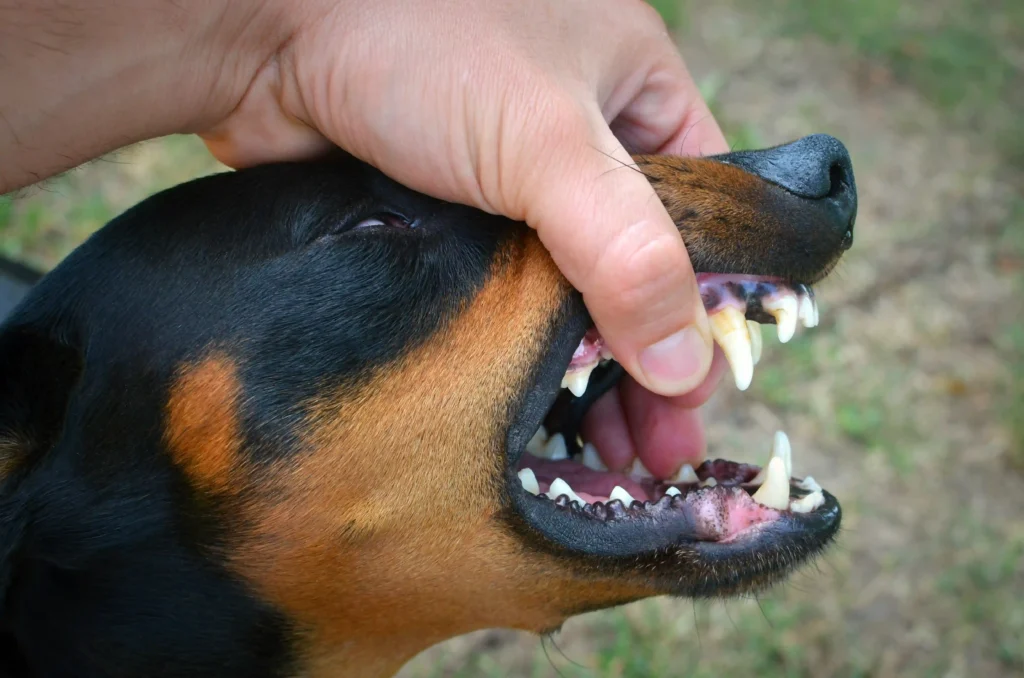
Rabies is a viral infection that attacks the central nervous system. It is caused by the rabies lyssavirus, spread mainly through the saliva of an infected animal, usually via a bite or scratch.
Once symptoms appear, rabies is almost always fatal. The mortality rate is close to 100% once clinical signs develop.
The incubation period varies widely. It can range from a few weeks to several months, depending on the location and severity of the wound.
How Does Rabies Spread?
Dogs are responsible for the vast majority of human rabies deaths worldwide. In Europe, bats and foxes are the main animal reservoirs.
You do not need a deep bite to be at risk. Scratches, licks on broken skin, and mucous membrane exposure can all lead to infection.
What Are the Symptoms?
Early symptoms include fever, headache, and a tingling sensation at the wound site. As the infection progresses, patients may experience confusion, agitation, hydrophobia (fear of water), and muscle spasms.
Death typically follows within days of the severe symptoms appearing. There is no effective treatment once symptoms begin.
Is Rabies Present in Europe Today?

Yes, but context matters here. Europe is considered a very low-risk region for rabies compared to Africa and Asia, where tens of thousands of people die from the disease each year.
The picture in Europe is not uniform. There are three categories to understand: human cases, terrestrial wildlife rabies, and bat lyssaviruses.
Human Cases
Human rabies cases in Europe are rare. Most recorded cases in Western Europe involve people who were exposed abroad, particularly in Asia or Africa, and returned home before symptoms appeared.
Locally acquired human rabies from terrestrial animals is now exceptionally uncommon in Europe. The ECDC (European Centre for Disease Prevention and Control) reports that indigenous human cases from classical rabies virus are sporadic and mainly linked to imported exposure.
Wildlife Rabies
Wildlife rabies still circulates in parts of Eastern Europe. Foxes are the primary vector in affected land-based animal populations.
Countries sharing borders with affected regions face ongoing cross-border transmission risks. This is why surveillance and oral vaccination programmes for wildlife remain active across the continent.
Bat Lyssaviruses
Bats in Europe carry their own lyssaviruses, distinct from classical rabies virus. European Bat Lyssavirus 1 (EBLV-1) and EBLV-2 are the most commonly detected strains.
Standard rabies vaccines do offer cross-protection against these bat lyssaviruses. However, bat exposure anywhere in Europe should be treated as a potential rabies risk.
Which European Countries Are Rabies-Free?

A country is considered “rabies-free” when there is no documented circulation of the rabies virus in domestic or wild terrestrial animals for a defined period, typically as assessed by the World Organisation for Animal Health (WOAH).
This status does not mean that bats are excluded from the equation. Bat lyssaviruses are present even in officially rabies-free countries.
Countries with Official Rabies-Free Status
The following countries are recognised as free of terrestrial rabies:
- United Kingdom
- Ireland
- Sweden
- Norway
- Finland
- Portugal
- Spain (mainland)
- France
- Germany
- Austria
- Switzerland
- Italy
- Netherlands
- Belgium
- Denmark
- Czech Republic
- Hungary (has achieved rabies-free status through sustained vaccination programmes)
- Greece
- Malta
- Cyprus
This list is not exhaustive, and statuses can change. Always check the latest guidance from WOAH, the ECDC, or Public Health England before travel.
How Do These Countries Maintain Rabies-Free Status?
Strict controls on animal imports are a major factor. The EU Pet Travel Scheme requires dogs, cats, and ferrets entering EU member states to be microchipped, vaccinated against rabies, and in some cases serologically tested.
Non-compliant animals face quarantine. Countries like the UK apply some of the strictest entry requirements in Europe.
Where Does Rabies Still Occur in Europe?

Terrestrial rabies continues to circulate in parts of Eastern Europe and the Balkans. The affected areas are generally rural and wildlife-dense, rather than urban tourist destinations.
Countries Where Wildlife Rabies Persists
According to ECDC and WOAH data, ongoing terrestrial rabies transmission has been documented in countries including:
- Ukraine one of the highest-burden countries in Europe, with cases in foxes, raccoon dogs, and domestic animals
- Russia (European regions) active wildlife rabies in foxes and other mammals
- Belarus significant fox and raccoon dog involvement
- Moldova cases reported in domestic and wild animals
- Turkey (European and Asian portions) domestic dog rabies remains present
The Balkan region has seen improvement due to vaccination campaigns, but risk is not zero.
The Role of Foxes and Raccoon Dogs
Red foxes are the dominant reservoir for wildlife rabies in Europe. Raccoon dogs, an invasive species that has spread westward across the continent, are also a significant carrier.
Cross-border movement of wildlife is one of the main reasons rabies can re-emerge in areas that appeared to be under control.
Is the Risk Real for Tourists?
For the average tourist visiting cities or well-known resorts in Eastern Europe, the practical risk is low. The risk rises for people spending time in rural or forested areas, working with animals, or volunteering in veterinary or wildlife settings.
Stray dogs in some Eastern European and Balkan countries still pose a risk. Avoid contact with unfamiliar animals regardless of how healthy they appear.
History of Rabies Elimination in Europe
Europe’s success in controlling terrestrial rabies is largely down to oral rabies vaccination (ORV) programmes targeting wildlife. These began in the 1970s in Switzerland and expanded dramatically across Central and Western Europe throughout the 1980s and 1990s.
Vaccine-laced baits were dropped by aircraft over large forested areas. Foxes, the primary target, consumed the baits and developed immunity.
Cross-Border Cooperation
Effective elimination required countries to coordinate. Foxes do not recognise national borders, so a vaccination gap in one country could easily reintroduce the virus to a neighbouring one.
The European Commission co-financed ORV programmes for decades. This investment is widely credited for the current low-risk status across most of the continent.
Where Challenges Remain
Eastern Europe has struggled with consistent implementation due to funding constraints and political instability. The raccoon dog has complicated control efforts because it behaves differently to foxes and is harder to target with the same bait strategies.
WHO and ECDC continue to flag these eastern regions as priority areas for sustained surveillance and vaccination investment.
How Can Travellers Protect Themselves?

Who Should Consider a Pre-Exposure Rabies Vaccine?
Pre-exposure prophylaxis (PrEP) involves a course of rabies vaccines given before travel. It does not eliminate the need for post-exposure treatment, but it simplifies it significantly and buys critical time.
You should seriously consider PrEP if you are:
- Travelling for more than a month to areas where rabies is present
- Working with animals, in wildlife conservation, or in a veterinary role
- Travelling to remote areas where medical care is not easily accessible
- A child (children are at higher risk due to animal contact behaviour)
Speak to a pharmacist or travel health nurse at least 3 to 4 weeks before travel. The standard PrEP course requires multiple doses over several weeks.
Practical Safety Tips on the Ground
- Do not approach or handle stray dogs, cats, monkeys, or bats
- Teach children not to touch unfamiliar animals, even those that appear friendly
- Avoid feeding wildlife or handling bats, even dead ones
- Keep up-to-date documentation if travelling with a pet
What to Do After a Bite or Scratch
Act immediately. Wash the wound thoroughly with soap and water for at least 15 minutes. This single step can reduce the risk of infection considerably.
After washing, apply an antiseptic such as iodine or alcohol if available. Then seek medical attention without delay, even if the wound looks minor.
Post-exposure prophylaxis (PEP) involves a course of rabies vaccines and, in some cases, rabies immunoglobulin. PEP is highly effective when started promptly after exposure. Do not wait for symptoms.
If you received PrEP before travel, you will still need PEP but the course is shorter and immunoglobulin is not required. This is a significant advantage in countries where immunoglobulin may not be readily available.
Frequently Asked Questions
Can I get rabies from a bat in the UK?
The UK is free of classical terrestrial rabies, but bats here can carry Daubenton’s bat lyssavirus (EBLV-2). This virus is closely related to rabies and has caused at least one human death in the UK. Bat handlers and conservationists in the UK are advised to have pre-exposure rabies vaccination as a precaution. If you are scratched or bitten by a bat in the UK, seek medical advice promptly.
Does the rabies vaccine protect against bat lyssaviruses found in Europe?
Yes. Current rabies vaccines provide cross-protection against most bat lyssaviruses found in Europe, including EBLV-1 and EBLV-2. The vaccines are not 100% identical to bat lyssavirus strains, but they produce enough immune response to be protective. This is why vaccination is recommended for anyone regularly handling bats, even in rabies-free countries.
Is rabies a risk if I am only visiting cities?
For city-based travel in Central or Western Europe, your risk is extremely low. The situation changes slightly in Eastern European cities where stray dog populations are higher, such as parts of Romania or Ukraine. Even then, the risk from a single, unprovoked encounter is small. The key is avoiding contact with unknown animals and knowing what to do if contact does occur.
How long does it take for rabies symptoms to appear after exposure?
The incubation period is usually between 1 and 3 months, though it can range from a few days to over a year. Bites close to the head and neck tend to result in shorter incubation periods. This variability is one reason why post-exposure treatment is recommended even weeks after a suspected exposure.
Is rabies vaccination available at UK pharmacies?
Yes. Many UK pharmacies offer travel health consultations, including rabies pre-exposure vaccination. Pre-exposure rabies vaccination at our pharmacy is a 2-dose course, given on day 0 and day 7. Because the two doses are a week apart, try to book at least 3 to 4 weeks before travel so the course is complete and protection has developed before you go.
Conclusion
Rabies in Europe is a genuine concern in specific areas, not something to dismiss or to panic about. Western and Northern Europe are largely rabies-free, thanks to decades of wildlife vaccination and strict animal import controls.
The risk is concentrated in parts of Eastern Europe, particularly Ukraine, Belarus, and Moldova, mainly in wildlife rather than domestic settings. Bat lyssaviruses remain a consideration across the entire continent.
For most travellers, sensible precautions and awareness are enough. For those heading to higher-risk areas or planning extended trips, a pre-travel vaccine is a straightforward step that offers meaningful protection.
If you are unsure whether you need a rabies vaccine before your trip, speak to your local pharmacist or a travel health specialist. It is always easier to be prepared before you travel than to manage exposure from abroad.