The right blood test depends on your symptoms. Fatigue and pale skin point toward a complete blood count and iron studies. Unexplained weight changes suggest a thyroid panel. Excessive thirst and frequent urination call for a fasting glucose test or an HbA1c test.
Joint pain with swelling warrants inflammatory markers like CRP and ESR. No single test checks everything. But it’s easy to match your symptoms to the right panel. Just know what each test looks for.
Keep reading for a complete symptom-to-test guide. You’ll find simple explanations of each major blood test and tips for getting the most accurate results.
When to Consider a Blood Test for Your Symptoms

Not every symptom requires a blood test. Still, some warning signs should be checked out early. This way, they won’t turn into bigger issues that are harder to treat. A blood test gives your healthcare provider a measurable baseline rather than a guess.
If you’ve had any of these issues for weeks with no clear reason, consider booking a test:
- Ongoing fatigue that doesn’t get better with rest
- Unexplained weight gain or loss
- Frequent infections or slow healing of wounds
- Joint pain or swelling
- Frequent urination or excessive thirst
- Prolonged weakness and low energy
Symptom Checker: Find the Right Blood Test
Use this table to match your main symptom to the most relevant test, then read the full explanations below before booking.
| Symptom or Concern | Recommended Blood Test | What It Checks |
| Fatigue, weakness, pale skin | Full Blood Count (FBC), Iron Studies, Vitamin B12 | Red blood cells, hemoglobin, iron stores, anemia risk |
| Unexplained weight gain or loss | Thyroid Panel (TSH, T3, T4) | Thyroid hormone regulation and overall metabolism |
| Excessive thirst, frequent urination | Fasting Glucose, HbA1c. See a GP urgently if these come with weight loss or you feel increasingly unwell. | Average blood sugar levels over 2 to 3 months, diabetes risk |
| Joint pain, chronic swelling | CRP, ESR | Inflammatory markers, potential autoimmune conditions |
| Bone pain, frequent infections | Vitamin D Test | Immune function, bone strength, calcium absorption |
Most Common Blood Tests Explained
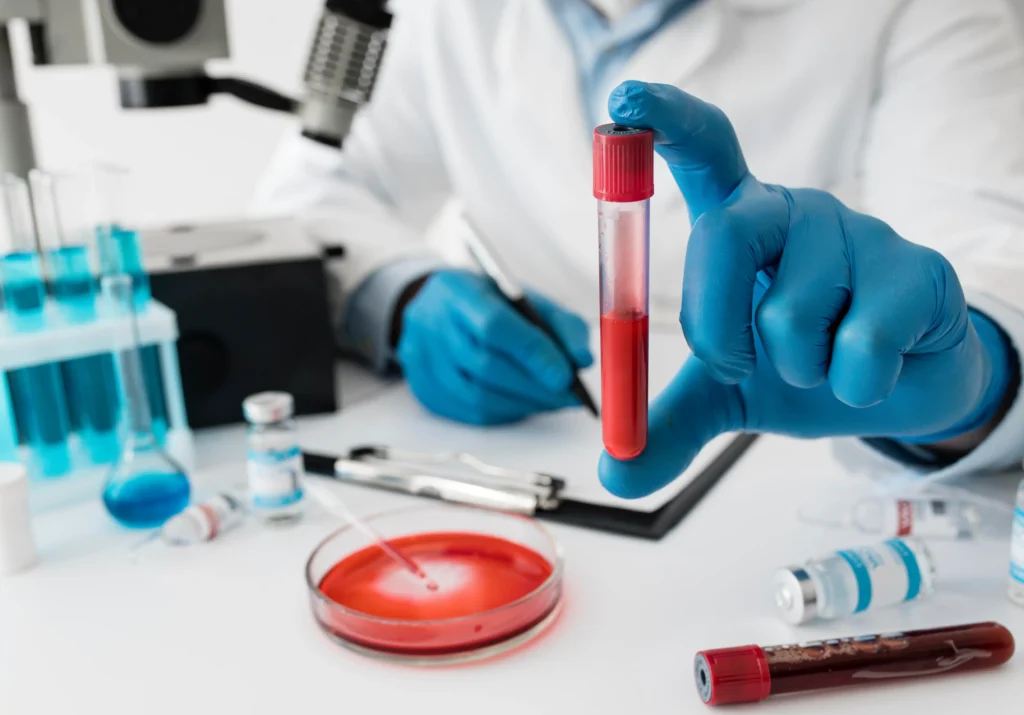
Complete Blood Count (CBC / Full Blood Count)
The full blood count (FBC), or CBC, is the UK’s most common blood test. It checks red blood cells, white blood cells, and platelets.
Red blood cell counts help identify anemia and its causes. White blood cell counts show how active the immune system is. They can also signal infections or blood cancers. Platelet counts assess clotting function. While an FBC can’t diagnose issues, it guides further investigation.
Commonly recommended for:
- Unexplained fatigue
- Pale skin
- Recurrent infections
- Easy bruising
- Shortness of breath
- General health screening
Metabolic panels (U&Es, LFTs, and glucose)
Metabolic panels check substance levels in the blood. They help assess your overall metabolic health.
In the UK, these markers are usually grouped as:
- Liver function tests (LFTs)
- Kidney function tests (U&Es)
- Electrolytes
- Blood glucose
These tests check for problems such as liver disease, kidney disease, electrolyte imbalance, or blood sugar issues.
These panels check for glucose, calcium, sodium, potassium, chloride, urea, and creatinine. They also include liver markers like ALT, AST, ALP, and bilirubin. Urea, related to blood urea nitrogen (BUN), is a key marker of fluid balance and kidney function.
Lipid Panel
A lipid panel checks important blood fats such as total cholesterol, LDL, HDL, and triglycerides. It shows your risk for heart problems. Fasting is no longer required for a standard profile, as non-HDL cholesterol is now preferred.
High LDL and triglycerides, along with low HDL, increase risk of heart disease and strokes. The NHS Health Check is for people aged 40-74. It helps assess risk and keep track of treatment. Private tests are also available for those who want checks more often.
Blood Glucose and HbA1c
The fasting glucose test checks blood sugar at one point in time. The HbA1c test shows the average blood sugar over 2-3 months. HbA1c is the best choice for diagnosing type 2 diabetes or prediabetes. It doesn’t change with recent meals or illnesses. Fasting glucose tests help assess insulin resistance and reactive hypoglycemia.
Recommended for:
- Diabetes symptoms
- Routine NHS screenings for ages 40-74
- People with risk factors like obesity or family history
Private testing allows for earlier or more frequent screenings.
Thyroid Function Tests
A standard thyroid screen starts with TSH (thyroid-stimulating hormone) from the pituitary gland. High TSH indicates hypothyroidism; low TSH suggests hyperthyroidism.
A complete panel includes free T4 and T3, the hormones produced by the thyroid. T4 is stored; T3 is active. Testing all three helps identify if issues stem from the thyroid or pituitary. Thyroid antibody tests can check for autoimmune causes.
Recommended for:
- Unexplained weight changes
- Fatigue
- Hair loss
- Temperature sensitivity
- Palpitations
- Anxiety
- Digestive issues
- Neck swelling
Iron Studies
Iron studies provide more insight than a standard blood count. They include serum iron, ferritin, transferrin saturation, and total iron-binding capacity (TIBC). These tests help identify anemia and its cause.
Low ferritin with normal hemoglobin shows iron deficiency without anemia. This is common in tired women. High ferritin may indicate iron overload or inflammation, as it can rise during infections.
Recommended for:
- Fatigue
- Pale skin
- Hair loss
- Brittle nails
- Restless legs
- Heavy periods
- Low hemoglobin in a basic blood test
Vitamin B12 and Folate
Vitamin B12 and folate are crucial for red blood cell production and nerve function. A lack of either can cause megaloblastic anemia. This condition is marked by enlarged and poorly formed red blood cells. B12 deficiency can also cause neurological symptoms.
These vitamins are often tested together since a deficiency in one can hide the other. If you have tingling, numbness, balance problems, or memory changes, see your GP right away. Untreated B12 deficiency can lead to lasting nerve damage.
Watch for these signs:
- Fatigue
- Tingling or numbness in hands or feet
- Memory problems
- Mood changes
- Sore tongue
- Anaemia
Vitamin D Test
Vitamin D deficiency is common in the UK due to limited sunlight. A 25-hydroxyvitamin D blood test is the standard for assessing vitamin D levels.
Symptoms may look like other problems. These include fatigue, bone pain, weakness, low mood, and frequent infections. Testing is recommended before starting supplements, as individual responses vary.
Recommended for:
- Bone pain
- Frequent infections
- Unexplained fatigue
- Low mood, especially in winter
- Limited sun exposure
- Conditions that affect fat absorption
Liver Function Tests
Liver function tests (LFTs) assess liver health by measuring enzymes, proteins, and bilirubin. Key markers include ALT, AST, ALP, GGT, total bilirubin, albumin, and total protein.
Elevated ALT and AST suggest liver damage. GGT indicates alcohol use. High bilirubin leads to jaundice, while low albumin signals chronic liver disease. Medications can change LFT results. So, tell your doctor about any drugs or supplements before your test.
Recommended for:
- Jaundice
- Upper right abdominal pain
- Nausea
- Alcohol monitoring
- Medication monitoring
- Unexplained weight loss
- Fatigue without a clear nutritional cause
Kidney Function Tests
Kidney function tests measure creatinine, urea, and eGFR (estimated glomerular filtration rate). eGFR indicates how well kidneys filter blood; a decline suggests worsening function. Elevated creatinine and urea in the blood signal poor kidney clearance.
Electrolytes like sodium and potassium are also assessed, as kidneys manage fluid and mineral balance. These tests are crucial for monitoring patients on long-term medications affecting kidney health.
Commonly recommended for:
- Swelling in legs or ankles
- Reduced urine output
- Fatigue
- High blood pressure
- Diabetes
- Monitoring patients on long-term prescription medications
Inflammatory Markers (CRP and ESR)
C-reactive protein (CRP) and erythrocyte sedimentation rate (ESR) both show inflammation. However, they measure it in different ways. CRP rises quickly during acute inflammation and normalizes fast. In contrast, ESR increases slowly and stays elevated. This makes ESR better for tracking chronic inflammation.
The high-sensitivity CRP (hsCRP) test checks cardiovascular risk. Even mild chronic inflammation can harm arterial health. CRP and ESR tests show inflammation, but they don’t find the cause. This means more investigation is needed.
Commonly recommended for:
- Joint pain or swelling
- Suspected infection
- Autoimmune conditions like rheumatoid arthritis, lupus, and inflammatory bowel disease
- Monitoring chronic disease
- Cardiovascular risk screening
Hormone Tests
Hormone testing varies based on clinical needs. Common tests include FSH, LH, oestradiol, progesterone, and prolactin for menstrual and fertility issues; testosterone for low energy and libido in men; DHEA-S and cortisol for adrenal health; and insulin for metabolic health and in people with PCOS.
Timing is crucial as hormone levels fluctuate daily and during the menstrual cycle. Cortisol should be tested in the morning. Progesterone is best checked on day 21 of a 28-day cycle. Consult a clinician for optimal testing times.
Commonly recommended for:
- Irregular or absent periods
- Fertility concerns
- Symptoms of menopause or perimenopause
- Low libido
- Fatigue with mood changes
- Unexplained weight gain
- Acne with hair thinning in women
How to Prepare for Your Blood Test
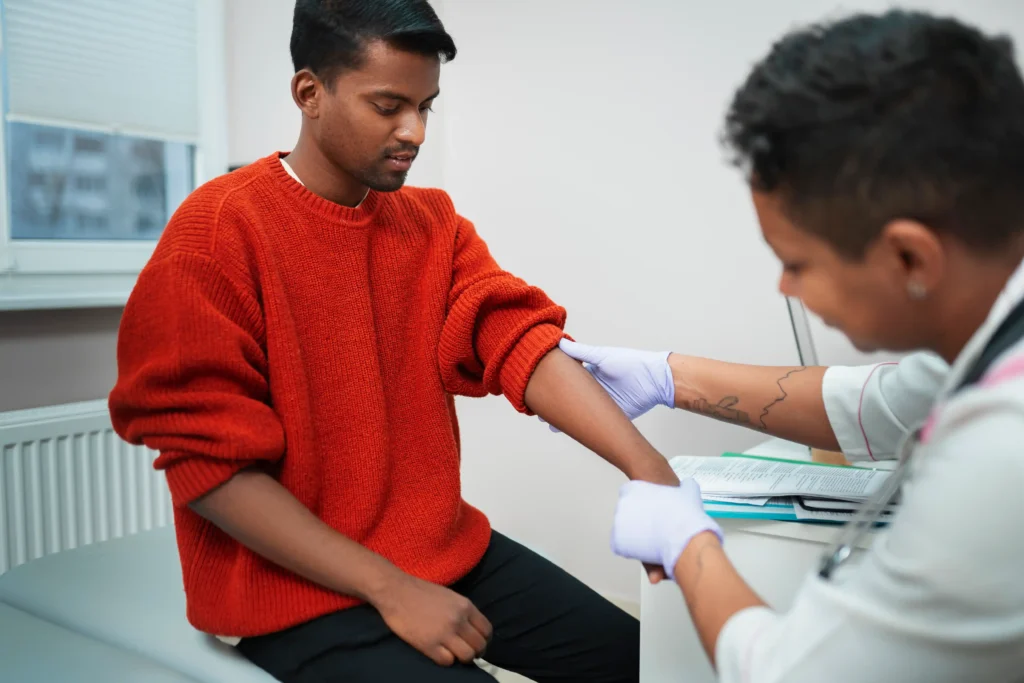
Good preparation makes a real difference to the accuracy of your results. Follow these steps before your appointment:
- Fast for 9–12 hours only if instructed or for a fasting glucose test; water is allowed. Most tests do not require fasting.
- Stay hydrated to make veins easier to find and avoid altered results.
- Avoid strenuous exercise for 24 hours prior, as it can raise creatinine and affect muscle enzymes like CK and AST.
- Avoid alcohol for at least 24 hours to prevent impacting GGT and triglyceride levels.
- List all medications and supplements (including OTC and herbal products), as some affect results.
- Continue morning medications unless advised otherwise, but ask about delaying levothyroxine or stopping iron and B12 supplements.
- Book a morning appointment for optimal cortisol measurement and easier fasting.
Understanding Your Blood Test Results
Results outside the reference range aren’t diagnoses. These ranges cover the middle 95% of healthy adults. This means 5% may naturally fall outside because of variation.
Context matters: age, sex, pregnancy, illness, medications, and time can all affect what’s considered “normal.” A slightly high CRP might show a recent cold instead of chronic inflammation. Also, low hemoglobin can be normal for some people.
If you get abnormal results, talk to a healthcare professional. They can help explain what they mean based on your symptoms and history.
When Should You See a Doctor Instead of Ordering a Blood Test?

A blood test aids diagnosis but shouldn’t replace clinical evaluation. Seek immediate medical help for excessive thirst, frequent urination, and unexplained weight loss, especially if under 40 or feeling unwell. This may indicate type 1 diabetes. Go to A&E if you have vomiting, abdominal pain, rapid breathing, or fruity breath.
Urgent symptoms needing immediate attention include chest pain, sudden breathing difficulty, severe abdominal pain, unexplained loss of consciousness, new severe headaches, or stroke signs (facial drooping, arm weakness, slurred speech).
Consult your GP for unexplained weight loss, night sweats, unusual bruising, or if you have a lump. Men of any age or post-menopausal women with previous iron deficiency should also see a GP for further investigation. Blood tests are best for monitoring and screening, not for acute issues.
Tips for Getting the Most Accurate Blood Test Results
Follow these practical steps to reduce the chance of a misleading result:
- Follow fasting rules strictly. Even a small snack can affect glucose and triglycerides.
- Check the timing of hormone tests before scheduling; testing at the wrong time can lead to unreliable results.
- Use a UKAS-accredited lab. This ensures the lab meets UK quality standards. Ask your provider whether their lab is UKAS-accredited.
- Disclose all supplements. High doses of biotin can skew hormone test results, often without users knowing.
- Avoid testing during illness. Infections can elevate markers like CRP and ferritin, which may not reflect your usual levels.
- Discuss results with a healthcare professional. A clinician can determine if further testing is needed, even with normal results.
Frequently Asked Questions
Can I have blood tests done without a GP referral in the UK?
Yes. Private blood testing at a pharmacy or private clinic does not require a GP referral. A healthcare professional will review eligibility during a short consultation before the test.
How long does it take to get blood test results from a pharmacy?
Private blood test results from accredited laboratories typically take between 24 and 72 hours. Some tests, including ferritin or CRP, may return within 24 hours. Complex panels may take slightly longer.
Is it worth getting a blood test if I feel fine and have no symptoms?
Yes, for some markers. Annual screening for cholesterol, blood sugar, and kidney function is worthwhile for adults over 40, particularly those with risk factors. Many conditions develop without symptoms until significant damage has occurred.
Do blood test results change if I am on medication?
Many medications affect blood test results. Statins influence cholesterol and liver enzymes. Metformin affects B12 absorption over time. Biotin supplements interfere with thyroid and hormone assays. Always disclose all medications and supplements before any blood test.
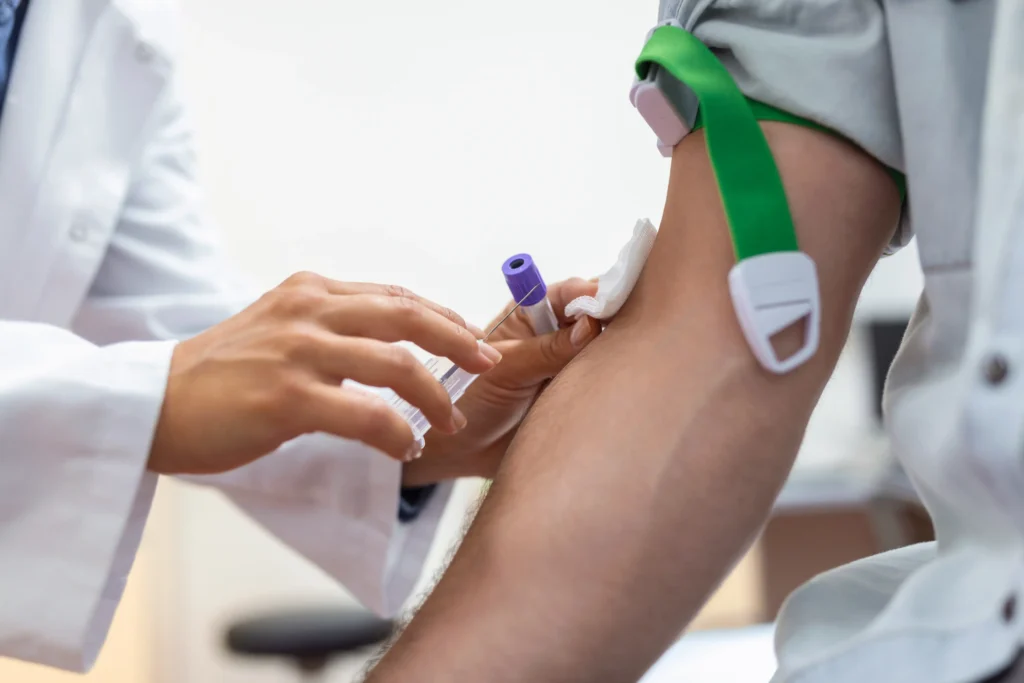
What is the difference between a finger prick blood test and a venous blood draw?
A finger prick takes a tiny blood sample. This sample can be used for a few tests, like cholesterol, HbA1c, and some lipid panels. A venous draw from the arm gathers more blood. It’s needed for comprehensive panels, hormone tests, and tests that need large sample volumes.
Conclusion
Choosing the right blood test is easy once you know what each test checks. Our independent prescriber, Diana Cheung, ensures professional oversight. Check your symptoms against the correct panel.
Get ready, then have a healthcare professional interpret your results. If unsure about which test to choose, consult a pharmacist. Our team at Orrell Park Pharmacy in Liverpool is here to help. We can guide you in choosing the right tests.
We also explain the results and can refer you if needed. Book a consultation or call 0151 525 1003. We’re open Monday to Friday and welcome your questions.
For allergy concerns, our Liverpool service offers IgE testing for 295 allergens. We interpret the results based on your symptom history.