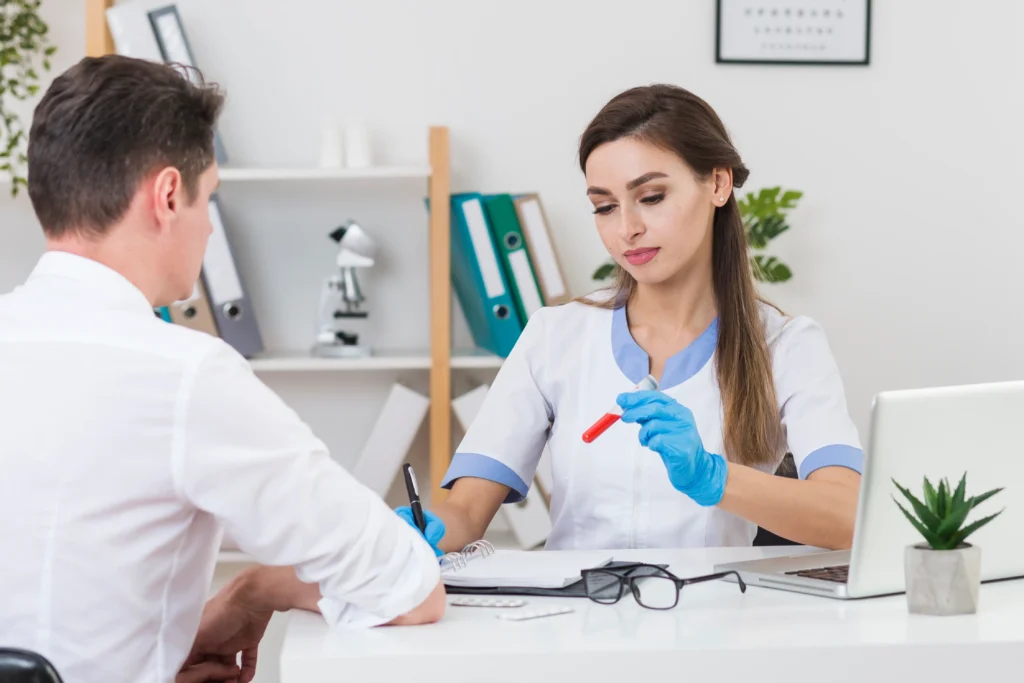
To get ready for a blood test, follow these steps: check if fasting is needed, stay hydrated, avoid alcohol and intense exercise for 24 hours, wear easy-access clothing, and bring your medication list. Most tests are quick, usually taking under five minutes. Proper preparation helps reduce repeat visits and ensures accurate results.
Keep reading for details on common blood tests. You’ll find what each test needs, tips for the day, and how to manage your appointment if you’re nervous about needles.
Why Preparing for a Blood Test Is Important
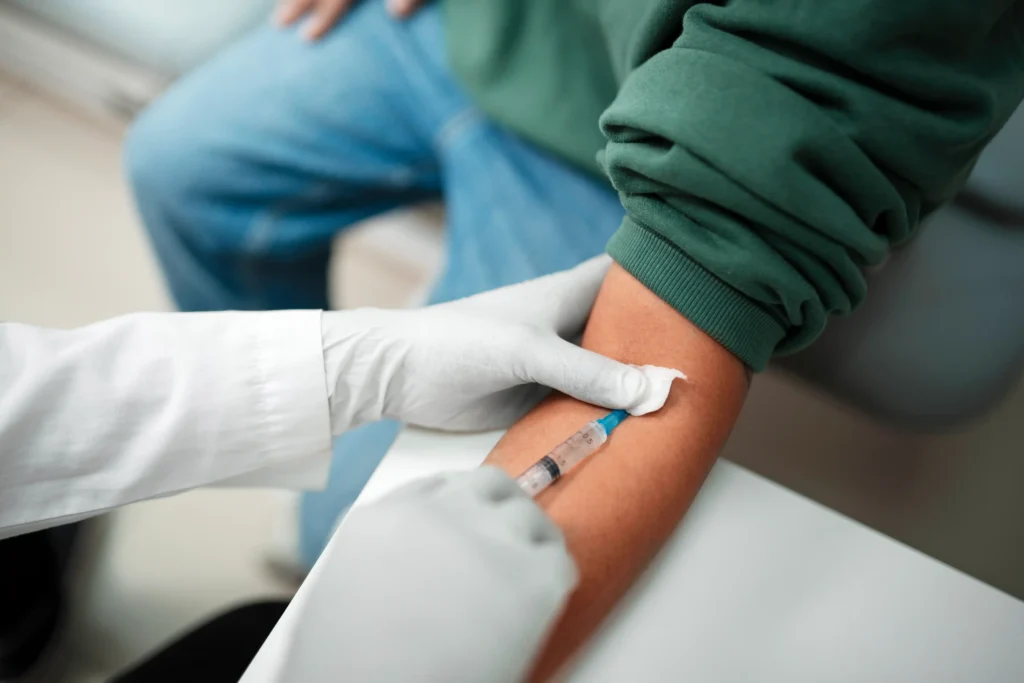
Poor preparation is the most common reason blood test results need to be repeated. Eating before a fasting test, drinking alcohol the night before, or not mentioning a supplement can really affect the results.
This makes it hard for a clinician to trust the findings and take action. That means another appointment, another wait, and another needle. None of which anyone wants.
Good preparation does not require much effort. Most of it happens the evening before your test. A little planning protects the accuracy of what gets measured and avoids the frustration of getting results that cannot be used.
It is also worth knowing that preparation is not identical for every test. What is fine for a full blood count can compromise a lipid panel entirely. Knowing which rules apply to your specific test is the first step.
Know Which Blood Test You Are Having
Before changing your diet, routine, or medication, check which blood test has been ordered and what it needs. The instructions for a cholesterol panel are different from those for a thyroid screen. A vitamin B12 test has different fasting guidance than a blood glucose test.
If you have booked through a private clinic or pharmacy, your confirmation should include preparation instructions. If they are not included or are unclear, call the clinic and ask before the day. Do not assume that all blood test services have the same requirements.
If you have been referred by your GP and the letter does not specify, your surgery or the requesting clinic can confirm. Getting this right before the morning of your appointment is far easier than turning up and discovering you prepared for the wrong test.
Pre-Blood Test Preparation Tips

These tips apply to almost every blood test. Follow them regardless of which specific panel you are having.
- Stay hydrated. Drink 2-3 glasses of water on test morning; it helps with blood draws and doesn’t affect results.
- Avoid alcohol 24 hours prior. It can alter liver enzymes and glucose levels; stopping earlier is better.
- Don’t smoke on test day. It increases white blood cells and carbon monoxide. This impacts oxygen levels and inflammation results.
- Skip heavy exercise the day before. It can falsely elevate certain markers; light walking is okay.
- Get enough sleep. Lack of sleep can impact hormone and metabolic tests.
- Schedule a morning appointment. This helps with fasting tests and provides consistent results.
Common Blood Tests and Their Specific Requirements
| Blood Test Type | Fasting Required? | Specific Preparation Instructions |
| Full Blood Count (FBC) | No | Drink water normally. No special preparation needed. |
| Lipid Panel (Cholesterol) | No | Fasting is not needed for a standard cholesterol test under current UK guidance. Occasionally a fasting repeat is requested if triglycerides come back very high. |
| Fasting Blood Glucose | Yes (8 to 10 hours) | Book for early morning. Do not eat breakfast before the test. |
| Thyroid Function Test (TFT) | No | Stop biotin (Vitamin B7) supplements 2 to 3 days before, as biotin interferes with the assay. If you take levothyroxine, ask whether to delay your dose until after the blood draw. |
| Iron Studies | No | Fasting is not required. Do not take iron supplements on the morning of the test, and mention any you take regularly. |
| Vitamin B12 and Folate | No | No fasting needed. Do not take B12 supplements on the morning of the test. |
| HbA1c | No | No fasting required. Eat and drink normally. |
| Liver Function Tests | No | Eat and drink normally. Avoid alcohol for at least 24 hours. Tell the tester about any medications and supplements. |
| Hormone Panels | Depends on hormone | Confirm timing with the clinic. Cortisol should be tested in the morning. Progesterone is most accurate at day 21 of the cycle. |
What to Do on the Day of Your Appointment

Arrive early to avoid stress, which can affect test results. If fasting and feeling lightheaded, inform the clinic.
Wear a short-sleeved top for easier access. If you’ve had lymph node removal or lymphoedema, indicate which arm to use.
Bring a list of all medications. Include prescriptions and supplements. They can affect results.
If you’ve fainted during blood tests, notify us when booking. We can perform the draw while you lie down. Consider bringing someone or not driving.
Inform the phlebotomist if you take blood thinners or have a bleeding disorder. Apply pressure to the site for about five minutes and ensure bleeding stops before leaving.
After the test, eat something light, especially if fasting. If you feel faint, sit for a few minutes and have a snack before driving.
What Happens During a Blood Test?
The procedure itself is faster than most patients expect. From sitting down to having the bandage applied typically takes three to five minutes.
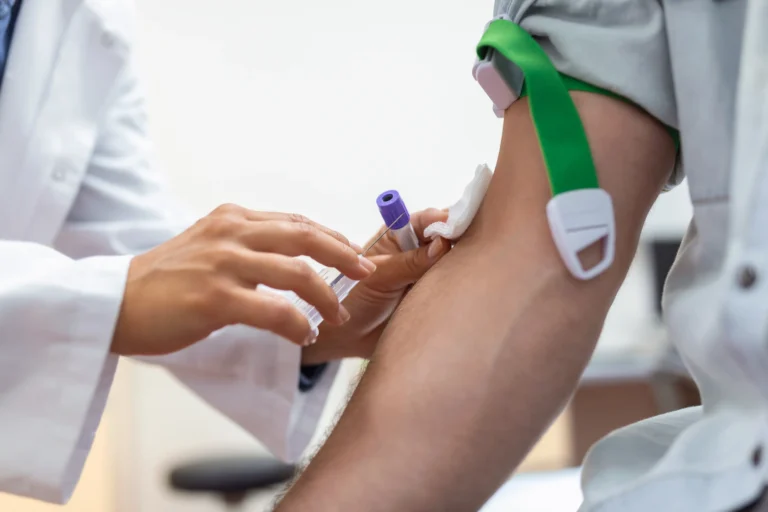
When you are called in, the phlebotomist or nurse will confirm your details and the tests ordered. They will then ask you to extend your arm and apply a light elastic tourniquet above the elbow to make the vein more visible.
The skin is cleaned with an alcohol wipe and a fine needle is inserted. Most patients describe the sensation as a brief sharp pinch followed by nothing.
Blood is drawn into one or more small collection vials, since different tests require different tubes. The needle is removed, a small cotton pad or gauze is pressed onto the site, and a bandage or plaster is applied. You will usually be asked to apply gentle pressure for a minute or two to prevent bruising.
That is the whole procedure. There is no particular recovery time needed. Most people go straight to work, back to school, or carry on with their day.
Common Mistakes to Avoid Before a Blood Test

Here are the common preparation errors that often affect results or make patients need to reschedule.
Eating before a fasting test.
Even a small snack, a biscuit or a glass of juice, can raise blood glucose and affect triglycerides enough to invalidate a fasting panel. If you forgot, tell the clinic. They would rather reschedule you than produce results they cannot trust.
Drinking coffee or tea during a fast.
Both affect blood glucose and liver markers. Black coffee may seem harmless, but it is not the same as water. Stick to plain water during any fasting period.
Not mentioning supplements.
Biotin is the main example. Fish oil impacts triglycerides. Iron supplements influence iron studies. High-dose vitamin C can interfere with various tests. Listing what you take gives the clinician context for interpreting borderline results correctly.
Stopping prescribed medication without being told to.
Never stop a prescribed medication before a blood test unless a clinician has specifically advised it. Most medications can be continued as usual. The prescriber needs to know which medications you take, so do not stop them without advice.
Intense exercise the morning of the test.
A tough workout on the morning of your appointment can raise CK, AST, and LDH levels. This spike may appear as liver or muscle damage on your results sheet.
Leaving it too late to prepare
The 24 to 48 hours before the test matter. If you recall drinking at a social event the night before, consider rescheduling. This way, you avoid results that might mislead you.
When Will I Get My Blood Test Results?
Turnaround time for blood test results varies by service type and tests ordered.
NHS blood tests from your GP usually take 2-3 working days for routine panels, but some tests may take 1-2 weeks. Check the NHS app or patient portal if you haven’t heard back.
Private blood tests generally return results in 1-5 working days, with many routine tests ready in 24-48 hours. Some clinics offer same-day results for specific markers.
Factors affecting turnaround include test type, lab workload, specialist reviews, and sample processing.
If results are delayed, contact the clinic. Delays don’t always indicate issues. Lab workload, postal delays, and holidays can affect timing.
Clinics will reach out if urgent attention is needed, but don’t rely on silence as reassurance. If you haven’t received results in the expected timeframe, follow up. It’s important to stay informed.
Frequently Asked Questions
Can I brush my teeth before a fasting blood test?
Yes. Brushing your teeth does not affect blood test results. Don’t swallow toothpaste. Also, avoid mouthwash with alcohol or sugar while fasting.
Can I take my usual morning medication before a blood test?
In most cases, yes. Continue prescribed medication unless a clinician has specifically told you otherwise. Bring a full medication list to the appointment so the results can be interpreted in context.
Will a blood test hurt more if I am dehydrated?
Dehydration makes veins narrower and deeper under the skin. This makes them harder to find. This often results in more than one attempt. Drinking two to three glasses of water before the appointment makes the draw easier.
Can I have a blood test if I am on my period?
Yes. Most blood tests are unaffected by menstruation. Iron levels and hemoglobin can be a bit lower during or right after a heavy period. If you are specifically testing iron or hemoglobin, mention this to the phlebotomist.
Is it safe to fast before a blood test if I have diabetes?
Fasting with diabetes requires individual advice. Before your appointment, contact the clinic. Talk about how to manage your medication and blood sugar while fasting. Safety takes priority over completing the test on a particular day.
Conclusion
Preparing properly for a blood test is simple once you know what each test requires. Stay hydrated. Avoid alcohol and hard exercise. Check if fasting is needed for your panel. Wear comfortable clothing. Also, bring your list of medications. Do all that, and the appointment usually takes under five minutes.
If you’re ready to book, our team at Orrell Park Pharmacy in Liverpool can help. We’ll identify the right tests for your symptoms. You can also book a same-day or walk-in appointment. Plus, we’ll discuss your results with a healthcare professional. Contact us on 0151 525 1003 or visit us on Moss Lane.