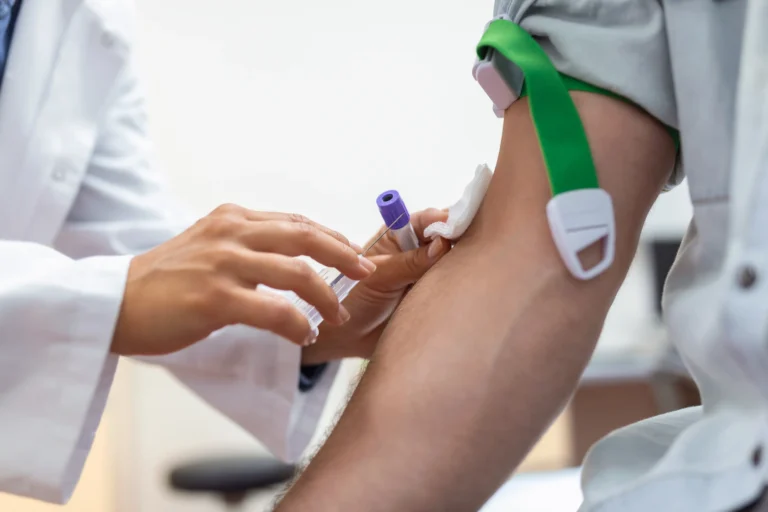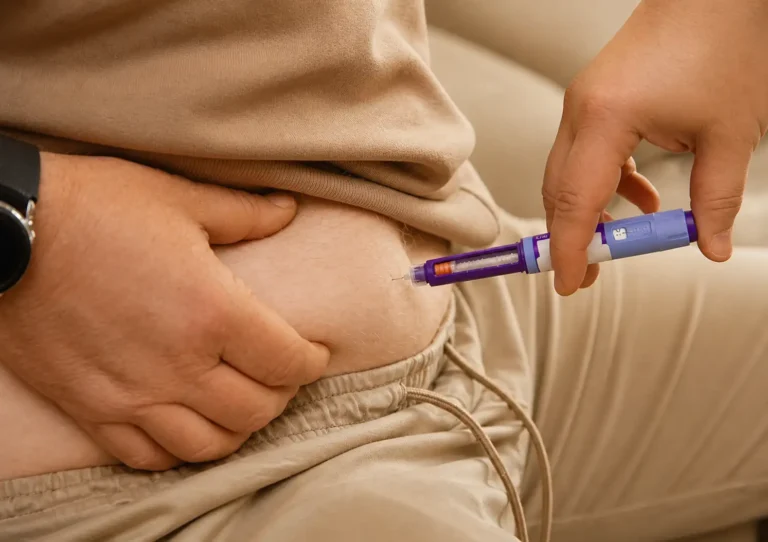
Studies suggest that up to 20–70% of international travellers experience illness abroad, many of which are vaccine-preventable.
Most travel vaccines provide protection ranging from around one year to several decades or longer, depending on the vaccine type. Some, like Yellow Fever, offer lifelong immunity after a single dose. Others, like the flu jab, need renewing every year.
Knowing where your vaccines fall helps you plan smarter, stay protected, and avoid being turned away at borders. This guide breaks down every major travel vaccine by how long it lasts, when boosters are needed, and what affects your protection over time.
Why Does Travel Vaccine Duration Matters?
Getting vaccinated once does not always mean you are protected forever. Some vaccines lose effectiveness over time. Others require a valid certificate to enter a country, regardless of whether you are medically immune.
There are also practical consequences to getting this wrong. Travellers have been refused entry at airports because their Yellow Fever certificate was out of date.
Others have travelled assuming childhood vaccines still protect them, only to find those vaccines had long since worn off.
If you travel frequently, have a complicated health history, or are planning a longer trip, understanding vaccine duration is not optional. It is part of responsible travel planning.
How Long Do Travel Vaccines Last? (Quick Overview)
Travel vaccines broadly fall into four categories based on how long they protect you.
- Lifetime vaccines include Yellow Fever, Hepatitis B, MMR, and in most cases, Rabies (with boosters).
- Ten-year vaccines include Tetanus/Diphtheria/Polio (Td/IPV).
- Three to five year vaccines include Typhoid, Meningitis ACWY, and Tick-Borne Encephalitis.
- Annual vaccines include the seasonal flu jab.
Cholera and Japanese Encephalitis fall somewhere in between, lasting one to two years depending on the schedule. Hepatitis A is a special case: a single dose gives short-term cover, but a booster extends that to around 25 years or more.
Travel Vaccines That Last a Lifetime
Yellow Fever Vaccine
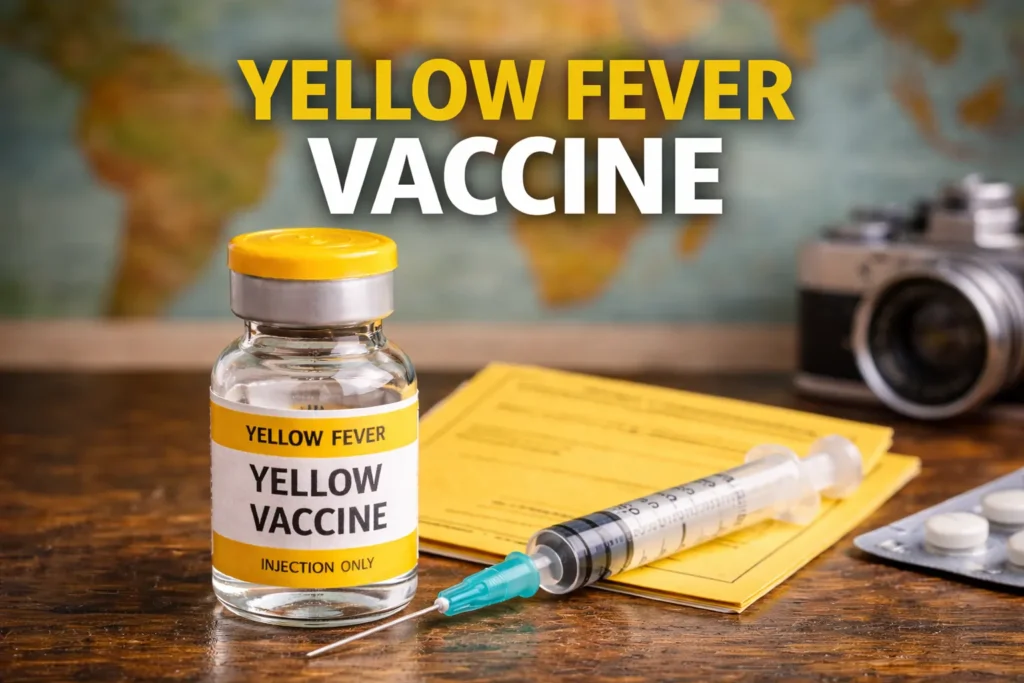
A single Yellow Fever vaccine provides long-term protection for most individuals, but suitability and duration should always be assessed by a qualified clinician.
The World Health Organisation updated its guidance in 2016, moving away from the ten-year booster recommendation for the general population. For most travellers, one dose is now considered sufficient for life.
That said, many countries still require a valid International Certificate of Vaccination or Prophylaxis (ICVP), which is officially valid for life under current WHO rules. Some countries, particularly in Africa and South America, may still ask for proof of recent vaccination.
As of 2016, the WHO mandates that an International Certificate of Vaccination or Prophylaxis (ICVP) for Yellow Fever is valid for the life of the traveler.
You cannot be legally required to show a ‘recent’ booster for entry; once your certificate is 10 days old, it never expires, even if the card itself has an ‘expiry’ box printed on it.
Hepatitis B Vaccine
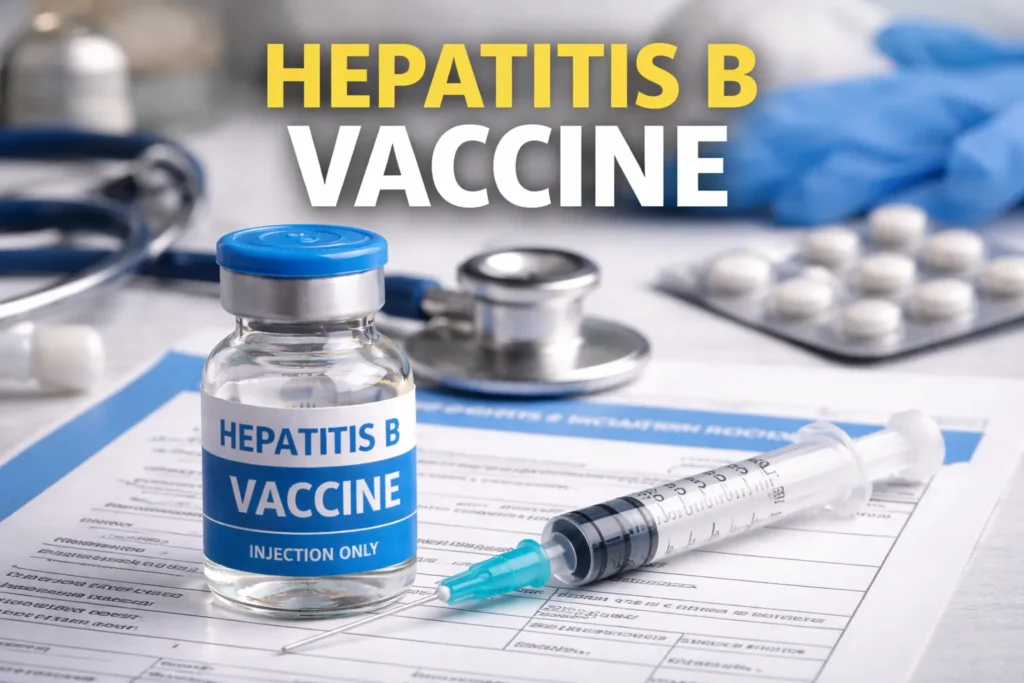
The standard Hepatitis B course is three doses, usually given over six months. For most healthy adults, this provides long-term and possibly lifelong protection.
Booster doses are rarely needed unless you are a healthcare worker or have an underlying condition affecting your immune system. Blood tests can confirm whether your antibody levels are still sufficient if you are unsure.
MMR Vaccine (Measles, Mumps & Rubella)
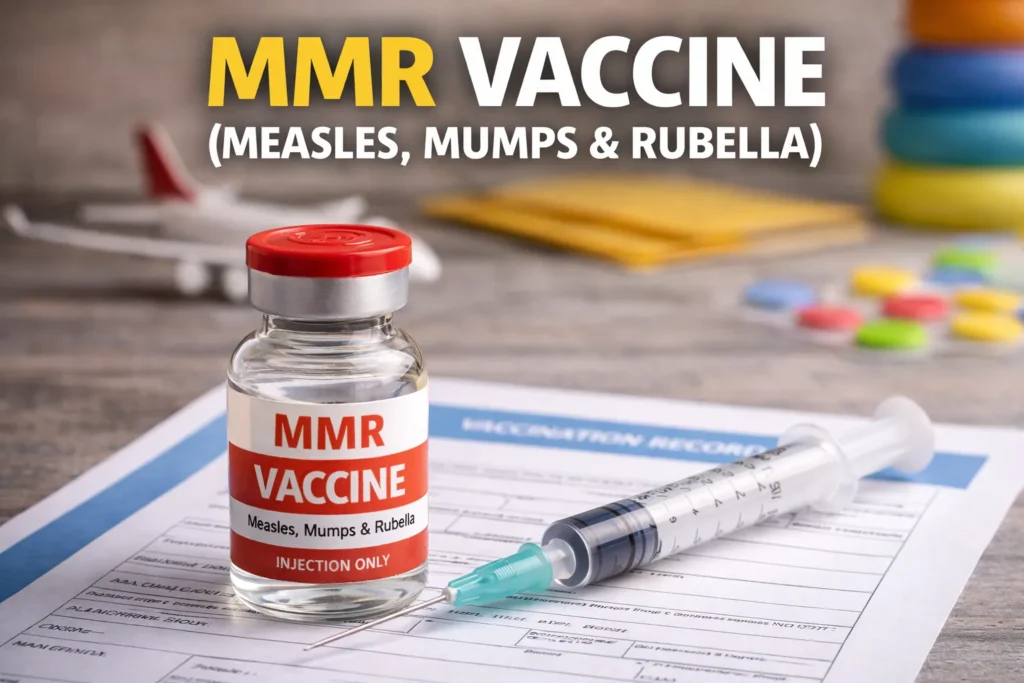
Two doses of the MMR vaccine, given in childhood, are considered lifelong protection. If you only received one dose, or have no record of vaccination, a catch-up dose before travel is recommended.
Measles outbreaks have been reported in parts of Europe, Southeast Asia, and Africa, so this is worth checking.
Polio Booster
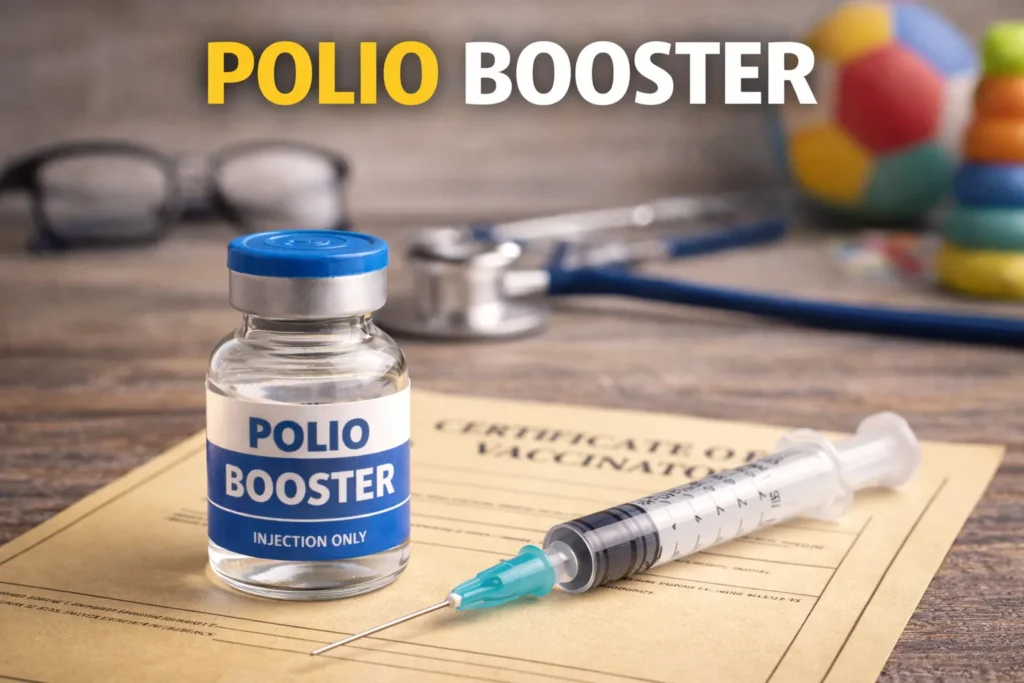
Most UK adults received the full polio course as children. If you spend more than four weeks in a country where polio is still circulating (such as Pakistan, Afghanistan, or certain African nations), you may be legally required to show proof of a polio booster.
It must be taken within the last 12 months to be allowed to exit the country. The booster counts as a top-up, not a restart of the full course.
Rabies (Pre-exposure)
Modern pre-exposure schedules have been simplified. For most healthy travelers, the WHO now recognizes a 2-dose schedule (given on days 0 and 7) as sufficient protection.
This primes your immune system so that if you are bitten, you only need two quick follow-up doses and no Rabies Immunoglobulin (RIG), which is often unavailable in high-risk areas.
It does not prevent infection on its own, but it reduces urgency after a bite and simplifies post-exposure treatment. Those at continued risk, such as frequent travellers to remote areas, wildlife workers, or veterinary professionals, may need periodic antibody checks and boosters.
Travel Vaccines That Last 10 Years
Tetanus / Diphtheria / Polio (Td/IPV)
In the UK, adults are advised to have a Td/IPV booster every ten years if travelling to high-risk areas. Most people complete their primary course during childhood.
However, the protection does decline over time, and a booster is strongly recommended for travellers heading to destinations with limited medical facilities.
Some Yellow Fever Entry Requirements
Although the WHO considers one Yellow Fever dose to be lifelong, individual countries set their own entry rules. Some still stipulate that the certificate must have been issued within ten years.
Always check the official entry requirements for your specific destination, not just the general WHO guidance, as these can differ.
HPV Vaccine
HPV vaccination is primarily a public health measure rather than a travel-specific one. However, for travellers who may have missed the school programme, catching up before travel to higher-risk regions is worth discussing with a clinician.
Current evidence suggests long-term, possibly lifelong, protection from the full course.
NOTE: Not all vaccines are suitable for every individual. A full clinical assessment, including medical history and contraindications, is required before vaccination.
Travel Vaccines That Last 3–5 Years
Typhoid Vaccine
The injectable Typhoid vaccine provides protection for around three years. The oral version (Ty21a) lasts approximately three years too, though some guidelines quote up to five.
If you travel regularly to South Asia, East Africa, or Central America, you will likely need a repeat dose before each trip or every three years.
Meningitis ACWY
A single dose of the MenACWY vaccine typically lasts around five years for adults. Booster timing can vary based on age and individual risk factors.
Travellers to sub-Saharan Africa during the meningitis belt season, or those attending the Hajj pilgrimage in Saudi Arabia, are specifically required to have the vaccine. Saudi Arabia mandates proof of vaccination issued within the last three to five years.
Tick-Borne Encephalitis (TBE)
The standard TBE course is three doses, offering protection for around three years. Boosters are then required every three to five years, depending on age. TBE is relevant for travellers to forested areas in Central and Eastern Europe, Scandinavia, and parts of Asia.
Rabies Booster Schedule
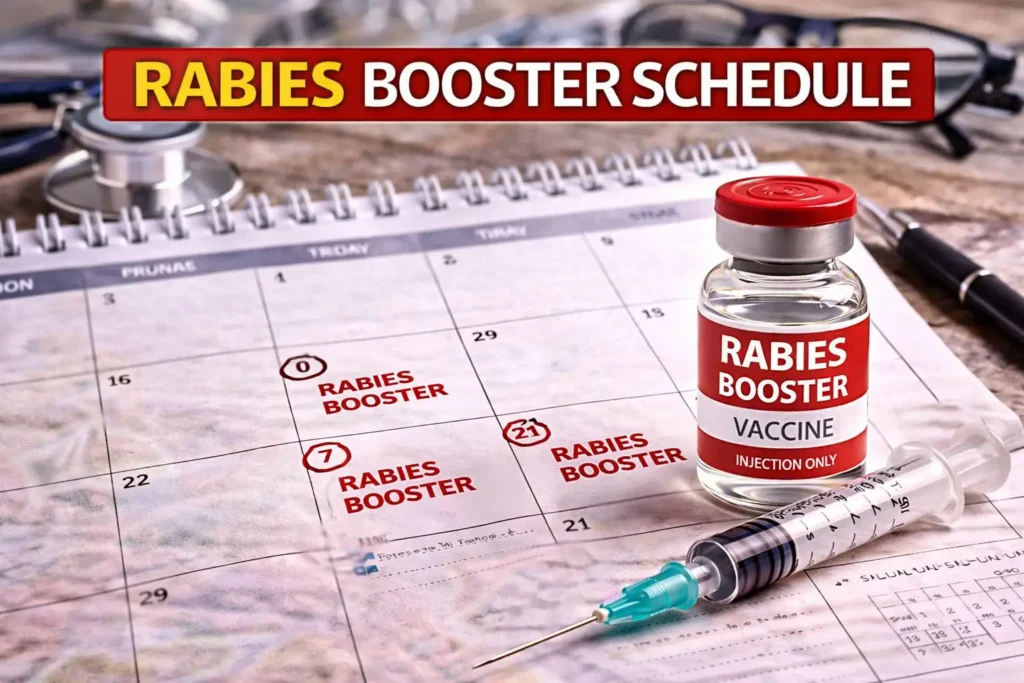
Once you have completed a pre-exposure Rabies course, antibody levels can guide when a booster is needed. For frequent travellers or those at regular risk, antibody testing every one to two years is advisable.
Those at lower risk may need testing every three to five years to confirm levels remain adequate.
Travel Vaccines That Last 1–2 Years
Japanese Encephalitis
Japanese Encephalitis (JE) vaccination involves two doses given 28 days apart. While your initial two doses provide protection for one year, a single booster at the 12-month mark is now believed to provide extended protection for up to 10 years in healthy adults.
Thus significantly reducing the need for frequent re-vaccination. It’s essential for long-stay travellers or those spending extended time in rural areas of Southeast Asia.
Cholera Vaccine
The oral Cholera vaccine (Dukoral) consists of two doses taken one to six weeks apart. For adults, it provides protection for up to two years, depending on individual response and schedule. Children aged two to six need three doses and a booster after six months.
Cholera vaccination is not widely recommended for most package holiday travellers, but it is relevant for those doing aid work, visiting displaced communities, or travelling in high-risk conditions.
Hepatitis A (Single Dose, Short-Term)
A single Hepatitis A dose provides protection for around one year. A booster given six to twelve months later extends this to approximately 25 years or more.
If you received only one dose several years ago without a booster, your protection may have lapsed. Hepatitis A is one of the most common vaccine-preventable diseases affecting travellers.
Travel Vaccines You Need Every Year
Influenza Vaccine
The flu jab needs renewing every year because influenza strains change constantly. The vaccine formulation is updated annually to match the strains expected to circulate that season.
For most travellers, flu is not a headline concern, but it is a common cause of illness abroad and can derail a trip. Those travelling during peak flu season in the Southern Hemisphere or visiting crowded settings should prioritise this.
Travel Vaccine Booster Schedule: Who Needs One?
Boosters are not just a tick-box exercise. They are especially important for certain groups.
High-risk travellers include those visiting remote areas with limited healthcare access, or countries with active outbreaks. Long-stay travellers spending months in a destination have longer exposure windows than short-term tourists.
Frequent travellers who visit multiple destinations each year may need more regular review than someone who travels once a decade.
Re-exposure risk also matters. Someone working with animals in a rabies-endemic country needs a very different approach from someone spending a week in a hotel resort.
Factors That Affect How Long Travel Vaccines Last
Not everyone’s protection fades at the same rate. Several factors influence how long a vaccine works for you specifically.
Age plays a role: older adults often mount a weaker immune response to vaccines. Immune system health matters too. Those on immunosuppressant medication, living with HIV, or undergoing cancer treatment may need additional doses or earlier boosters.
Vaccine type is also relevant. Live attenuated vaccines, like Yellow Fever, tend to produce stronger and longer-lasting immunity than inactivated ones.
Frequency of travel can also affect boosting decisions. Some clinicians argue that repeated natural exposure in low-risk settings may contribute to maintaining immunity, though this is not a substitute for formal vaccination.
If you missed a scheduled booster, don’t restart the whole course. The ‘Prime-Boost’ principle means your immune system remembers previous doses even years later. In almost all cases, you can simply pick up where you left off.
Travel Vaccine Duration Comparison Chart
| Vaccine | Duration | Booster Needed | Notes |
| Yellow Fever | Lifetime | No (usually) | Certificate required for some countries |
| Hepatitis B | Lifetime | Rarely | Check antibody levels if immunocompromised |
| MMR | Lifetime | No | Two doses required for full cover |
| Polio (adult booster) | 10 years | Yes | Only if 10+ years since last dose |
| Tetanus/Diphtheria/Polio | 10 years | Yes | Every 10 years for high-risk travel |
| Typhoid (injectable) | 3 years | Yes | Repeat before each trip to high-risk areas |
| Meningitis ACWY | 5 years | Yes | Required for Hajj pilgrims |
| Tick-Borne Encephalitis | 3 years | Yes | Booster every 3–5 years |
| Rabies (pre-exposure) | Long-term | Periodic antibody check | Risk-dependent schedule |
| Japanese Encephalitis | 1–2 years | Yes (12 months) | Long-stay travellers especially |
| Cholera | 2 years | Yes | Less common; specific risk groups |
| Hepatitis A (1 dose) | 1 year | Yes (booster extends to 25 years) | Get the booster |
| Influenza | 1 year | Annual | Strain changes each season |
Do Travel Vaccines Expire?
Immunity and certificate validity are not the same thing. You may still be biologically immune to Yellow Fever, for example, but if your ICVP certificate is not in the format accepted at the border, you could still face problems.
Some countries have strict documentation rules. They want to see the original paper certificate, issued by an approved vaccination centre, with a valid stamp. Digital records or NHS app screenshots may not be accepted.
Always carry your original Yellow Fever certificate if visiting an endemic region or a country with entry requirements.
How to Check If Your Travel Vaccines Are Still Valid?
Start with your NHS vaccination record. You can view some records through the NHS app. Your GP practice holds a full immunisation history and can print a summary. If you had vaccines privately, the travel clinic that administered them should have a record on file.
A travel clinic review is the most reliable way to assess your current status. A trained clinician can check which vaccines you have had, identify any that have lapsed, and give you a tailored plan for your upcoming trip.
This is particularly useful if you have not travelled in several years or are visiting a destination with multiple vaccination requirements.
Do not rely on memory alone. Vaccine records from childhood are easy to lose track of, and assumptions about what you had as a child may not match what is actually on your record.
FAQs
Can I travel if my Yellow Fever vaccine was given more than 10 years ago?
Yes, in most cases. The WHO now considers a single dose lifelong. However, a small number of countries still require a certificate issued within ten years. Check destination-specific entry rules before you fly, as these can differ from general WHO guidance.
Do travel vaccines from a previous trip still count?
Some will, some will not. It depends entirely on which vaccine was given and how long ago. A Hepatitis B course from five years ago is likely still protective. A single Typhoid jab from four years ago probably is not. Book a travel health review rather than guessing.
Are childhood vaccines enough for international travel?
Not always. The polio, tetanus, and MMR vaccines given as a child may still offer protection, but some will have faded. Others, like Typhoid or Hepatitis A, are not routinely given in childhood and would need to be added for certain destinations.
How far in advance should I get travel vaccinations?
At least four to six weeks before travel is the standard advice. Some vaccines need multiple doses spread over several weeks. Others, like the Rabies pre-exposure course, take a month to complete. Starting early gives your immune system time to respond properly.
Is there a way to check antibody levels instead of getting a booster?
Yes. For vaccines like Hepatitis B and Rabies, a blood test can measure your antibody levels. If they are above the protective threshold, a booster may not be needed. This is particularly useful for people who travel frequently and want to avoid unnecessary doses.
Do travel vaccines protect me immediately?
Most do not. The immune system typically takes one to two weeks to build a response after vaccination. Some vaccines, like Hepatitis A, offer earlier protection, but two weeks before departure is the minimum most clinicians recommend. For longer trips or higher-risk destinations, four to six weeks is safer.
What happens if I miss a dose in a multi-dose vaccine course?
You do not usually need to start again from scratch. Most vaccine courses can be resumed from where you left off, within a reasonable timeframe. The specifics depend on the vaccine. A travel clinician can advise based on the exact gap and your destination.
Conclusion
Travel vaccine protection varies widely. Some vaccines, like Yellow Fever, last a lifetime. Others, like the flu jab, need renewing every year. The middle ground covers vaccines like Typhoid, Meningitis ACWY, and Hepatitis A, all of which require boosters at different intervals depending on your risk.
The most common mistake travellers make is assuming their vaccines are still valid without checking. Records get lost, doses get forgotten, and destinations change their entry requirements. A quick review with a qualified travel health clinician takes the guesswork out of it entirely.If you are planning a trip and want to check your vaccination status, our Travel Clinic team is here to help. We review your existing records, assess your destination-specific risks, and make sure you are protected before you fly. Book a travel health consultation today.