Most trips go wrong before you even board the plane. Not because of flight delays or lost luggage, but because of health preparation that never happened.
Common travel health mistakes are far more preventable than people realise, yet they send thousands of UK travellers home early every year.
Quick Answer
The most common travel health mistakes include booking vaccinations too late, skipping destination-specific medical advice, drinking unsafe water, and travelling without insurance.
Many of these risks can be reduced by starting travel health preparation early and seeking advice from a qualified professional.
Start your travel health preparation at least 6 to 8 weeks before departure and speak to a qualified travel health professional.
Why Do Travelers Often Make Health Mistakes?
The honest answer is that health preparation feels less urgent than booking flights or sorting accommodation. It gets pushed to the bottom of the list.
Overconfidence is another factor. Travellers who have visited Southeast Asia or East Africa before often assume they know the risks. Disease patterns shift, outbreaks occur, and vaccine protection fades. What was true three years ago may not apply now.
Last-minute planning is probably the biggest driver. Some vaccine courses take six weeks to complete. If you walk into a pharmacy ten days before departure, your options narrow significantly.
10 Common Travel Health Mistakes and How to Avoid Them
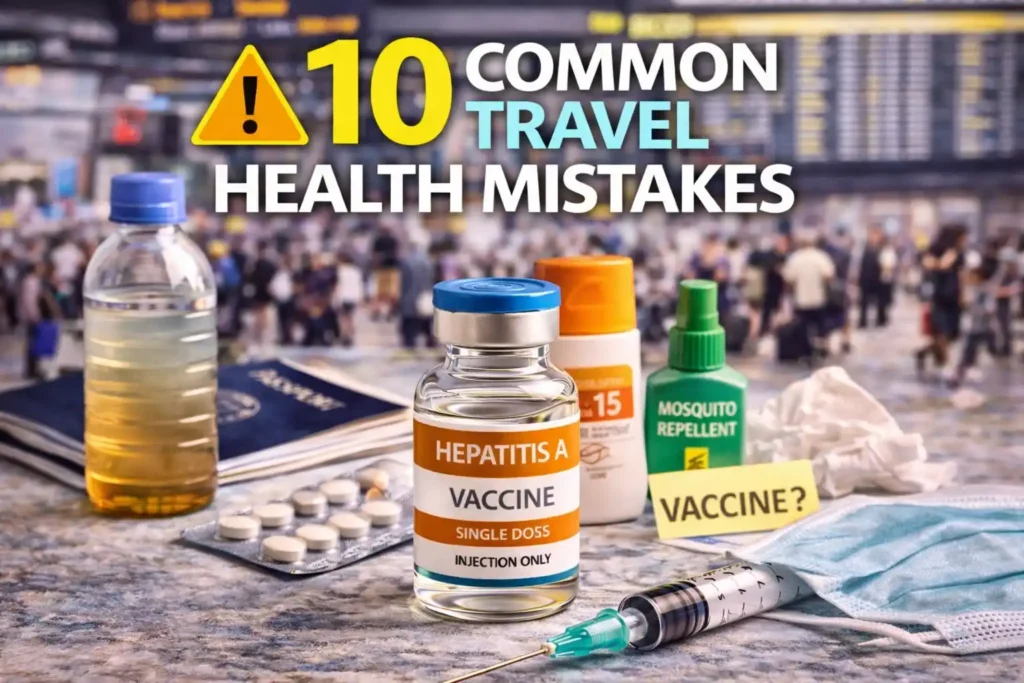
1. Leaving Travel Health Preparation Too Late
This one tops the list because it affects everything else. Vaccine immunity is not instant. Hepatitis B typically requires three doses over several months, although accelerated schedules may be available in some cases.
For most healthy travelers, a pre-exposure Rabies course can now be completed in just two doses (given on days 0 and 7). This WHO-approved ‘short course‘ makes it easier and more cost-effective to get protected before you fly.
Book your travel clinic appointment 6 to 8 weeks before you fly. That timeline gives you room for multi-dose courses, any side effects, and any adjustments if your itinerary changes.
If your trip is coming up faster than that, do not skip the appointment. A pharmacist can still advise on what is feasible, offer accelerated schedules where available, and cover other preventive measures.
2. Skipping Travel Vaccinations
Some travellers decide to skip vaccines because they feel well, they are only going for two weeks, or they assume their destination is safe. None of those reasons hold up clinically.
Hepatitis A is present across much of South and Southeast Asia, Africa, and Central America. Yellow fever is endemic in parts of sub-Saharan Africa and South America, and proof of vaccination is a legal entry requirement for certain countries. Typhoid spreads via the fecal-oral route.
It includes contaminated food and water as well as direct person-to-person contact. This often happens if an infected person who may not even show symptoms or someone who prepares food without proper handwashing.
Vaccination decisions should be based on your specific itinerary, health history, and up-to-date outbreak data, not on general assumptions. That is exactly what a travel clinic appointment provides.
3. Not Researching Destination Health Risks
Every destination carries its own combination of risks. Malaria is present in parts of rural Kenya but not in Nairobi. Altitude sickness affects travellers who ascend too quickly in Nepal or Peru, regardless of age or fitness. Schistosomiasis spreads through fresh water contact in parts of sub-Saharan Africa.
Climate matters too. Extreme heat, high humidity, and changes in UV intensity all affect your body in ways you may not anticipate, especially in the first few days.
Check NHS Fit for Travel and the FCDO travel health pages before you go. Better still, bring your full itinerary to a travel health consultation so the advice you receive is actually relevant to where you are going.
4. Packing Medications Incorrectly
This mistake sounds minor until your checked luggage goes missing and your prescription medication is in it. All essential medication belongs in your hand luggage, in original packaging, with a copy of your prescription.
Some controlled drugs, including certain painkillers, sleep aids, and ADHD medications, require written permission to carry into specific countries. The rules vary significantly. Getting this wrong at customs is not a small inconvenience.
Be aware that common UK over-the-counter medicines, such as Codeine or decongestants (Pseudoephedrine), are strictly controlled or even illegal in countries like Japan, Greece, and the UAE. Always check the destination’s embassy website if you are carrying any medication.
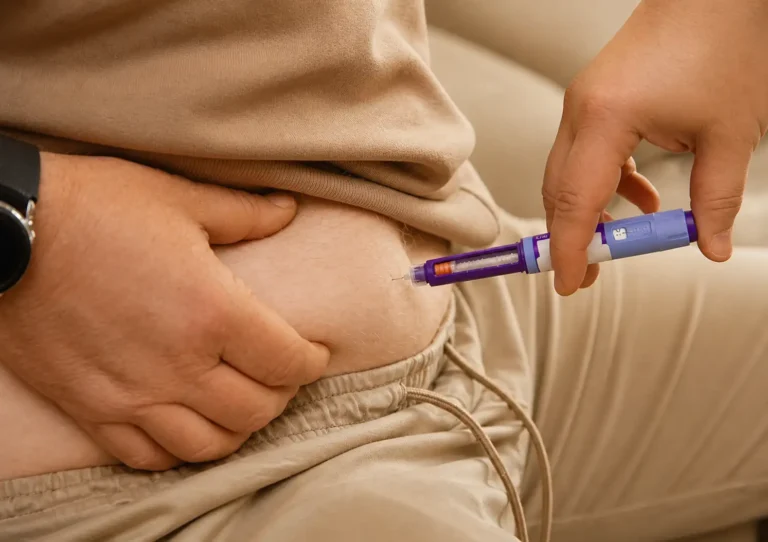
Carry a brief letter from your GP or pharmacist explaining your condition and treatment if you use injectable medication, carry syringes, or have a condition like diabetes or epilepsy. Most surgeries will write one without much fuss if you ask with enough notice.
5. Drinking Unsafe Water
Tap water safety is inconsistent across large parts of Africa, South Asia, Southeast Asia, and parts of South America and Eastern Europe. Local populations may have partial immunity or different exposure patterns, whereas travellers may be more susceptible to infection. For a UK traveller, exposure can cause significant illness.
It is generally advisable to use sealed bottled or treated water in higher-risk regions. Be cautious with ice, which is frequently made from tap water even in hotels that serve otherwise bottled drinks. Raw salads, fruit washed in local water, and seafood rinsed before cooking all carry similar risks.
Pack water purification tablets or a good-quality filtered bottle as a backup. In remote areas, you may not always have access to sealed water.
6. Ignoring Food Safety While Travelling
Food hygiene standards vary enormously between countries and even between restaurants within the same city. Traveller’s diarrhoea affects an estimated 20 to 50% of travellers to high-risk regions. It is almost always caused by contaminated food or water.
The general rule is: cook it, boil it, peel it, or leave it. Street food eaten hot and freshly cooked from a busy stall is often safer than food that has sat at room temperature in a buffet. Raw shellfish and undercooked meat are the higher-risk options to avoid.
Good hand hygiene matters too .While hand sanitiser is a great backup, it does not kill certain stomach bugs like Norovirus or parasites like Giardia.
Whenever possible, prioritize washing with soap and clean water, as the physical action of scrubbing is the only way to remove these ‘tough’ germs.
7. Skipping Travel Insurance
NHS coverage does not apply abroad. Emergency treatment in the USA, Australia, or even some European countries outside the EHIC/GHIC scheme can cost tens of thousands of pounds. Air ambulance repatriation can run higher still.
Comprehensive travel insurance covering medical emergencies is non-negotiable. Read the policy before you buy. Cheaper policies often exclude pre-existing conditions, certain activities like water sports or skiing, or high-cost destinations like North America.
If you travel frequently, an annual multi-trip policy usually works out cheaper than buying cover for each trip individually.
8. Not Packing a Travel Health Kit
A travel health kit does not need to be large. What it needs is to be relevant to your destination and easy to access when you need it.
The basics include rehydration sachets, antidiarrhoeal medication, antihistamines, pain relief, plasters, and insect repellent containing at least 50% DEET for high-risk areas.
Depending on where you are going, you may also need antimalarial tablets, altitude sickness medication, or a course of standby antibiotics.
Your travel clinic can advise on what is appropriate for your specific trip. Some items require a prescription, so it is worth sorting this during your consultation rather than scrambling for it afterwards.
9. Ignoring Sun and Climate Exposure
Heat exhaustion develops faster than most travellers expect, particularly in humid climates where sweat evaporates less efficiently. Stay hydrated, avoid direct sun between 11am and 3pm, and wear light, breathable clothing.
UV exposure is significantly stronger near the equator and at altitude. Even on overcast days, UV radiation at high altitude can cause sunburn faster than you would experience at sea level in the UK.
Cold exposure is the opposite concern for travellers heading into mountainous regions or winter climates. Hypothermia can set in quickly, particularly when the body is already fatigued from travel or altitude adjustment.
10. Not Visiting a Travel Health Clinic
A GP appointment is useful for many things, but travel health is a specialist area. General appointments rarely include up-to-date outbreak data, country-specific vaccination protocols, or the time needed to review a detailed itinerary.
A travel health consultation covers your destination, your health history, your vaccination record, and any specific risk factors relevant to your trip. It is not a box-ticking exercise. It is an actual clinical assessment of your individual risk.
If you are pregnant, travelling with young children, immunocompromised, or visiting friends and family in a high-risk region, this professional input matters even more.
Travel Health Checklist Before Your Trip
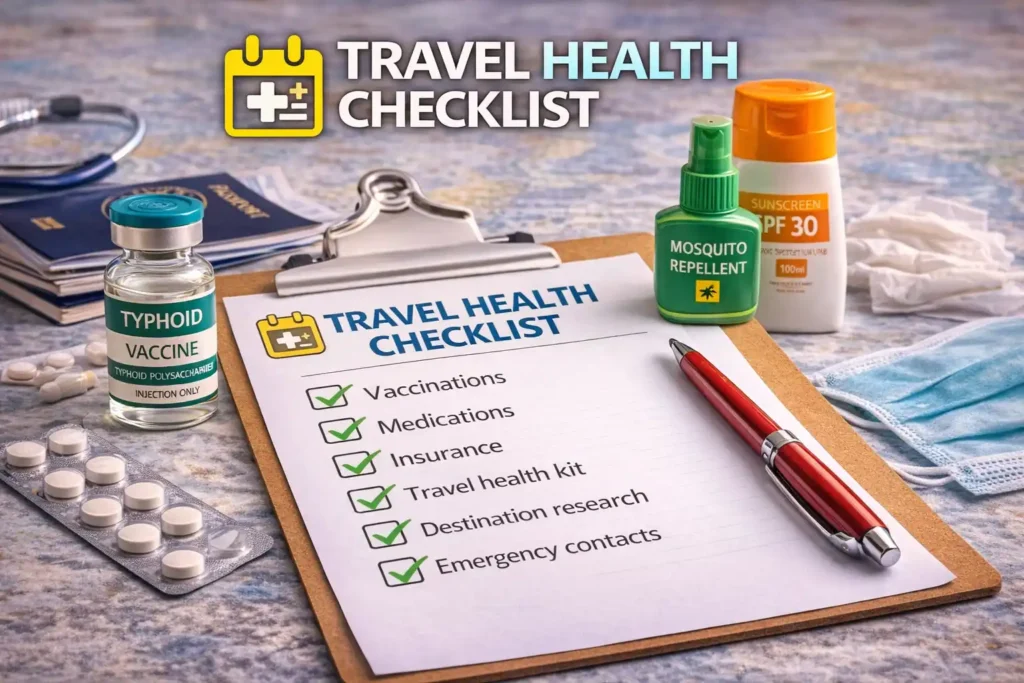
Work through this before you pack:
- Vaccinations: Confirmed and completed within the required timeframe for your destination
- Medications: In hand luggage, in original packaging, with prescription copies
- Insurance: Purchased, policy read, pre-existing conditions declared
- Travel health kit: Packed and relevant to your destination
- Destination research: Health risks, food and water safety, outbreak alerts reviewed
- Emergency contacts: Local hospital details, your insurer’s emergency number, and GP contact saved
Common Travel Illnesses You Can Prevent
Traveller’s diarrhoea is the most common travel illness worldwide. Safe food and water habits reduce the risk substantially. Rehydration sachets help manage it quickly if it does occur.
Respiratory infections, including influenza, circulate freely in airports, on planes, and in crowded tourist areas. A flu vaccination before travel is a sensible step, particularly for older travellers or those with underlying conditions.
Heat-related illness ranges from mild dehydration to severe heat stroke. Many cases are preventable with appropriate hydration and sun protection.
Insect-borne diseases, including malaria, dengue fever, and chikungunya, are active across large parts of sub-Saharan Africa, South and Southeast Asia, and Latin America. Repellent, appropriate clothing, and antimalarial medication all reduce exposure.
Altitude sickness affects travellers who ascend quickly without adequate acclimatisation. Medication like acetazolamide can assist in some cases, but requires a prescription and early planning.
This is another reason to book your travel health appointment well in advance.
When to Visit a Travel Health Clinic?
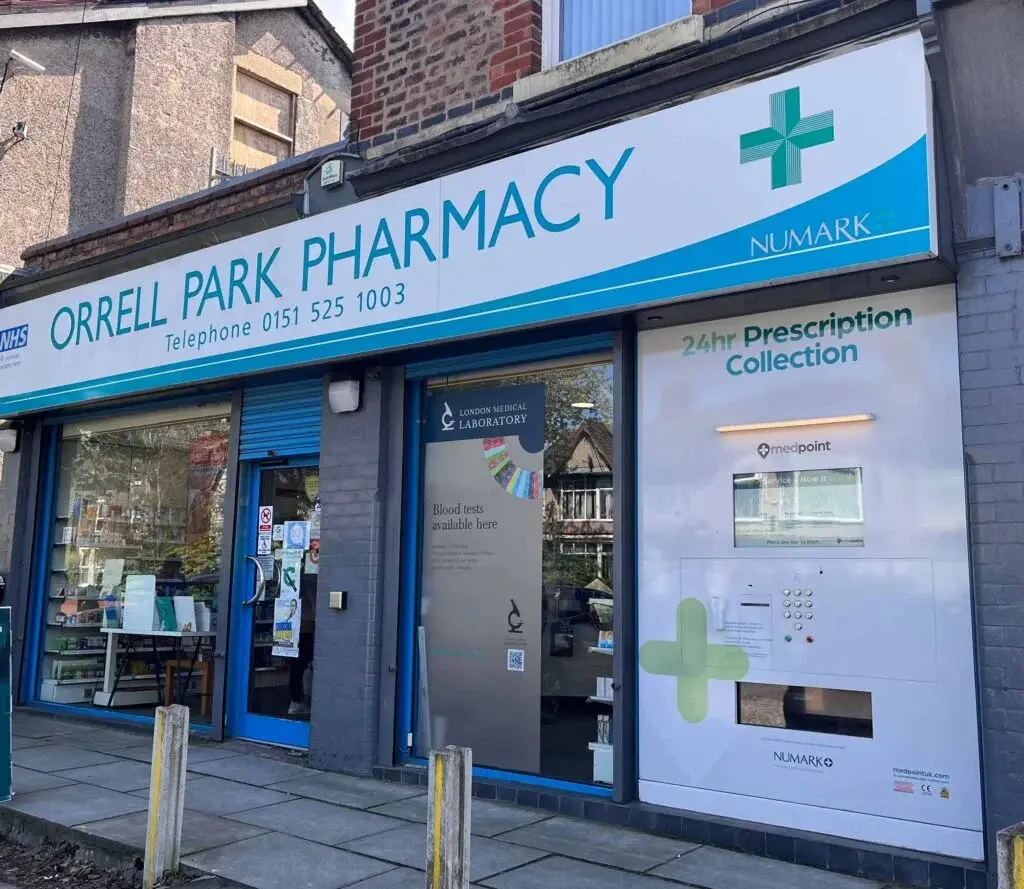
A travel health appointment is worth making if any of the following apply:
First-time international travellers often underestimate destination-specific risks. A consultation fills that gap.
Families with children need age-appropriate vaccination schedules and advice on managing illness abroad in younger travellers.
High-risk destinations such as sub-Saharan Africa, South Asia, the Amazon basin, and parts of Central America carry a wider range of vaccine-preventable and vector-borne disease risks.
Long-term travel or overseas volunteering increases cumulative exposure significantly. The health preparation required goes well beyond a standard holiday checklist.
Tips to Stay Healthy While Travelling
- Wash hands before eating and after using public facilities
- Use insect repellent consistently, not just in the evenings
- Keep accommodation windows closed at dusk if you are in a malaria or dengue-risk area
- Carry oral rehydration salts and use them early if you develop diarrhoea
- Avoid swimming in fresh water in regions where schistosomiasis is present
- Do not ignore symptoms like fever, rash, or persistent gut issues after returning home
FAQs
Do I need a travel health appointment if I am only going to Europe?
It depends on where in Europe and your personal health history. Western Europe generally carries lower risk for most travellers. However, some Eastern European and Balkan destinations have higher rates of tick-borne encephalitis, and hepatitis A vaccination is still recommended for certain areas. Meningococcal vaccine is advisable for travellers attending large gatherings like festivals or pilgrimages. A quick consultation is still worthwhile if you are unsure.
Can I get travel vaccinations on the NHS?
A small number of travel vaccines are available free on the NHS, including typhoid, hepatitis A, and cholera in certain circumstances. Most travel vaccines, including yellow fever, rabies, and meningitis ACWY for travel purposes, are provided privately. A travel clinic can clarify what is available on the NHS for your specific trip and what you would need to pay for.
What happens if I miss a dose in a multi-dose vaccine course?
Missing a dose does not always mean starting again. For most courses, there is some flexibility in timing, and a pharmacist can advise on whether the schedule can be adjusted. The important thing is to flag this at your appointment rather than assuming the course is void and giving up on it entirely.
Should I take antimalarial tablets for every trip to Africa?
No. Malaria risk varies significantly by country and by region within a country. Urban areas in several African countries carry little or no malaria risk, while rural and forested regions carry high risk. Your travel clinic will assess your exact itinerary rather than applying a blanket recommendation.
Can travel health preparation affect my travel insurance?
Yes, in some cases. Many insurance policies contain a ‘reasonable care’ clause. If you knowingly skip recommended malaria tablets or vaccines and then fall ill, your insurer may argue you failed to take ‘reasonable precautions,’ which could lead to a rejected medical claim. Keeping a record of your travel health consultation and following the advice given is a reasonable safeguard.
I am travelling for business with a very short itinerary. Is a travel clinic still necessary?
Yes. Business itineraries are often more compressed than leisure travel, which means less time to acclimatise, seek treatment if needed, or recover. The disease risks are the same regardless of why you are in a country. Many travel clinics offer efficient consultations that can fit around a busy schedule.
How long do travel vaccinations stay effective?
It varies by vaccine. Hepatitis A protection can last up to 25 years with a booster. Yellow fever vaccination is now considered valid for life by most countries. Typhoid requires a booster every three years. A travel health pharmacist can review your vaccination history and advise on what needs refreshing before your trip.
Conclusion
Good travel health preparation is not complicated, but it does take time. Most of the mistakes in this guide share the same root cause: starting too late and underestimating the risks of a specific destination.
Book your travel clinic appointment 6 to 8 weeks before you fly. Get the vaccinations your itinerary requires. Pack sensibly, take your health kit seriously, and make sure your insurance actually covers you.
Ready to prepare properly for your trip? Book a travel clinic consultation today and get personalised, up-to-date advice from a qualified travel health professional. A single appointment can make a real difference to your health, your safety, and the quality of your trip.