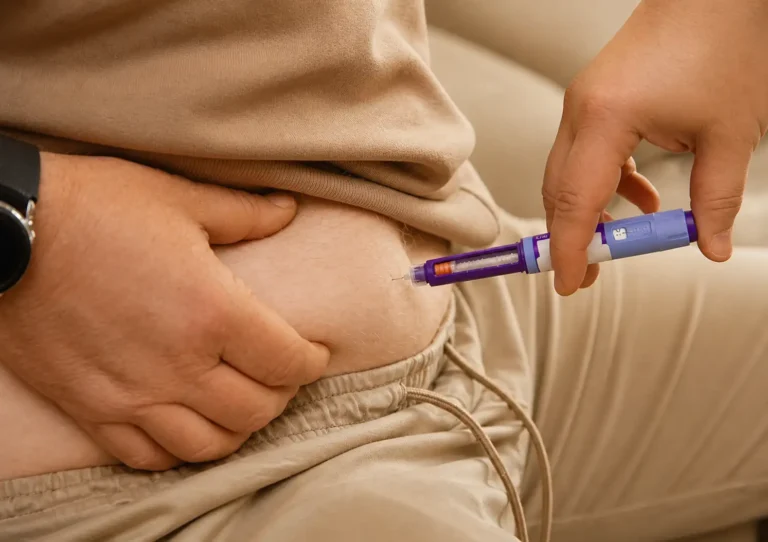

The 2.5 mg dose of Mounjaro is a starting dose, not a weight loss dose. It is designed to help your body adjust to the medication before moving up the titration schedule. Most people see little to no change on the scale in these first four weeks, and that is completely expected.
Read on to understand what is actually happening and what to watch for instead.
Is It Normal Not to Lose Weight on Mounjaro 2.5 mg?
Yes, it is normal. Not losing weight at this stage does not mean Mounjaro is not working for you.
The 2.5 mg dose was never intended to drive weight loss. In the SURMOUNT-1 clinical trial, the most significant results came at the 10 mg and 15 mg doses, where participants lost an average of 19.5% to 20.9% of their body weight over 72 weeks.
Weight loss with tirzepatide is progressive and dose-dependent. The early weeks are about tolerability, not the scale.
What is the Purpose of the Mounjaro 2.5 mg Starting Dose?
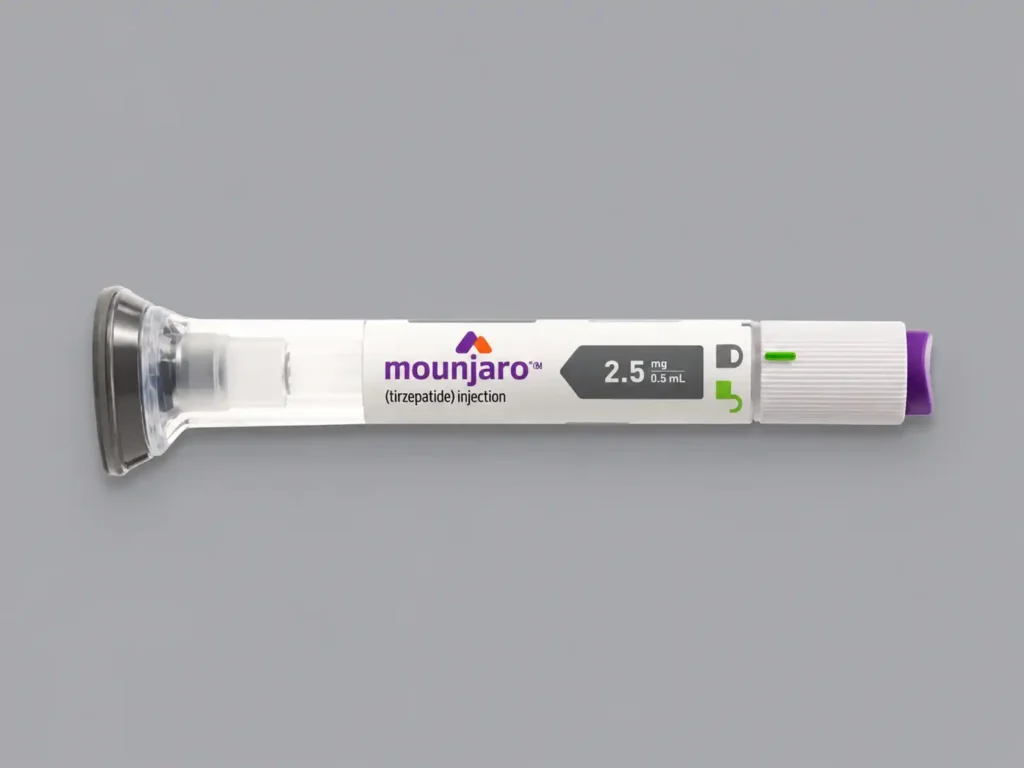
Why Doctors Start With 2.5 mg
Starting at a low dose is standard practice. Mounjaro’s most common side effects include nausea, vomiting, diarrhoea, and stomach discomfort.
Beginning at 2.5 mg allows your digestive system to adapt gradually. Patients who rush through this phase often experience side effects severe enough to stop treatment. The four weeks on 2.5 mg set the foundation your body needs to respond well at higher doses.
How Mounjaro Works in the Body

Mounjaro activates two gut hormone receptors: GIP (glucose-dependent insulinotropic polypeptide) and GLP-1 (glucagon-like peptide-1). Both are released naturally when you eat.
By targeting both receptors, Mounjaro reduces appetite, slows how quickly food leaves your stomach, and helps regulate blood sugar. This dual mechanism is why it tends to produce greater weight loss than older GLP-1 medications like semaglutide.
At 2.5 mg, these effects are present but mild. The appetite suppression that patients describe as “food noise going quiet” becomes much more pronounced at higher doses.
Why You May Not Be Losing Weight Yet on Mounjaro 2.5 mg

Your Body Is Still Adjusting
Starting any new medication involves a period of adjustment. Your appetite hormones, insulin response, and gut motility are all recalibrating.
This takes time. Four weeks is a short window, and the scale is rarely the best measure of what is happening internally right now.
You Have Not Reached a Higher Treatment Dose Yet
Weight loss with Mounjaro builds dose by dose. At 2.5 mg, the effect on appetite is subtle for most people.
The standard UK titration moves patients from 2.5 mg to 5 mg after four weeks, then upward every four weeks. Most people report noticeable weight loss from 5 mg to 7.5 mg onwards.
Calorie Intake Is Still Too High
Mounjaro reduces appetite, but it does not eliminate the need to manage what you eat. Hidden calories from cooking oils, sauces, and snacking are a common issue.
Sugary drinks are particularly problematic. They add hundreds of calories without triggering the fullness signals that solid food does.
Physical Activity Levels Are Low
You do not need an intense exercise plan to support Mounjaro. Even 20 to 30 minutes of daily walking makes a real difference.
Regular movement improves insulin sensitivity and supports muscle retention. Both matter as your body starts losing fat at higher doses.
Water Retention Can Hide Fat Loss
Your body holds onto water for many reasons: changes in diet, sodium intake, hormonal shifts, and starting a new medication.
It is possible to lose fat while the scale stays flat or goes up slightly. This is very common in the first few weeks and is not a sign treatment is failing.
Medical Conditions May Affect Results
Certain conditions make weight loss harder regardless of the medication used. Hypothyroidism, polycystic ovary syndrome (PCOS), and insulin resistance are among the most common.
Some prescription medications can also interfere with weight loss or interact with Mounjaro. If you think an underlying condition is slowing your progress, speak to your prescriber or pharmacist.
Signs Mounjaro Is Working Even If the Scale Has Not Changed

Progress is not always visible on the scale. Look for these signs in the first few weeks.
Reduced appetite. You are eating less without feeling hungry or deprived. This is a direct effect of GIP and GLP-1 receptor activation.
Feeling fuller for longer. Your meals are keeping you satisfied for longer. Slower gastric emptying is doing its job.
Fewer food cravings. You are thinking about food less often. Cravings for high-sugar or high-fat foods tend to ease as the medication builds in your system.
Improved portion control. You are naturally stopping before your plate is empty. This is one of the clearest early indicators that Mounjaro is working.
Better blood sugar readings. If you have type 2 diabetes or prediabetes, improved fasting glucose is a meaningful sign of treatment response before weight changes appear.
How Much Weight Loss Should You Expect on Mounjaro 2.5 mg?
Be realistic about this stage. Some people lose a small amount on 2.5 mg, others see no change at all.
Clinical data does not show significant weight loss at the starting dose. Real-world UK prescribing consistently shows that meaningful loss builds gradually over several months and multiple dose increases.
Your starting weight, diet, activity level, and any underlying health conditions all affect how quickly you progress.
Common Mistakes That Can Slow Weight Loss on Mounjaro

Skipping meals then overeating
This disrupts appetite regulation and reduces the benefit of the medication. Regular, balanced meals work better with Mounjaro.
Drinking high-calorie beverages
Alcohol, fizzy drinks, flavoured coffees, and fruit juices add significant calories without triggering the satiety signals Mounjaro is trying to strengthen.
Not eating enough protein
Protein helps preserve muscle mass and keeps you full for longer. Include a source at every meal.
Poor sleep habits
Sleep deprivation increases ghrelin, the hunger hormone, and directly counteracts what Mounjaro is doing.
Expecting immediate results
People who go on to lose significant weight on Mounjaro rarely saw big changes in their first month. Consistency over months matters more.
Not tracking progress beyond the scale
Take body measurements. Note how your clothes fit. Log changes in appetite and energy week to week.
When Will My Mounjaro Dose Increase?
In the UK, the standard protocol keeps patients on each dose for four weeks before moving up. From 2.5 mg, you would typically move to 5 mg after four weeks, then to 7.5 mg, 10 mg, 12.5 mg, and 15 mg.
Your prescriber may extend the time on a dose if side effects are a concern. Any change to your titration schedule should always be discussed with your prescriber or pharmacist, not done on your own.
Most people see the biggest results in the 10 mg to 15 mg range. The highest licensed dose for weight management in the UK is 15 mg.
FAQs
Can Mounjaro 2.5 mg cause weight gain?
It is unlikely to cause actual fat gain. Water retention in the early weeks can push the scale up temporarily, but this usually settles within a few weeks.
Should I stop Mounjaro if I see no weight loss after four weeks on 2.5 mg?
No. Four weeks on the starting dose is not enough time to assess Mounjaro’s effect on your weight. Speak to your prescriber before making any changes to your treatment.
Will I lose weight faster on Mounjaro if I eat very little?
Severely restricting calories is not advisable. It leads to muscle loss and rebound eating. A moderate calorie deficit with adequate protein is the better approach.
Does Mounjaro work differently for people with type 2 diabetes?
People with type 2 diabetes may notice blood sugar improvements before weight changes appear. Weight loss still occurs but may follow a slightly different timeline.
Is it possible that Mounjaro simply will not work for me?
Non-response does occur in a small number of patients. But you cannot draw that conclusion at the 2.5 mg stage. Most prescribers would not consider a patient a non-responder until they have been on a therapeutic dose for a sustained period.
Final Thoughts: Do Not Panic If You Are Not Losing Weight on Mounjaro 2.5 mg
Seeing no change on the scale during your first four weeks is normal. The 2.5 mg phase is about safety and preparation, not results. Keep your habits consistent, be honest about your diet, and allow your body time to adjust. The real progress tends to come as the dose increases. If you have any concerns about how your treatment is going, speak to your pharmacist or prescriber. They are there to help you get the most out of this medication.