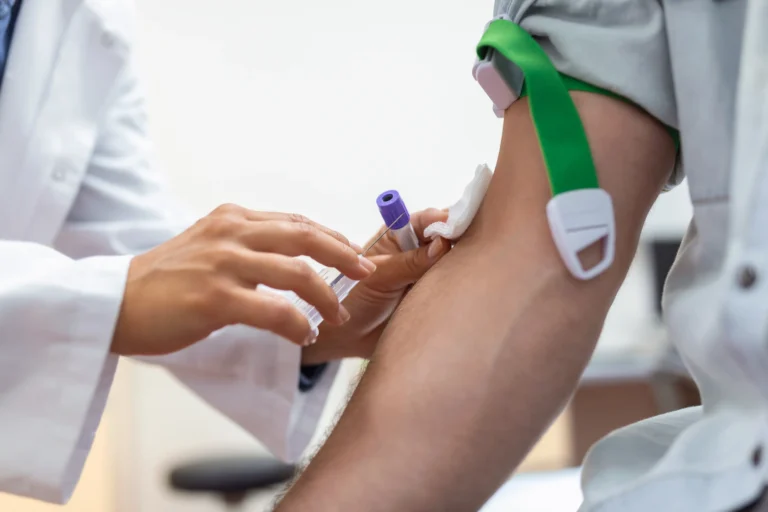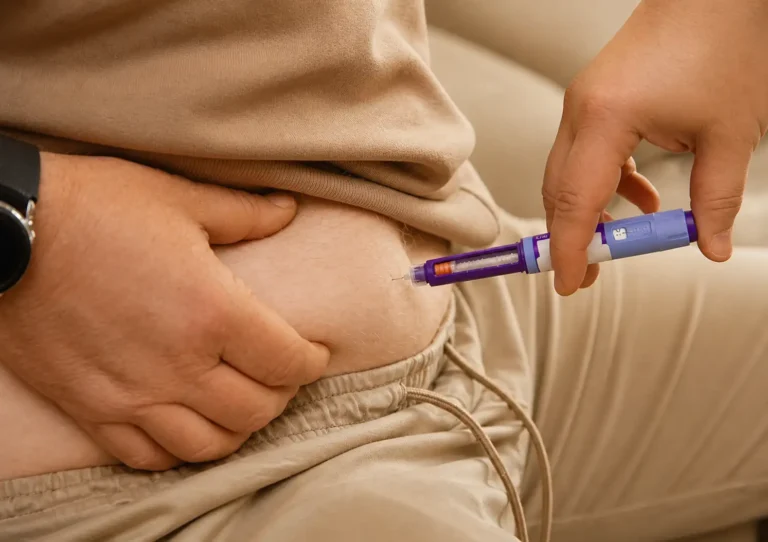

Weight loss injections like Wegovy, Mounjaro, and Saxenda are generally safe for most adults (when prescribed by a qualified healthcare professional). They work by reducing appetite and slowing digestion.
Clinical trials show they can lead to significant, sustained weight loss. Side effects do exist, mostly affecting the gut, and serious risks are rare but possible. They are not suitable for everyone, and long-term safety data is still growing.
Read on to find out exactly how these injections work, who they are right for, and what the real risks look like before you decide.
How Weight Loss Injections Work?
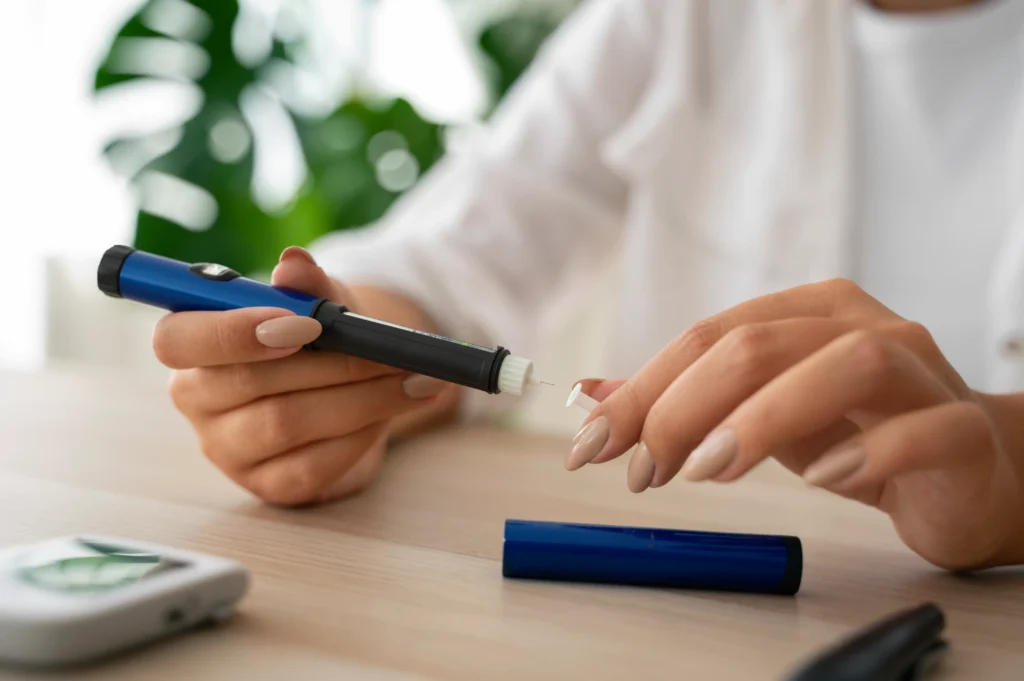
Weight loss injections are prescription medicines that act on hormones involved in appetite regulation and digestion. They mimic natural hormones that signal fullness, helping reduce appetite and calorie intake.
Most of these injections work on a hormone called GLP-1 (glucagon-like peptide-1). GLP-1 slows how quickly the stomach empties and helps increase feelings of fullness, which can reduce appetite. Some newer options also target a second hormone called GIP, which adds to the effect.
The result is a steady reduction in appetite over time. Combined with dietary changes and increased physical activity, clinical trials have shown average weight loss ranging from around 5% to over 20%, depending on the medicine used, dose, and adherence to treatment.
Types of Weight Loss Injections

Most weight loss injections available in the UK belong to a class called GLP-1 receptor agonists. These were first developed to treat type 2 diabetes, but are now licensed for weight management at higher doses. Each one requires a prescription and is not available over the counter.
Mounjaro is the exception. It targets two hormones rather than one, making it a dual GIP/GLP-1 receptor agonist.
Semaglutide (Wegovy and Ozempic)
Semaglutide is given as a weekly injection. Wegovy is the version licensed specifically for weight loss in the UK. Ozempic contains the same active ingredient but is only licensed for type 2 diabetes.
Clinical trials found that adults taking Wegovy lost an average of 15% of their body weight over 68 weeks. It is available through some NHS pathways and privately through registered clinics and pharmacies.
Tirzepatide (Mounjaro)
Mounjaro works on two hormones: GLP-1 and GIP. This dual action tends to produce stronger results than single-hormone options. Trial data showed an average weight loss of around 20 to 22% of body weight over 72 weeks.
It is given as a weekly injection. Mounjaro is now licensed in the UK for weight management and is available privately and through some NHS services.
Liraglutide (Saxenda)
Saxenda was the first GLP-1 injection licensed for weight loss in the UK. It is taken daily rather than weekly. It produces more modest results than Wegovy or Mounjaro, with average weight loss of around 8% in trials.
It remains a valid option for people who cannot tolerate semaglutide or tirzepatide.
Benefits of Weight Loss Injections

The benefits go well beyond the number on the scales. Sustained weight loss of 10% or more can lower blood pressure, improve blood sugar control, and reduce strain on the joints.
For people with type 2 diabetes or pre-diabetes, these injections can significantly improve insulin sensitivity. Some trial data for semaglutide also showed a reduction in the risk of heart attack and stroke in people with existing cardiovascular disease.
Many patients also report improvements in energy, sleep, and mental health. For people who have struggled with weight for years, that shift can significantly improve quality of life.
Risks and Side Effects of Weight Loss Injections

Common Side Effects
The most frequently reported side effects are digestive. These include:
- Nausea
- Vomiting
- Diarrhoea
- Constipation
- Bloating or stomach discomfort
These tend to be worse in the first few weeks after starting or after a dose increase. They usually settle as your body adjusts. Starting on a low dose and increasing slowly is the standard approach to reduce this.
Less Common but Serious Risks
A small number of people experience more serious side effects. These include:
Pancreatitis: Inflammation of the pancreas has been reported. Symptoms include severe stomach pain that spreads to the back. These medicines are generally used cautiously, or avoided, in people with a history of pancreatitis.
Gallstones: Rapid weight loss of any kind can increase the risk of gallstones. These injections are no different. Your prescriber should discuss this with you.
Thyroid concerns: In animal studies, GLP-1 medicines caused thyroid tumours. This has not been confirmed in humans, but they are not recommended for people with a personal or family history of medullary thyroid carcinoma or a condition called MEN2.
Low blood sugar: This risk is mainly relevant for people also taking insulin or certain diabetes medicines. Used alone for weight loss, hypoglycaemia is uncommon.
Mental health: Some reports have suggested links to mood changes or suicidal ideation. Regulatory bodies including the MHRA are monitoring this closely. The current evidence does not confirm a direct link, but it is something to discuss with your prescriber.
Are Weight Loss Injections Safe for Kidneys?
In most people, these injections do not harm the kidneys. Some trial data actually suggests a protective effect in people with diabetic kidney disease. Severe vomiting or diarrhoea caused by the medicine can lead to dehydration, which affects kidney function. Anyone with existing kidney problems should be assessed carefully before starting.
Are Weight Loss Injections Safe Long-Term?
Long-term data beyond several years is still limited. Wegovy has been available since around 2021, and Mounjaro more recently. The two-year trial data is reassuring. Current long-term data is generally reassuring. But patients and prescribers alike should treat this as an evolving picture, as understanding of long-term effects continues to evolve.
Who Should and Should Not Use Weight Loss Injections?
Who Are They Suitable For?
In the UK, weight loss injections are generally suitable for adults who:
- Have a BMI of 30 or above (obese)
- Have a BMI of 27 or above with a weight-related health condition such as type 2 diabetes, high blood pressure, or sleep apnoea
They are meant to be used alongside diet changes and increased physical activity, not instead of them.
Who Should Not Use Them?
Weight loss injections are not suitable for everyone. They should generally be avoided by people who:
- Are pregnant or breastfeeding
- Have a personal or family history of medullary thyroid carcinoma or MEN2
- Have a history of pancreatitis
- Are under 18
- Have certain eating disorders
Your prescriber will review your full medical history before prescribing. It is important to be honest about any conditions or medicines you are taking.
Where to Get Safe Weight Loss Injections in the UK?

Always get weight loss injections through a registered UK prescriber. This means a doctor, pharmacist independent prescriber, or nurse prescriber who is registered with the relevant regulatory body.
Avoid purchasing these medicines from unregulated online sources. Counterfeit versions of Ozempic and Wegovy have been seized in the UK and across Europe. These fake products are not just ineffective, they may pose serious health risks.
Pharmacies offering weight management services should carry out a clinical assessment before prescribing. This should include your weight, BMI, medical history, and any current medicines. Follow-up appointments matter too. These are not one-off prescriptions.
Frequently Asked Questions
Can you take weight loss injections if you are not diabetic?
Yes. Wegovy and Mounjaro are both licensed in the UK for weight management in people without diabetes, provided they meet the BMI criteria. Ozempic is only licensed for type 2 diabetes. Some prescribers do use it off-label for weight loss, but this should be a clinical decision made carefully.
Will I put weight back on if I stop the injections?
Most people do regain weight after stopping. Trial data from the STEP extension study showed that participants regained around two-thirds of the weight they had lost within a year of stopping semaglutide. This means treatment likely needs to be long-term for sustained results.
Can weight loss injections be used alongside other weight loss medicines?
This depends on the medicines in question. Combining GLP-1 injections with other appetite suppressants is generally not recommended. If you are already on any weight-related medicine, your prescriber needs to know before starting a new injection. Some combinations carry risks.
Are weight loss injections the same as insulin injections?
No. Weight loss injections and insulin are completely different medicines. Insulin and GLP-1 medicines work differently within the body. Insulin primarily regulates blood glucose, whereas GLP-1 medicines mainly reduce appetite and slow digestion. They only look similar in that both are injected under the skin.
Do weight loss injections affect fertility or hormones?
There is no strong evidence that GLP-1 injections directly affect fertility or sex hormones. Weight loss itself can improve hormone balance, particularly in women with polycystic ovary syndrome (PCOS). Tirzepatide may also affect absorption of oral contraceptives during dose increases, so additional contraception may be recommended temporarily. Speak to your prescriber about this.
Conclusion
Weight loss injections can be a safe and effective treatment option for appropriately selected patients when prescribed and monitored correctly. The side effects are real, and usually manageable.
Getting these medicines through a qualified UK healthcare professional makes a significant difference to both safety and outcome. Self-prescribing or buying from unverified sources removes every safeguard that exists.
If you are struggling with your weight and want to explore whether an injection like Mounjaro or Wegovy could help you, speak to one of our prescribing pharmacists today. We offer a full weight management assessment, ongoing support, with appropriate clinical monitoring and follow-up support. Book your weight loss consultation today and get the right advice from a registered UK pharmacist.