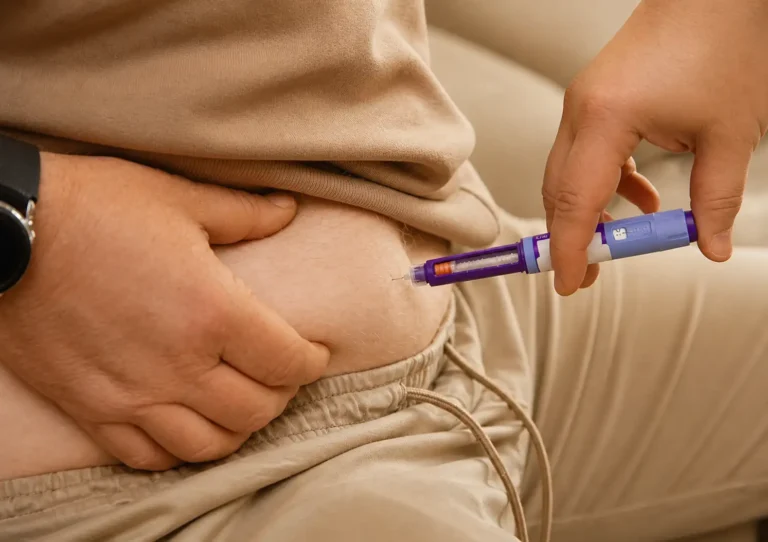

If you have accidentally got pregnant on Mounjaro, the most important thing is to stop the medication and speak to your GP or prescriber as soon as possible. Mounjaro (tirzepatide) is not approved for use during pregnancy. Animal studies have shown potential risks, and there is very little human data available. Most healthcare providers will advise stopping Mounjaro right away.
You will then need to confirm the pregnancy, start antenatal care, and plan any changes to your diabetes or weight management treatment. The situation can feel alarming, but with the right medical support, you can protect both yourself and your baby.
Read on for a full breakdown of what this means for you.
Can You Get Pregnant While Taking Mounjaro?

Yes, it is possible. In fact, Mounjaro may make it more likely than you expect.
Mounjaro is a GLP-1 and GIP receptor agonist. It is prescribed for type 2 diabetes and, more recently, for weight management. But one of its indirect effects is worth knowing about.
Significant weight loss can restore or improve ovulation. Women with conditions like polycystic ovary syndrome (PCOS) often have irregular or absent periods linked to excess weight and insulin resistance. As Mounjaro improves insulin sensitivity and helps with weight loss, ovulation can return, sometimes without any warning.
This means some women who previously struggled to conceive may become fertile again while taking Mounjaro. It is not a fertility medication, but the hormonal changes that come with weight loss can work in that direction.
If you are sexually active and not planning a pregnancy, reliable contraception is important throughout your treatment. This is something many prescribers do not make clear enough at the start.
What Should You Do Immediately?

Finding out you are pregnant while on Mounjaro is not the time to wait and see. Move quickly, but calmly.
Step one: confirm the pregnancy
A positive home test is a strong indicator, but you will need confirmation from your GP. Book an appointment as soon as you can.
Step two: stop Mounjaro
Current MHRA pregnancy guidance advises people who become pregnant while using GLP-1 medicines to speak to a healthcare professional and stop the medicine as soon as possible. If you are unsure, call your GP practice or pharmacy for interim guidance.
Step three: tell your prescriber
Whether Mounjaro was prescribed for type 2 diabetes or weight management, your treatment plan will need to change. Your GP needs to know so they can manage any underlying conditions safely during pregnancy.
Step four: start prenatal care
Contact your midwifery service early. Earlier contact means earlier monitoring, which matters more if you have type 2 diabetes or obesity-related health conditions.
Do not panic about having taken Mounjaro before you knew you were pregnant. Many women discover a pregnancy after a few weeks. The key is acting on the information now.
Possible Risks

This is an area where honesty is important. The evidence base is still limited.
Animal studies using tirzepatide have shown developmental issues in foetuses at doses comparable to human therapeutic doses. These studies raised enough concern for the manufacturer, Eli Lilly, to list pregnancy as a contraindication.
Human data is very sparse. There is no completed clinical trial involving pregnant women taking Mounjaro, for obvious ethical reasons. What does exist is a small number of case reports and post-marketing surveillance data, which is not enough to draw firm conclusions about the actual risk to a human pregnancy.
What is known is this: GLP-1 receptor agonists as a class have shown some signals of concern in animal reproductive studies. Whether those findings translate directly to humans remains unclear.
The risks should not be overstated. Many women have taken medications during early pregnancy without knowing they were pregnant, and the outcomes have been normal. The absence of strong evidence for harm is not the same as confirmed safety, but it is also not a reason to assume the worst.
This is exactly why prompt medical supervision matters. Your doctor can assess gestational age, review the exposure window, and arrange appropriate monitoring.
Does Mounjaro Affect Birth Control?

Yes, and this is something that is not discussed enough.
Mounjaro slows gastric emptying. This is part of how it works: food moves more slowly from the stomach into the small intestine, which helps reduce appetite and lower post-meal blood sugar spikes.
The problem is that this slowed gastric motility can affect how quickly oral medications are absorbed. Hormonal contraceptives taken by mouth are not exempt from this effect.
The prescribing information for Mounjaro notes that it may reduce the absorption rate of oral medications. During dose escalation, particularly in the first few months of treatment, this effect may be more pronounced.
For this reason, some prescribers recommend using additional or alternative contraception during Mounjaro treatment. Options like the contraceptive patch, hormonal coil (IUS), or contraceptive injection are not affected by gastric emptying because they bypass the digestive system entirely.
If your Mounjaro prescription did not come with clear contraception advice, speak to your GP or a sexual health clinic.
Does Mounjaro Affect the Contraceptive Pill?
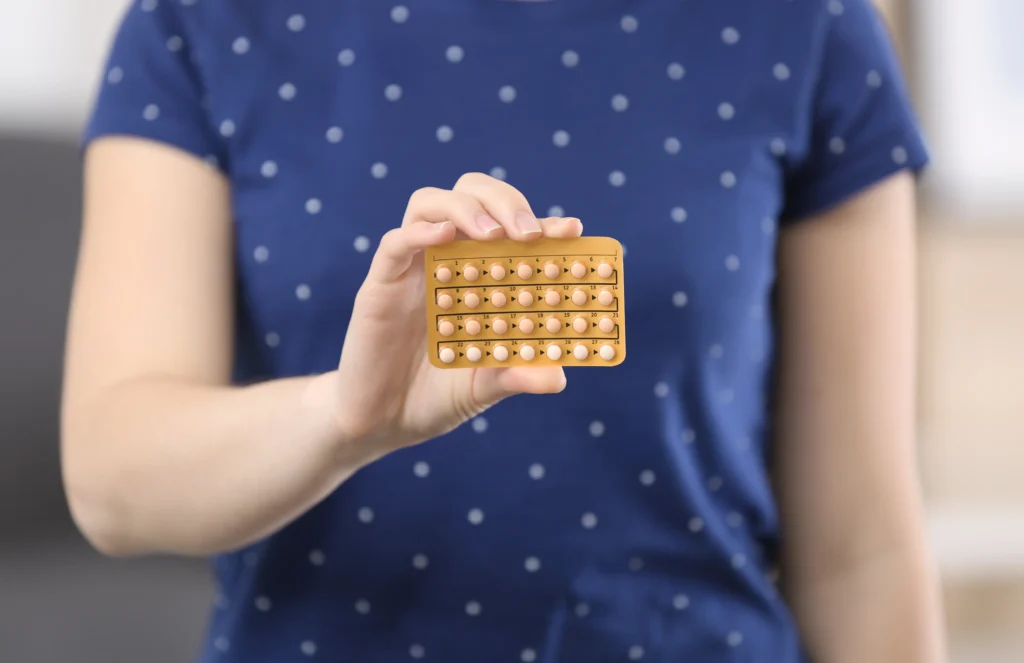
Specifically for the oral contraceptive pill, the concern is the same as above, but worth addressing separately.
The pill relies on being absorbed predictably through the gut. When gastric emptying is delayed, the timing and extent of absorption can change. This could, in theory, reduce the pill’s reliability.
Current guidance from the Medicines and Healthcare products Regulatory Agency (MHRA) and the prescribing information from Eli Lilly both flag this as a consideration. They recommend that women on oral contraceptives consider switching to a non-oral method, or using barrier contraception, particularly during the first four weeks after starting Mounjaro or after each dose increase.
This is not a theoretical risk invented by cautious prescribers. It is a pharmacological interaction based on how the drug works.
If you have been on both Mounjaro and the pill without additional contraception, this interaction may well explain an unplanned pregnancy.
Do You Need to Stop Mounjaro Before Getting Pregnant?

If you are planning a pregnancy, yes. Most healthcare providers will advise stopping Mounjaro in advance.
If you’re planning to conceive, the current UK guidance (MHRA) is to stop Mounjaro at least one month beforehand. Since the drug has a five-day half-life, that month allows enough time for it to clear your system. Some doctors prefer a longer buffer for extra safety, and if you’re using a similar drug like Wegovy, the recommended wait is typically two months. Always check with your healthcare provider to confirm the right timeline for you.
Stopping in advance also gives your clinical team time to adjust any other medications. If Mounjaro was managing your type 2 diabetes, alternative treatment will need to be in place before conception. Some diabetes medications are not safe in pregnancy either, so this requires careful planning.
Weight management does not need to stop when Mounjaro does. Dietary changes and increased physical activity can continue safely. Your team may refer you to a dietitian as part of preconception planning.
If Mounjaro significantly improves your metabolic health, stopping it may cause some weight regain before pregnancy. That is a recognised clinical challenge, and one worth discussing honestly with your doctor rather than trying to manage on your own.
Can You Take Mounjaro After Pregnancy?
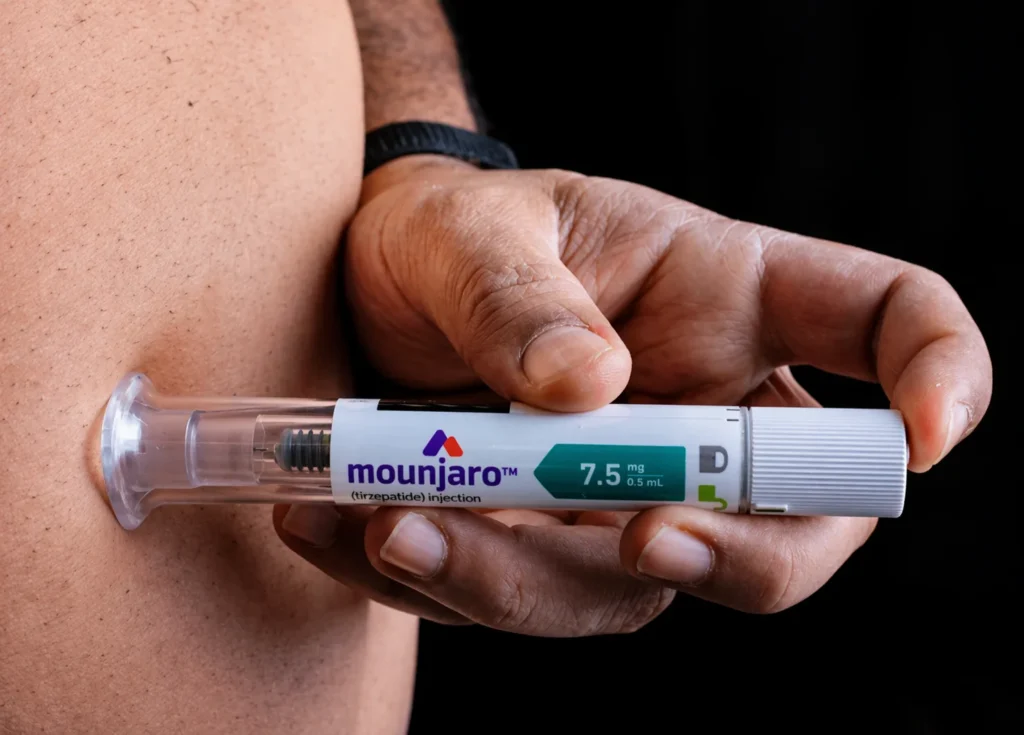
Restarting Mounjaro after delivery is possible, but there are conditions.
If you are not breastfeeding, you can discuss restarting with your GP or specialist once you have recovered from delivery. There is no firm guidance on exactly how soon, but most providers would want your physical health to stabilise first.
Breastfeeding is more complicated. Mounjaro is not recommended during breastfeeding. It is not known whether tirzepatide passes into breast milk, and given the lack of data, caution is the standard position. The MHRA advises against use while breastfeeding.
If breastfeeding is important to you and you want to restart weight management medication, discuss timing with your GP. In some cases, a short-term pause in breastfeeding is considered. In others, a different medication may be more appropriate.
The decision to restart Mounjaro postpartum should also factor in your current weight, any metabolic conditions, and what support is available to you. It is not a straightforward yes or no.
Questions to Ask Your Doctor

When you speak to your GP or prescriber, having specific questions ready will help you get clear answers. Here is a practical list.
- Should I stop Mounjaro immediately, or wait until my appointment?
- How far along am I likely to be, and how long was I exposed to Mounjaro?
- Do I need additional scans given my medication history?
- Will my baby’s development be monitored differently because of this?
- What should I use instead of Mounjaro for my diabetes or weight management during pregnancy?
- Is my current contraception suitable, or do I need to change it after this pregnancy?
- Can I breastfeed if I want to restart Mounjaro after delivery?
- Will I be referred to a specialist, such as an endocrinologist or maternal-fetal medicine team?
Write these down before your appointment. It is easy to forget things when you are anxious, and having them ready means you leave with the information you actually need.
Frequently Asked Questions
Can Mounjaro cause a miscarriage?
There is no confirmed evidence in humans that Mounjaro causes miscarriage. Animal studies showed some reproductive concerns, but these have not been confirmed in human pregnancies. Speak to your GP for individual advice.
Will I need extra monitoring in pregnancy if I take Mounjaro?
Most women will be offered at least standard monitoring. Your doctor may recommend additional scans depending on how long you were exposed and your overall health. This varies by individual clinical circumstances.
Does stopping Mounjaro suddenly cause any side effects?
Stopping Mounjaro does not typically cause withdrawal symptoms. You may notice your appetite returning more quickly, but there are no known dangerous effects from stopping the medication abruptly if you are pregnant.
Can Mounjaro affect a pregnancy test result?
No. Mounjaro does not interfere with the hormones detected in standard pregnancy tests. A positive result on a home test or blood test is reliable and is not affected by tirzepatide.
If I got pregnant on Mounjaro, does that mean my baby will have health problems?
Not necessarily. Exposure to Mounjaro in early pregnancy does not automatically mean there will be health problems. Many factors determine pregnancy outcomes. Your clinical team will monitor your pregnancy and provide guidance specific to your situation.
Conclusion
An unplanned pregnancy on Mounjaro is alarming, but it is not a reason to panic. Stop the medication, confirm the pregnancy, and contact your GP without delay.
The evidence in humans is limited, and that cuts both ways. Act on what you know now rather than what you fear. Your clinical team can assess the exposure, arrange monitoring, and adjust your treatment plan. The conversation you have today is the most important step you can take.