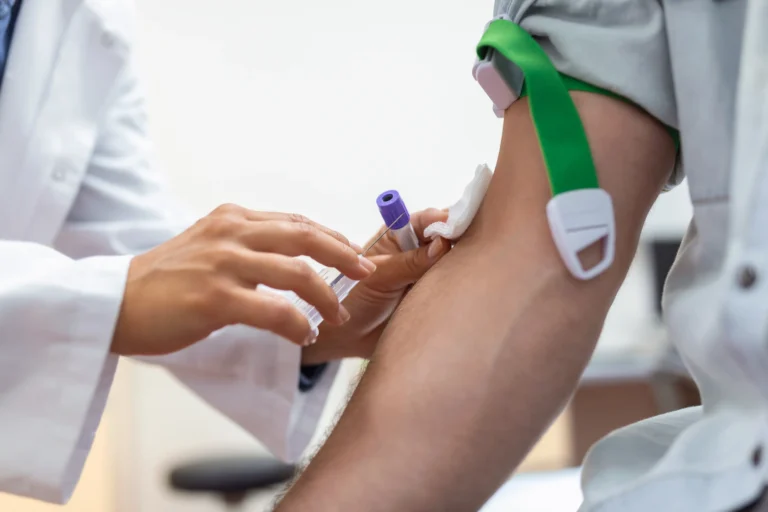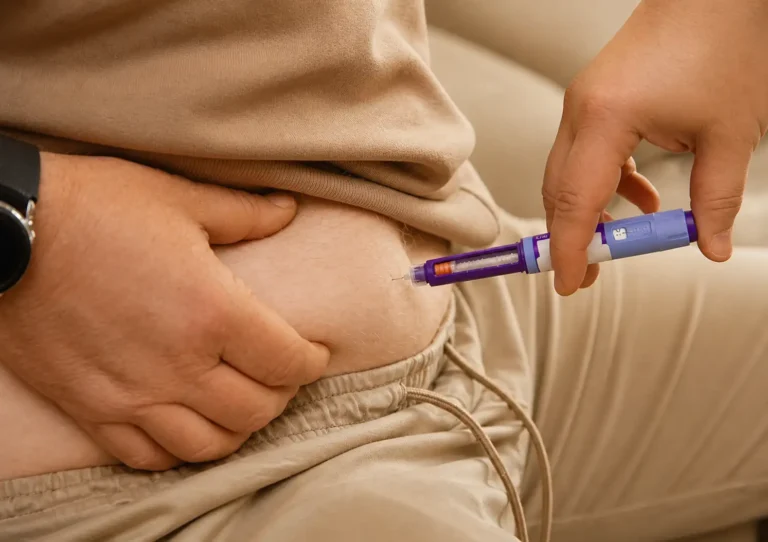
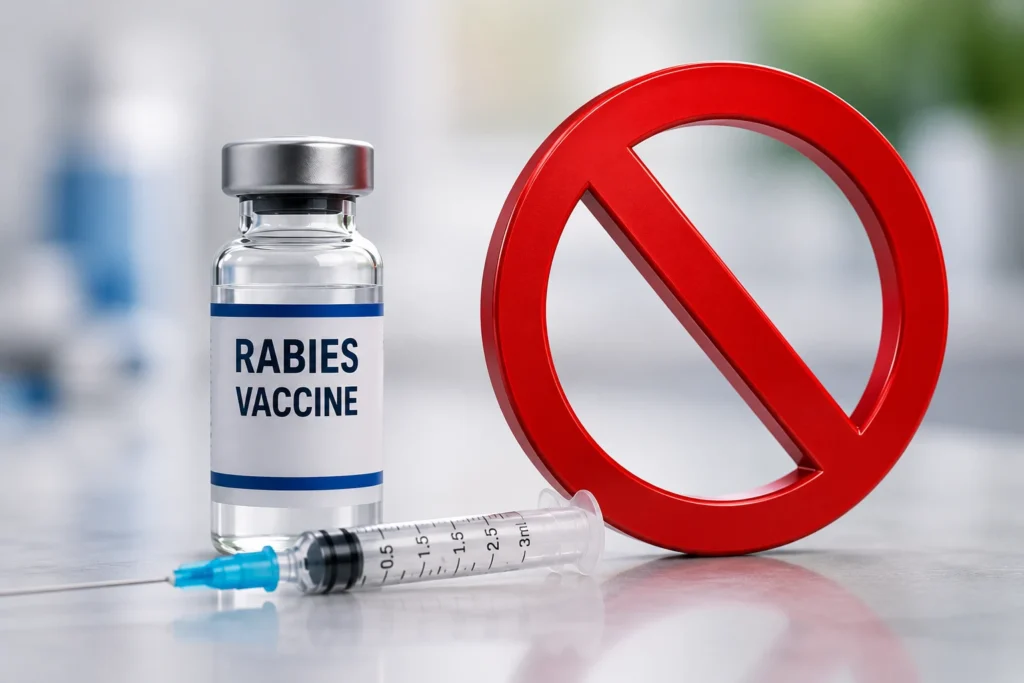
After receiving a rabies vaccine as part of a licensed vaccination schedule (pre-exposure or post-exposure under clinical direction), most people can carry on with daily life without major disruption. That said, there are specific things you should avoid, including alcohol, intense exercise, and skipping doses.
It can affect how well the vaccine works or how quickly you recover. This guide covers everything you need to know about post-vaccination care, including foods, activities, and side effects to watch out for.
Why Should You Follow Rabies Vaccine Precautions?
Rabies is one of the very few diseases with a near-100% fatality rate once symptoms appear. The good news is that it is entirely preventable with timely vaccination. But the vaccine only works when you complete the full course.
Missing a dose or ignoring aftercare advice can leave gaps in your protection. Your immune system needs time and the right conditions to build a proper response to the vaccine. Disrupting that process through excessive alcohol, poor sleep, or skipped injections can reduce how well your body responds.
What To Avoid After Rabies Vaccine?
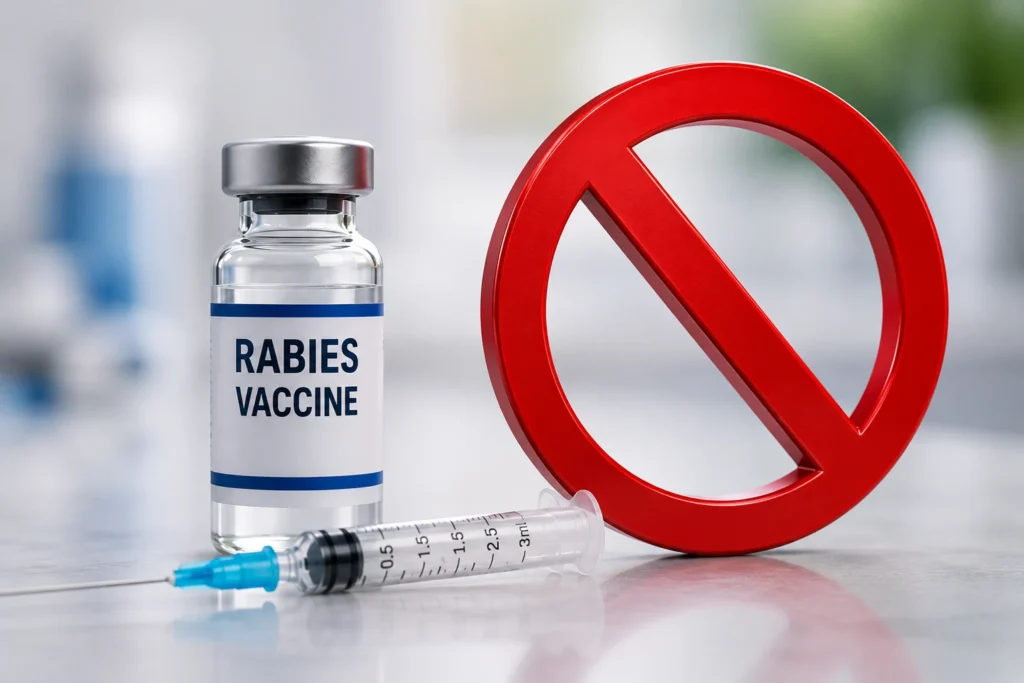
Avoid Missing or Delaying Vaccine Doses
Rabies vaccination schedules vary depending on whether they are given as pre-exposure or post-exposure prophylaxis, and should follow local clinical guidance. In the UK, rabies vaccination schedules follow national guidance and may vary depending on clinical circumstances and vaccine type.
Each dose builds on the last. If you miss an appointment for any reason, contact your GP, travel clinic, or pharmacy immediately. Do not wait for your next scheduled date. The course can often be adjusted, but only a healthcare professional should advise on the new timing.
Avoid Alcohol After Rabies Vaccine
This is one of the most searched questions: “Can I drink alcohol after the rabies vaccine?”
Moderate alcohol is unlikely to make the vaccine completely ineffective. But it is still worth avoiding during your course.
Alcohol suppresses immune function, even in moderate amounts. Your body is actively trying to mount an antibody response after each injection, and alcohol works against that process. It also causes dehydration, which worsens common side effects like headache, fatigue, and dizziness.
If you are completing a post-exposure course, you are likely already stressed and run down. Alcohol on top of that is not helpful. Try to hold off until your final dose is done.
Avoid Intense Physical Activities Immediately After Vaccination
After each injection, your body needs a short period of rest to process the vaccine. Intense exercise diverts blood flow and energy away from immune activity.
Activities to avoid in the 24 to 48 hours after each injection include:
- Heavy weight training or gym sessions
- Long-distance running or cycling
- Contact sports such as football, rugby, or boxing
- Physically demanding manual labour
Light walking and gentle daily activity are usually fine. But pushing your body hard immediately after a dose is not a good idea.
Avoid Scratching or Rubbing the Injection Site
Redness, mild swelling, and tenderness at the injection site are all normal. Scratching or pressing on the area can introduce bacteria, worsen inflammation, or slow healing.
If the site feels sore, a clean cold compress applied gently for a few minutes can help. Avoid applying any creams, oils, or herbal preparations unless your pharmacist has specifically recommended them.
Avoid Self-Medicating Without Professional Advice
Some people opt for herbal supplements or alternative remedies after a vaccine.
Certain herbal products can interact with medication or cause immune reactions of their own. More practically, if you take something and develop symptoms, it becomes harder to work out whether the reaction is from the vaccine, the remedy, or something else.
If you want to take any medicine, including over-the-counter painkillers, seek advice from a pharmacist or healthcare professional.
Foods To Avoid After Rabies Vaccine

Is There Any Strict Food Restriction After Rabies Vaccine?
No specific foods are known to interfere with the rabies vaccine. What matters more is eating well enough to support your immune system during the course.
Foods That May Worsen Discomfort
If you are experiencing mild side effects, some foods can make you feel worse, even if they are not technically “off limits.”
- Very spicy food can aggravate nausea, which is already a possible side effect
- Heavy, greasy meals are harder to digest when your body is under mild immune stress
- Highly processed foods offer little nutritional value when your immune system needs fuel
- Excess caffeine can worsen anxiety and disrupt sleep, both of which slow recovery
None of these will ruin your vaccine. But if you are feeling off, they will not help either.
What Not To Eat After Rabies Injection If You Feel Unwell?
If nausea or an upset stomach is bothering you after a dose, keep it simple. Avoid rich, heavy, or acidic meals until you feel steadier. Plain food such as toast, rice, boiled vegetables, and mild soups is easier to tolerate and less likely to aggravate anything.
The main rule is to keep eating. Do not skip meals, as your body needs energy to respond to the vaccine.
Recommended Foods During Recovery
Stick to balanced meals. Good choices include:
- Water and diluting fluids to stay hydrated
- Fresh fruits and vegetables for vitamins and antioxidants
- Lean proteins like chicken, eggs, or legumes to support immune cell production
- Wholegrains for sustained energy
Common Rabies Vaccine Side Effects & Precautions
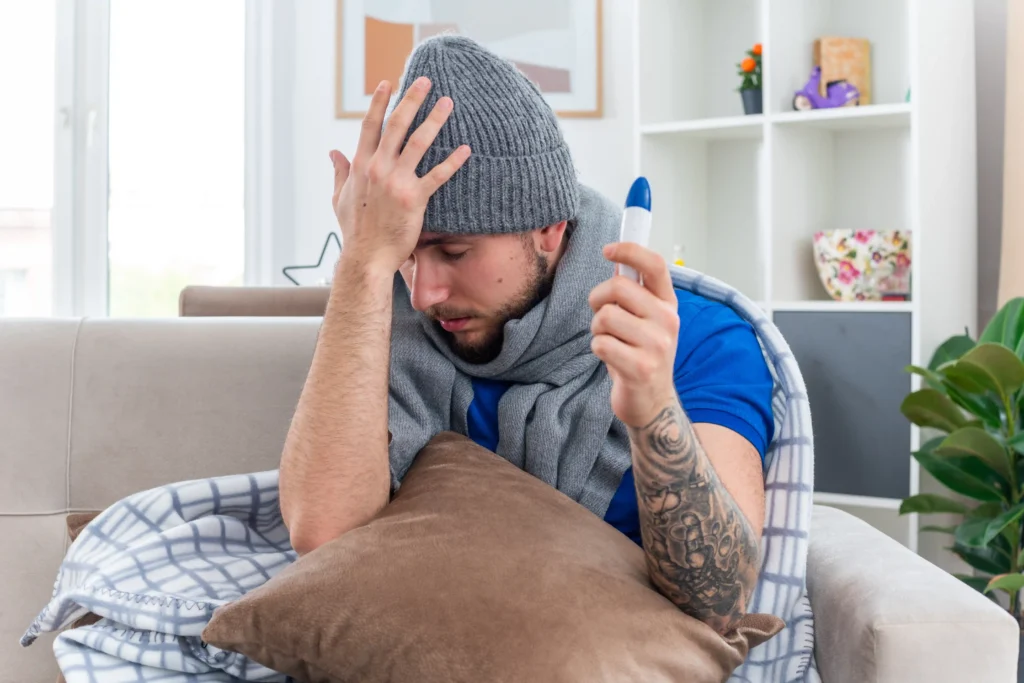
Mild Side Effects That Are Usually Normal
Most people experience at least one of the following after a rabies injection:
- Pain, redness, or mild swelling at the injection site
- Low-grade fever
- Headache
- Fatigue or tiredness
- Muscle aches
- Mild nausea
These are signs that your immune system is responding. They typically resolve within one to three days.
How To Manage Mild Side Effects Safely?
Rest is the simplest and most effective thing you can do. Drink plenty of fluids, particularly water. For injection site discomfort, a cool damp cloth held against the area for a few minutes usually helps.
If the pain or fever is bothering you, paracetamol is generally safe to take. Use pain relief medicines as advised by a pharmacist or healthcare professional. Ask your pharmacist if you are unsure which to take.
Side Effects That Need Urgent Medical Attention
The following symptoms are not normal and require immediate medical attention:
- Difficulty breathing or swallowing
- Swelling of the face, lips, or throat
- Severe rash across the body
- Persistent high fever that does not settle
- Confusion, fits, or neurological symptoms
- Severe swelling spreading beyond the injection site
Call 999 or go to your nearest A&E if any of these occur. Severe allergic reactions to rabies vaccines are rare, but they do happen and need prompt treatment.
Care After Rabies Vaccination
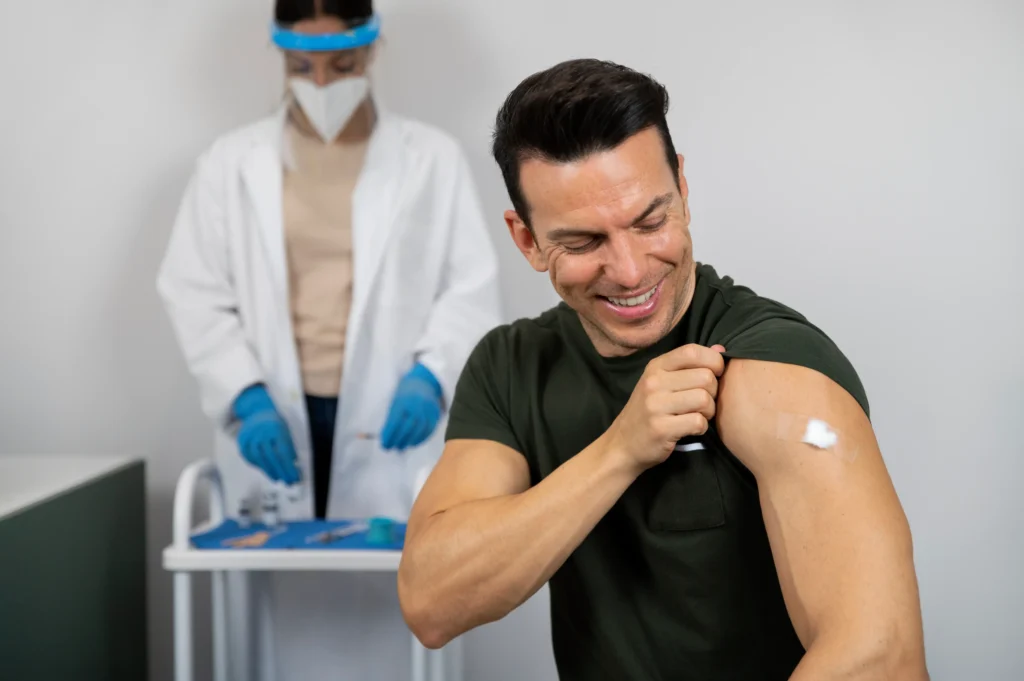
Keep the Bite or Scratch Wound Clean
If this vaccine follows an animal bite or scratch, wound care should be managed according to clinical guidance provided at the time of treatment. Continue cleaning the wound regularly during your vaccine course. Watch for signs of local infection: increasing redness, warmth, discharge, or worsening pain. If any of these appear, seek a medical review separately from your vaccine appointments.
Stay Hydrated and Rested
Adequate rest and sleep may support general recovery during vaccination. Aim for seven to nine hours each night during the vaccine course. Poor sleep does measurably impair antibody production. Stay well hydrated, particularly in warm weather or if you have been physically active.
Follow Your Healthcare Provider’s Advice Carefully
Your GP, travel clinic, or pharmacist has given you a schedule for a reason. Follow it. Take any prescribed medicines, including rabies immunoglobulin if that was given, exactly as directed. Attend every follow-up appointment.
If anything changes, such as worsening symptoms or a change in circumstances, tell your healthcare team.
Monitor Your Symptoms During the Vaccine Course
Keep a simple note of how you feel after each dose. Most side effects follow a pattern: mild and short-lived. If something feels different, more severe, or does not resolve within a few days, that is worth flagging.
Keep the contact number for your clinic or pharmacy accessible during the course, particularly if you are travelling.
Post Rabies Vaccine Guidelines for Children
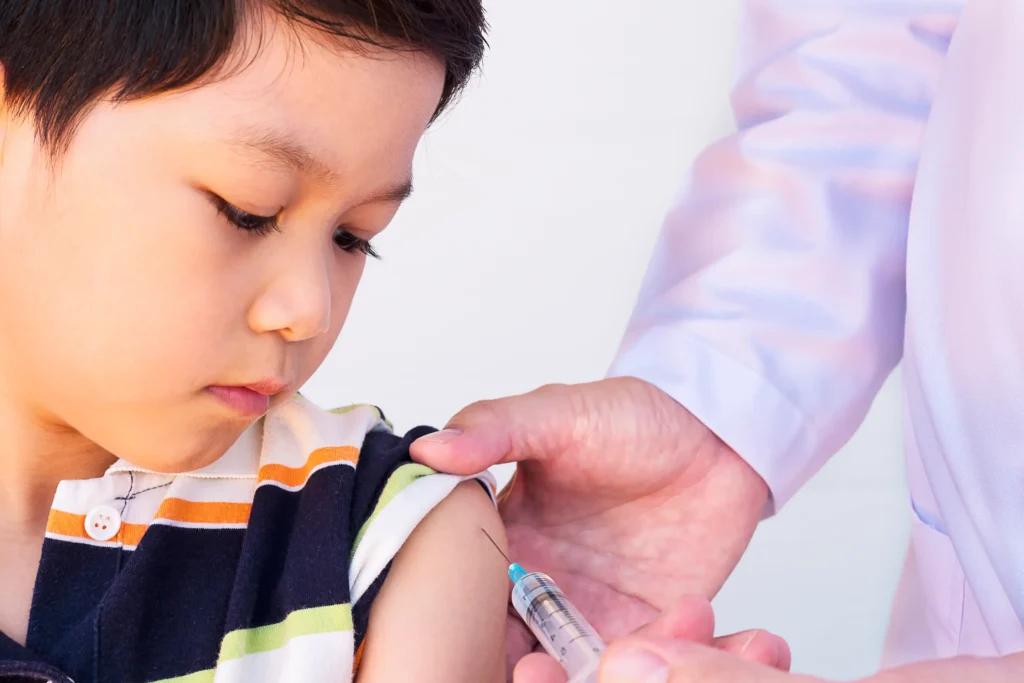
Extra Care Tips for Parents
Children often find injections distressing, and they are less able to tell you clearly how they feel. After each dose, monitor your child for the usual mild side effects.
Encourage them to drink water or diluted juice regularly. Keep them away from vigorous play for a day or so after each injection. If the injection site looks sore, discourage them from touching or scratching it. A small plaster and a gentle reminder usually does the job.
When Parents Should Contact a Doctor?
Get medical advice promptly if your child:
- Has a persistent or high fever that does not come down with paracetamol
- Develops noticeable swelling beyond the injection site
- Has difficulty breathing or develops a rash
- Seems unusually drowsy, confused, or unresponsive
- Is crying persistently and cannot be settled
When in doubt, call your GP or 111. Do not wait it out if your instinct says something is wrong.
Frequently Asked Questions
Can I travel by air during the rabies vaccine course?
Yes, flying does not affect the vaccine. Keep your injection schedule in mind when booking travel. If your next dose falls while you are abroad, you can often get it at a local clinic, but confirm this with your travel clinic before you leave.
How long after the rabies vaccine does immunity develop?
A protective antibody response typically develops within seven to fourteen days after the first dose. Full protection from a complete post-exposure course usually takes around a month. This is why completing every dose on schedule matters.
Is it safe to have other vaccines at the same time as the rabies vaccine?
In most cases, yes. Other inactivated vaccines are generally safe to give alongside rabies injections. However, if you are receiving rabies immunoglobulin as part of post-exposure treatment, certain live vaccines may need to be delayed. Your healthcare provider will guide this based on your specific situation.
Can I take antihistamines during the rabies vaccine course?
Standard antihistamines for hayfever or allergies are generally safe. However, always mention them to your pharmacist or GP, as they will want to know what you are taking during the course. If you are taking antihistamines to manage a vaccine reaction rather than an allergy, that is a conversation to have with your clinician.
What would happen if I had a rabies vaccine years ago? Do I still need post-exposure treatment?
If you have had a full course of rabies vaccine previously (either pre-exposure or post-exposure), you may only need two booster doses rather than the full course. You are unlikely to need rabies immunoglobulin. Confirm this with your doctor or pharmacist, as the protocol depends on your vaccination history and the type of exposure.
When To Seek Immediate Medical Help After Rabies Vaccination?

Do not wait for your next scheduled appointment if you experience any of the following:
- Signs of a severe allergic reaction: throat tightening, difficulty breathing, widespread rash, or swelling of the face
- A significant worsening in how you feel after two to three days rather than improvement
- Any signs of infection at the wound or injection site: spreading redness, heat, pus, or fever
- Neurological symptoms: numbness, confusion, vision changes, or weakness in the limbs
- Persistent high fever that does not respond to paracetamol
Call 999 for life-threatening reactions. For urgent but non-emergency concerns, call 111 or contact your GP.
Final Thoughts
The rabies vaccine is one of the most effective medicines we have. When given promptly and taken as a complete course, it prevents a disease that is otherwise almost always fatal. That is a remarkable thing.
Most people tolerate the vaccine well. Side effects are usually mild, manageable, and short-lived. If you have had an animal bite or scratch and are unsure whether you need vaccination, do not wait. Get assessed promptly. In the UK, your GP or local A&E can advise on post-exposure treatment.
Our pharmacy team is here to help. We provide pre-exposure rabies vaccination only for travellers visiting destinations where rabies may be present. If you would like advice on rabies vaccination, travel health requirements, or managing common side effects after vaccination, our team is here to help. Call us or book online today.