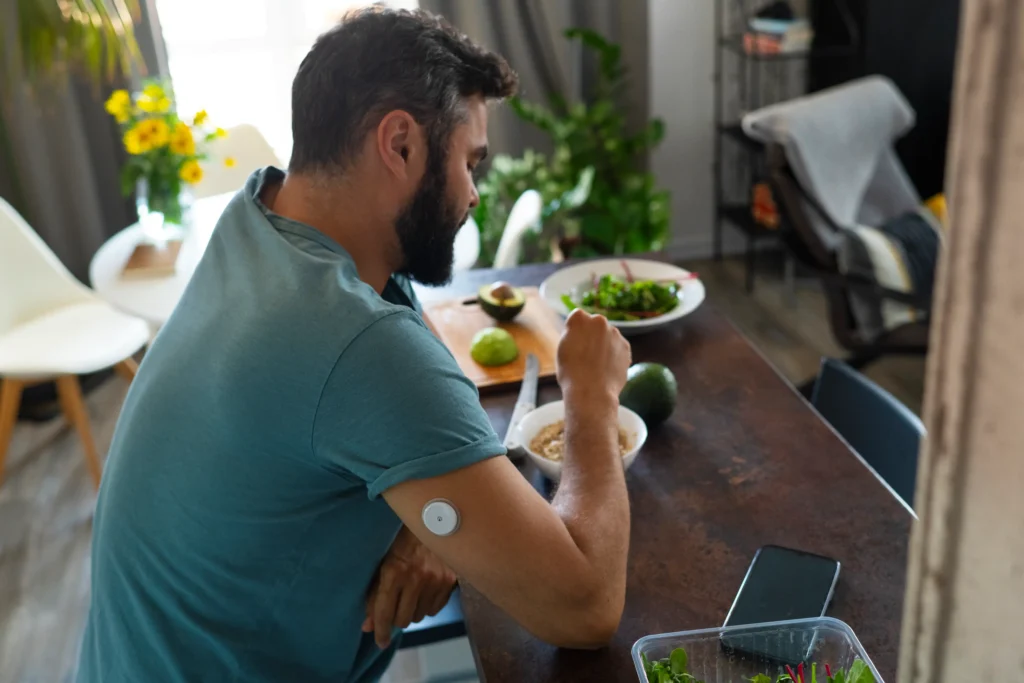
Whether it’s your first blood test or your tenth, preparation matters. What you eat or skip before a blood test can directly affect your results. Some tests need you to fast for 8 to 12 hours. Others allow a light meal beforehand. Getting this wrong can mean a repeat visit, delayed results, or an inaccurate reading your GP then acts on.
This guide covers what to eat before a blood test, what to avoid, which tests require fasting, and the preparation mistakes that are surprisingly easy to make. Read on to make sure your next test goes smoothly from the start.
Do You Need to Fast?
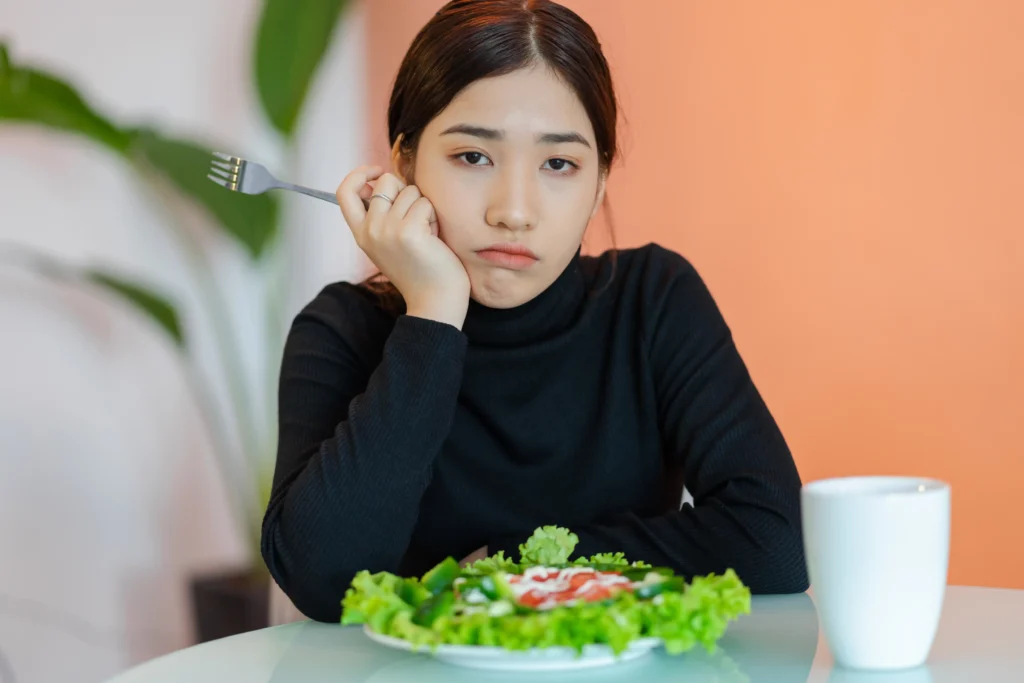
Fasting before a blood test means not eating or drinking anything other than water for a set period, usually 8 to 12 hours, before your appointment. It gives your body time to clear food-related compounds from your bloodstream so the lab gets a clean, accurate reading.
Not every blood test requires fasting. Whether you need to fast depends on what your doctor is testing for.
Tests that typically require fasting:
- Fasting glucose (blood sugar)
- HbA1c requires no fasting unless paired with glucose.
- Lipid profile (cholesterol and triglycerides)
- Iron studies
- Vitamin B12 and folate in some cases
Tests that generally do not require fasting:
- Full blood count (FBC)
- Thyroid function tests (TFT)
- Kidney function tests
- Liver function tests
- Vitamin D
- Inflammation markers such as CRP and ESR
That said, protocols can vary between GP surgeries and laboratories. Always check the letter or leaflet from your healthcare provider. If it says fast, fast. If it doesn’t mention fasting, call ahead rather than assume.
Plain water is permitted during fasting for almost all blood tests. Staying hydrated actually helps the phlebotomist find your veins more easily, so do not skip water.
Foods You Can Eat Before Non-Fasting Tests
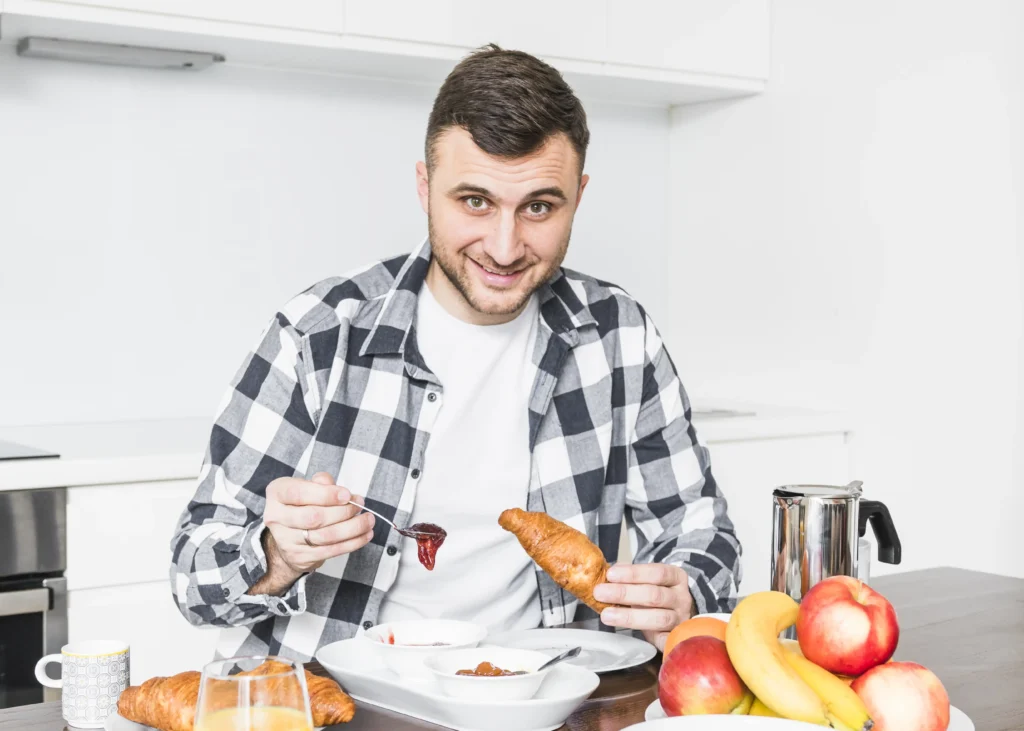
If your test does not require fasting, eating something beforehand is fine and often advisable. Arriving on an empty stomach unnecessarily can leave you feeling faint after the needle, particularly if you are anxious or have low blood pressure.
Stick to foods that are easy to digest and do not trigger a sharp rise in blood sugar or fat levels.
Good choices include:
- Scrambled eggs or a boiled egg on wholegrain toast
- Porridge with a small amount of fruit
- Plain yoghurt with berries
- A banana or an apple
- Brown rice or wholegrain bread with a light filling
- Grilled chicken or fish with vegetables
These give you steady energy without flooding your bloodstream with excess glucose or lipids. A heavy fry-up, a sugary pastry, or a large bowl of white rice are all foods that could cause readings to spike temporarily, even on a non-fasting test.
If your test is scheduled for the morning, a light breakfast an hour or two beforehand is usually fine. If you are unsure what you are allowed to eat before a blood test, a small, plain meal is a safe default. Avoid anything fried, heavily processed, or loaded with sugar.
What Foods Should You Avoid Before a Blood Test?
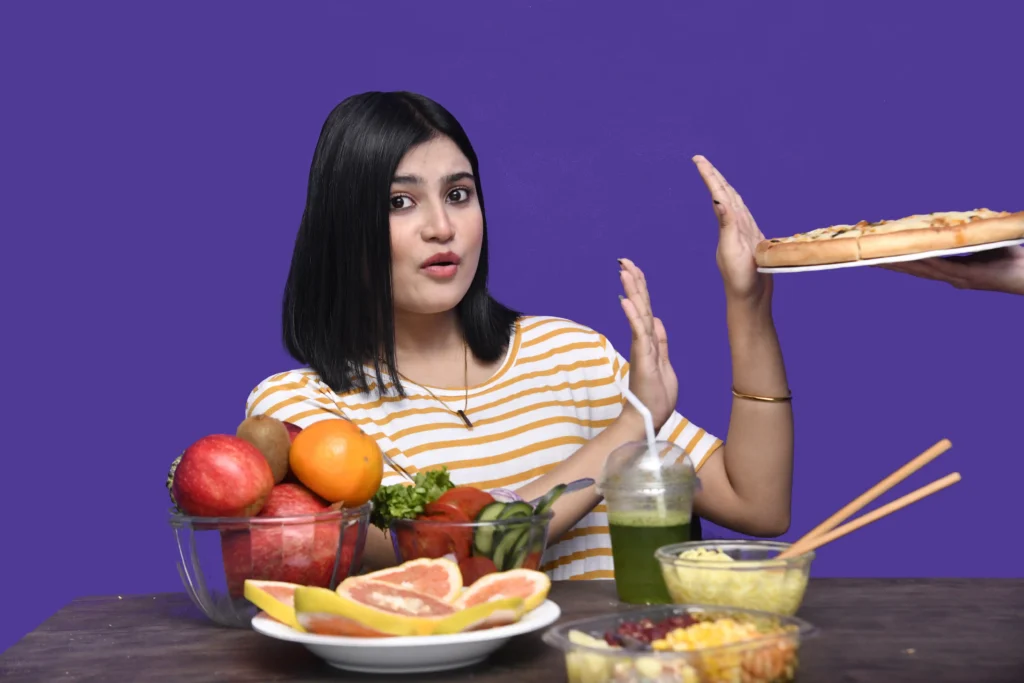
Some foods and drinks interfere with blood test accuracy even when fasting is not required. The impact depends on which test is being run, but as a general rule, the following are worth avoiding on the day of your test.
Sugary foods and drinks
Sugar causes a rapid rise in blood glucose. Even a biscuit with your morning tea can temporarily push glucose readings up. For anyone being tested for diabetes or pre-diabetes, this matters a great deal.
Fried and fatty foods
A meal high in saturated fat raises triglyceride levels in the blood for several hours afterwards. This can directly skew a lipid panel result. If your doctor is checking your cholesterol, anything fried, oily, or heavy should be off the table the night before as well.
Alcohol
Alcohol affects liver enzymes, blood glucose, and triglycerides. Even one drink the night before can produce a falsely elevated liver function result. Many doctors recommend avoiding alcohol for at least 24 hours before a blood test.
Excessive caffeine
A small amount of caffeine is unlikely to affect most tests. But large amounts can raise cortisol and affect certain hormone or adrenal markers. Black coffee on an empty stomach can also make you feel dizzy or nauseous before a blood draw.
Supplements not prescribed by your doctor
Biotin supplements in particular are known to interfere with thyroid and hormone tests. Iron supplements can distort iron studies. If you have not been told to take these before your test, leave them out that morning.
Foods that commonly throw off blood test results include alcohol, high-fat meals, sugary snacks, and excessive caffeine. None of these are risky in everyday life, but their timing around a blood test is what causes problems.
Water and Hydration

Drinking enough water before a blood test is one of the most practical things you can do. It keeps your blood volume up and makes your veins easier to access. When you are dehydrated, veins shrink and the phlebotomist may need multiple attempts to get a sample.
Aim to drink 500ml to 1 litre of plain water in the two hours before your appointment. This is not about drinking large volumes all at once. Just regular sipping from the moment you wake up will do.
Drinks that are generally fine:
- Plain water, still or sparkling
Drinks to avoid before your test:
- Fruit juice (raises glucose)
- Sports drinks (contain sugars and electrolytes that can affect results)
- Fizzy drinks and energy drinks
- Coffee and tea in large amounts
- Milk in significant quantities
Even if you are fasting, plain water is almost always permitted unless your lab or doctor has specifically told you otherwise. Do not fast from water. It does not help your results and it makes the appointment harder.
How to Avoid Common Mistakes Before a Blood Test

Preparation mistakes are more common than people think. Most of them happen not out of carelessness but because patients do not realise these things matter.
Eating when you were told to fast
This is the most obvious mistake, but it happens. A small snack, a piece of fruit, a glass of juice. Any of these can compromise a fasting glucose or lipid test result. If you have accidentally eaten, call the clinic before attending so staff can advise whether to proceed or reschedule.
Drinking coffee or alcohol
Even black coffee with no sugar can affect certain test results. Alcohol from the previous evening can still be measurable in the morning. Both should be avoided on the day of the test and, for alcohol, ideally the night before as well.
Smoking before the test
Smoking raises carbon monoxide levels in the blood and can affect red blood cell readings and glucose levels. Avoid smoking for at least an hour before your appointment, and ideally longer.
Chewing gum
Flavoured chewing gum contains sugars and sweeteners that are absorbed quickly. Some studies suggest it can raise insulin levels. Skip it on the morning of your test.
Intense exercise
A hard gym session or a long run can temporarily raise creatine kinase, lactate, potassium, and glucose. If you exercise regularly, skip the workout the morning of your blood test or at least 24 hours beforehand if your doctor is testing muscle or kidney markers.
Taking supplements without checking
Biotin, iron, vitamin C, and fish oil can all affect specific test readings. Do not assume supplements are harmless before a blood test. Check with your healthcare provider first.
The most important thing to remember is to read any instructions that come with your blood test request and follow them exactly. If there are no instructions and you are not sure what to do, call the clinic the day before.
Blood Test Services at Orrell Park Pharmacy
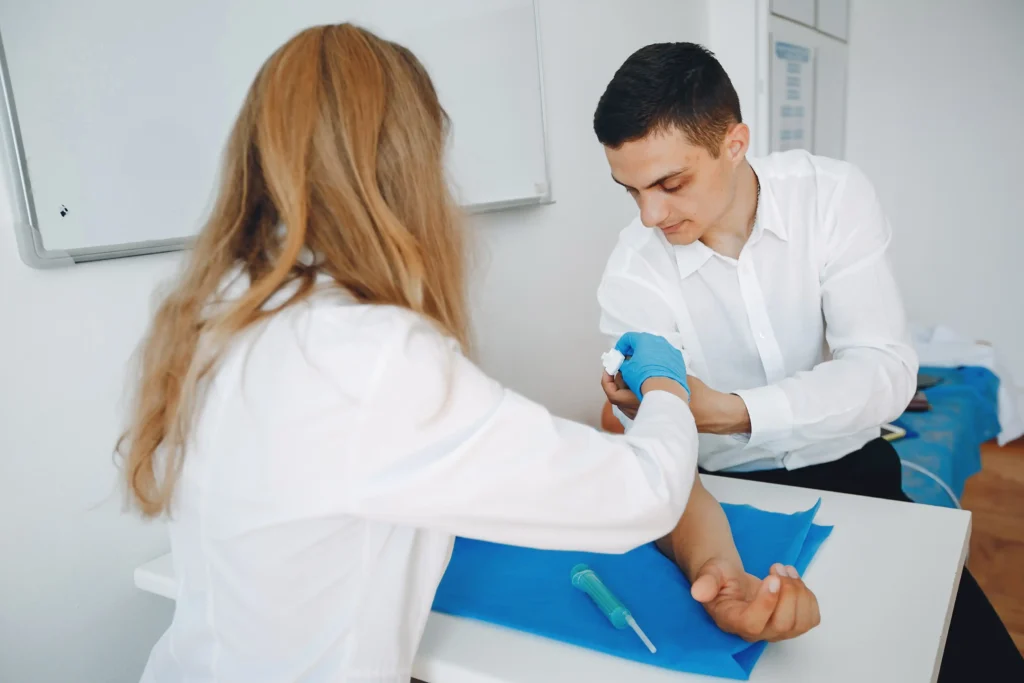
Getting a blood test arranged quickly and conveniently can make a real difference, particularly if you are monitoring a long-term condition or waiting for GP-referred results to come through.
At Orrell Park Pharmacy, we offer a range of private blood tests that can be booked without a GP referral. Whether you want to check your cholesterol, blood glucose, vitamin levels, or iron status, our team can arrange the test and give you clear guidance on how to prepare.
Find out more about our blood testing services and book an appointment at a time that suits you. Walk-in options may also be available. Contact us directly to confirm.
Frequently Asked Questions
Can I brush my teeth before a fasting blood test?
Yes. Brushing your teeth does not affect blood test results. Just avoid swallowing toothpaste and do not rinse with mouthwash that contains alcohol.
Does stress affect blood test results?
It can. Acute stress raises cortisol, which can temporarily elevate blood glucose and certain inflammatory markers. Try to arrive relaxed and give yourself enough time before the appointment.
Can I take my regular medication before a blood test?
Usually yes, but this depends on what medication you take and what is being tested. Always check with your prescribing doctor or pharmacist before skipping any prescribed medication.
Is it safe to give blood if I have not eaten?
For most people, a fasting blood test is safe. If you feel faint or unwell beforehand, tell the phlebotomist before they begin. They can advise on whether to proceed or reschedule.
How long after eating can I take a non-fasting blood test?
There is no strict rule for non-fasting tests. Waiting one to two hours after a light meal is generally sufficient. Avoid testing immediately after a large or high-fat meal.
Conclusion
Preparation for a blood test is not complicated, but it does require some thought. Whether you need to fast depends entirely on the specific test your doctor has requested. When fasting is required, stick to water and avoid food, coffee, alcohol, and supplements for 8 to 12 hours beforehand. When fasting is not required, a light, balanced meal is the sensible choice.
Stay hydrated, avoid alcohol the night before, and skip the gym on the morning of your test. If in doubt about anything, contact your healthcare provider before the appointment rather than guessing.
Ready to book a blood test? Visit Orrell Park Pharmacy and speak to our team about which test is right for you.