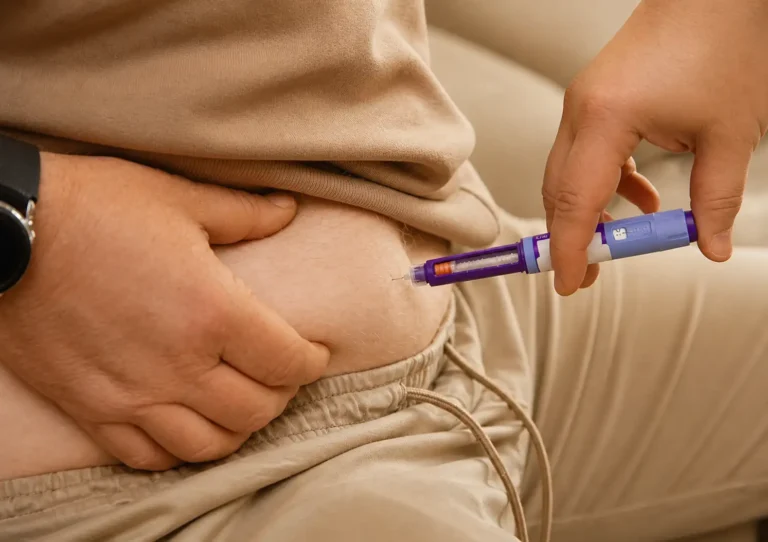

Many people starting Mounjaro report feeling unusually cold, particularly in their hands and feet. While feeling cold is not listed as an official side effect in Mounjaro’s clinical data, there are several well-understood reasons why it happens, most of them linked to how the drug affects your weight, appetite, and metabolism.
This article breaks down what is actually going on, when you should be concerned, and what you can do about it.
Is Feeling Cold an Official Side Effect?

No. Feeling cold does not appear in the official Mounjaro product information. The clinical trial data for tirzepatide, the active ingredient in Mounjaro, did not record cold intolerance as a direct adverse reaction.
That said, real-world patient reports tell a different story. Many people on Mounjaro do feel colder than usual, particularly after losing a significant amount of weight. This gap between trial data and lived experience is worth understanding.
The distinction matters. There is a difference between a drug directly causing a symptom and a drug triggering physiological changes that lead to that symptom. With Mounjaro, the cold you feel is almost always indirect, driven by weight loss itself rather than by tirzepatide acting on temperature receptors.
Why Mounjaro May Make You Feel Cold

Less Body Fat Means Less Insulation
Body fat plays a real role in keeping you warm. It acts as a layer of insulation around your organs and beneath your skin. When you lose weight on Mounjaro, particularly visceral and subcutaneous fat, you lose some of that natural insulation.
People who lose weight quickly tend to notice this more sharply. It is especially common in the first few months of significant fat loss.
Reduced Food Intake Means Less Heat Production
Eating generates heat. When you digest food, your body produces energy as a by-product, and some of that energy is released as heat. This is called diet-induced thermogenesis.
Mounjaro works partly by suppressing appetite and slowing gastric emptying. If you are eating far less than before, your body generates less heat through digestion. That can leave you feeling cold, particularly after meals or later in the day when your calorie intake has been low.
Changes in Metabolism During Weight Loss
Your metabolic rate adjusts as you lose weight. With less body mass to maintain, your resting metabolic rate drops. The body is doing less work to keep itself running, and that means less heat production overall.
This is a normal physiological response. It is not specific to Mounjaro. Any significant calorie deficit or rapid weight loss can trigger the same response.
Blood Sugar Dips May Cause Cold Sweats or Chills
Mounjaro lowers blood glucose levels, which is part of its intended effect in type 2 diabetes. In some people, particularly those also taking insulin or sulfonylureas, this can lead to hypoglycaemia.
Cold sweats, chills, and shivering can all be signs of low blood sugar. These feel similar to general cold intolerance but have a different cause. If you notice these symptoms alongside shakiness, confusion, or heart palpitations, check your blood glucose and seek advice promptly.
When Feeling Cold Could Mean Something Else

Not every case of cold intolerance on Mounjaro is explained by weight loss. There are other conditions that can cause or worsen the symptom, and they should not be overlooked.
Hypothyroidism
Hypothyroidism is one of the most common causes of feeling cold, particularly in women. An underactive thyroid slows down metabolism and reduces heat production. If you have not had your thyroid function checked recently, it is worth asking your GP.
Iron deficiency anaemia
Iron deficiency anaemia is another possibility, especially if your diet has become more restricted on Mounjaro. Low iron affects how efficiently red blood cells carry oxygen, and poor oxygen delivery can leave you feeling cold and fatigued.
Poor circulation
Poor circulation can also cause cold hands and feet specifically. This may pre-exist or may become more noticeable as body fat decreases. Conditions like Raynaud’s phenomenon can be triggered or worsened by weight loss.
Nutrient deficiencies
Nutrient deficiencies, more broadly, including low B12, folate, or vitamin D, can affect how the body regulates temperature. If your diet has narrowed considerably since starting Mounjaro, deficiencies are a real possibility.
How to Manage Feeling Cold

Eat Regularly and Choose Nutrient-Rich Foods
Do not skip meals, even if your appetite is low. Small, frequent meals help maintain thermogenesis throughout the day. Focus on foods with good nutritional density: oily fish, eggs, legumes, whole grains, and leafy greens.
Protein is particularly important. It has the highest thermic effect of any macronutrient, meaning your body burns more energy digesting it.
Stay Well Hydrated
Dehydration can impair circulation and make you feel colder. Aim for at least 1.5 to 2 litres of fluids per day, more if you are physically active.
Warm drinks are a simple and effective way to raise your core temperature when you feel cold. Herbal teas and warm soups count towards your fluid intake.
Keep Moving to Boost Circulation and Body Heat
Light exercise stimulates circulation and generates body heat. A brisk 20-minute walk can make a noticeable difference to how warm you feel, particularly in your hands and feet.
You do not need intense exercise. Regular movement throughout the day matters more than a single long workout. Try breaking up long periods of sitting with short walks or stretching.
Dress in Layers to Stay Warm
This sounds obvious, but it is genuinely useful. Thermal base layers, warm socks, and an extra layer at home can make day-to-day comfort much easier to manage.
Pay attention to your extremities. Cold hands and feet are often the first sign of reduced circulation or insulation. Gloves, thermal socks, and warm footwear make a real difference.
Check Your Nutrition for Potential Deficiencies
Consider speaking to your pharmacist or GP about a blood test to check iron, B12, folate, and vitamin D levels. If your appetite has decreased significantly, supplementation may be appropriate.
A dietitian referral can also be worth requesting if you are struggling to meet nutritional needs while on Mounjaro. Many GP practices can refer you via the NHS.
How Long Does Feeling Cold Last on Mounjaro?

There is no fixed timeline. It varies from person to person and depends largely on the rate of weight loss, calorie intake, and individual physiology.
For most people, cold intolerance is most noticeable during the period of active, rapid weight loss. As weight stabilises and calorie intake becomes more balanced, symptoms often improve on their own. The body does adapt over time.
If you are on an escalating Mounjaro dose, you may notice the symptoms shift slightly with each dose increase as appetite suppression intensifies again. Symptoms then tend to settle once the body adjusts to the new dose.
People who have lost a large amount of weight, say 15 to 20 per cent of body mass or more, may find the cold intolerance persists longer. This is largely because the insulation reduction is more significant. Sustainable dietary adjustments and regular movement tend to help most in these cases.
When to Contact Your Doctor

Feeling mildly colder than usual is generally not a reason to stop Mounjaro or seek urgent care. But some signs warrant a proper medical review.
You should contact your GP or prescribing clinician if:
- You feel severely or persistently cold that is affecting daily life
- You notice cold alongside fatigue, hair loss, or unexplained weight changes beyond what Mounjaro would explain
- You experience cold sweats, trembling, confusion, or palpitations, which may indicate low blood sugar
- Your hands or feet turn white, blue, or purple in the cold, which could suggest Raynaud’s or circulation problems
- You suspect you may have developed anaemia, a thyroid problem, or another underlying condition
Do not stop or adjust your Mounjaro dose without speaking to your prescriber first.
Frequently Asked Questions
Does Mounjaro cause cold hands and feet specifically, or is it whole-body coldness?
Both can happen. Cold hands and feet are more common and are linked to reduced insulation and circulation. Whole-body cold intolerance tends to be more metabolic in origin, related to lower calorie intake or a reduced metabolic rate from weight loss.
Can I take vitamin supplements to help with feeling cold on Mounjaro?
Supplementing iron, B12, or vitamin D may help if you are deficient, but you should confirm this with a blood test first. Taking supplements without a confirmed deficiency is generally unnecessary and can occasionally cause problems.
Will going up to a higher Mounjaro dose make the cold feeling worse?
It can be temporary. Higher doses increase appetite suppression, which can reduce food intake further and worsen cold intolerance in the short term. This usually settles within a few weeks as the body adjusts.
Is feeling cold after the Mounjaro injection itself a reaction to the injection?
Some people report feeling briefly cold or shivery shortly after injecting. This is likely a mild systemic response rather than a local injection site reaction. If it is severe, prolonged, or accompanied by other symptoms, speak to your prescriber.
Do other GLP-1 weight loss injections also cause cold intolerance? Y
es. Feeling cold is reported with other GLP-1 receptor agonists such as semaglutide (Wegovy or Ozempic). The mechanism is the same: reduced appetite, lower calorie intake, and fat loss leading to less insulation and reduced thermogenesis.
Conclusion
Feeling cold on Mounjaro is almost always a normal, manageable part of losing weight rather than a direct drug effect, and for most people it eases as their weight stabilises.
If symptoms are severe or persistent, get checked for anaemia, thyroid issues, or nutrient deficiencies. Eating regularly, staying active, and dressing warmly all help. Speak to your pharmacist or GP if you are struggling. Most people find symptoms ease as their weight stabilises.