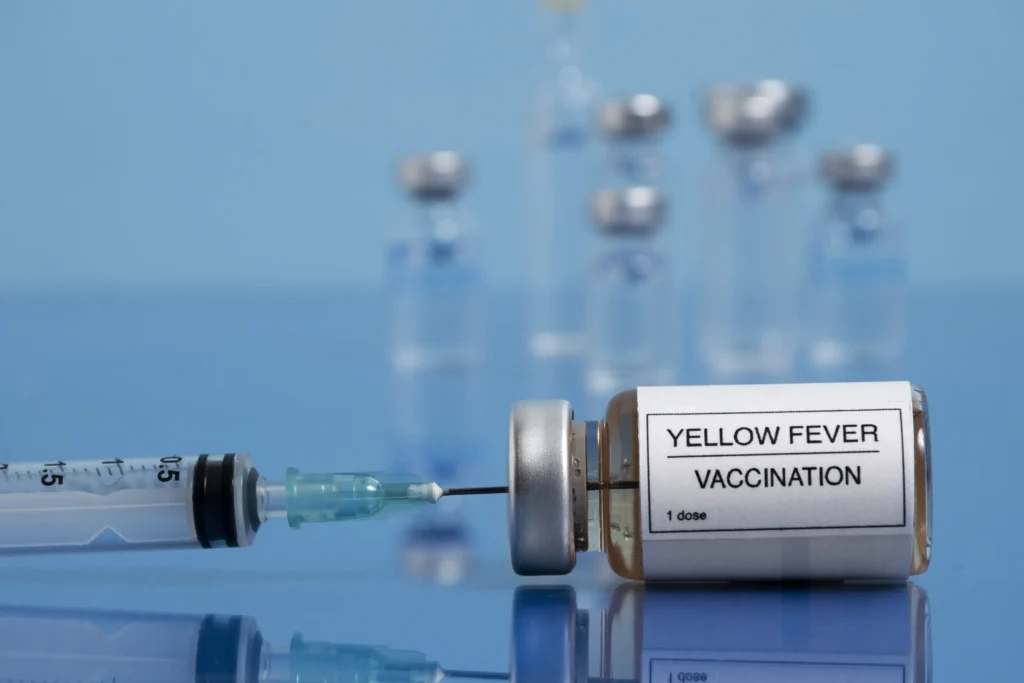
After your yellow fever vaccine, avoid alcohol and heavy exercise. Don’t ignore new symptoms for at least 24 to 48 hours. The vaccine is live attenuated, and the immune system develops protection over approximately 10 days.
Normal daily activities do not affect vaccine effectiveness. Keep your vaccination certificate safe, stay hydrated, and give your body the recovery time it deserves.
Read to understand what to avoid, what to eat, and when to seek help.
What Happens After Receiving the Yellow Fever Vaccine?
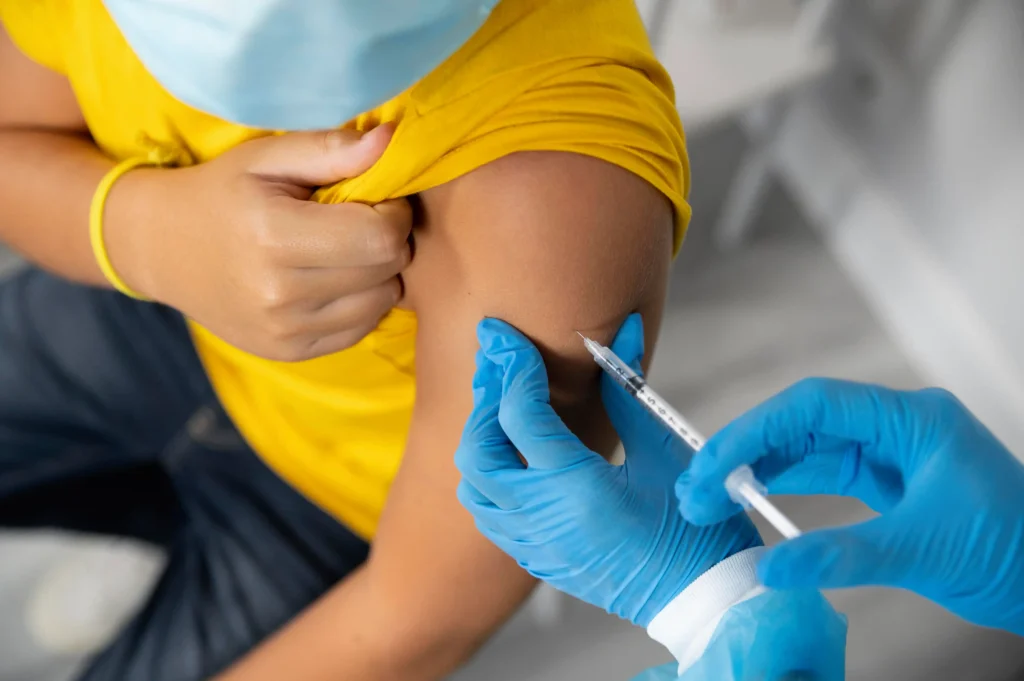
The yellow fever vaccine contains a live, weakened form of the virus. Your immune system treats it as a real threat and builds a defence. That process is why some people feel off for a day or two afterwards.
Most people start developing protection around day 10. Full immunity is generally confirmed by day 30, though many travellers are well protected before then.
Your International Certificate of Vaccination only becomes valid 10 days after the jab. Booking your vaccine at least two weeks before travel is a sensible rule of thumb.
Common short-term reactions include mild fever, fatigue, and soreness around the injection site. These are signs your immune system is doing exactly what it should.
For full details on yellow fever vaccination at Orrell Park, visit our travel clinic page.
What To Avoid After The Yellow Fever Vaccine?
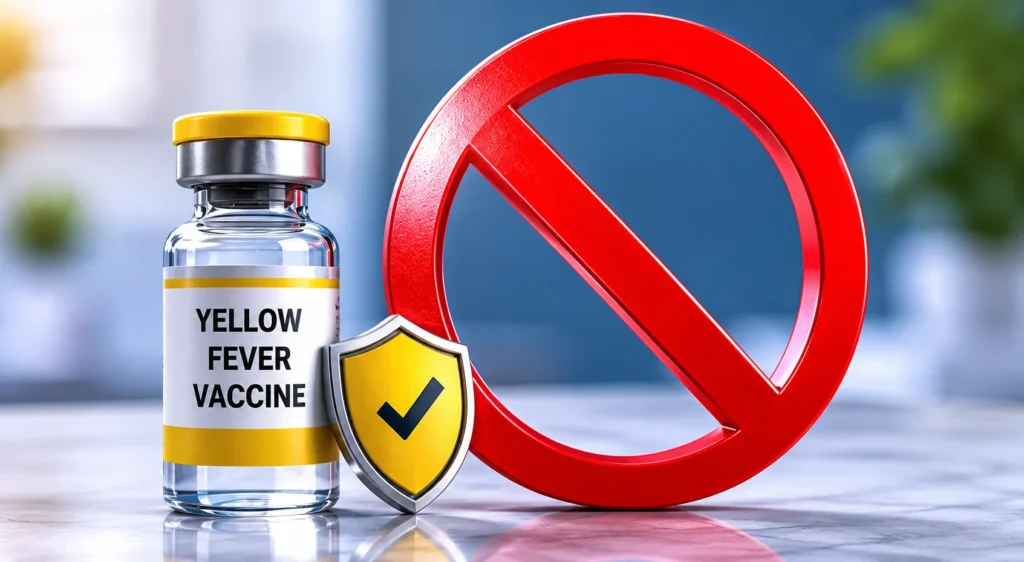
Avoid Heavy Exercise for 24 – 48 Hours
Intense physical activity puts extra stress on the body. When your immune system is already working hard post-vaccination, strenuous exercise can make symptoms worse.
Light walking is fine for most people. Gym sessions, running, or sport should wait until you feel back to normal. Staying hydrated may help manage common mild side effects such as headache or fatigue.
Avoid Alcohol Immediately After Vaccination
Alcohol is dehydrating and can put extra strain on your liver. Since your immune system is actively responding to the vaccine, drinking too soon may slow that process down.
There is no official mandatory waiting period, but most pharmacists recommend avoiding it for at least 48 hours. Swap the pint for a glass of water and a good night’s sleep.
Avoid Ignoring Early Side Effects
Mild symptoms after the yellow fever vaccine are normal. Soreness, a low-grade fever, and tiredness typically appear within 24 hours and clear up on their own.
The mistake many people make is pushing through and carrying on as usual. Monitor how you feel for the first few days. If symptoms feel manageable, rest and fluids are usually all you need.
Avoid Travelling Too Soon After Vaccination
The International Certificate of Vaccination becomes valid for travel purposes 10 days after vaccination, in line with International Health Regulations. Some countries require proof of vaccination at the border. If your certificate has not yet reached the 10-day mark, you could face entry issues or be turned away.
Last-minute vaccinations are risky for this reason. Book your appointment as early as possible to avoid unnecessary stress.
Avoid Certain Medications Unless Approved by a Healthcare Professional
The yellow fever vaccine works differently from inactivated vaccines and can interact with certain medications.
If you are taking immunosuppressants, long-term steroids, or chemotherapy drugs, speak to your GP or pharmacist before having the jab. These medications can interfere with how your body responds to a live vaccine.
Do not adjust or stop any prescription medication on your own. Always get advice from a healthcare professional who knows your full medical history.
Avoid Missing Signs of Severe Reactions
Serious reactions to the yellow fever vaccine are rare. Knowing the warning signs means you can act quickly if something feels wrong.
Seek urgent medical attention if you experience any of the following:
- Difficulty breathing or swallowing
- Swelling of the face, lips, or throat
- High fever that does not come down
- Severe headache or confusion
- Neurological symptoms such as weakness or seizures
Foods To Avoid After Yellow Fever Vaccine

Is There Any Food Restriction After the Vaccine?
There is no strict list of banned foods after the yellow fever vaccine. Unlike some medications, this jab does not come with a dietary prescription. Light meals may be preferred if mild nausea or fatigue occurs.
Foods That May Worsen Discomfort
Certain foods are not directly harmful post-vaccine, but they can make side effects feel worse. If you are already dealing with nausea or fatigue, your diet matters.
It is worth being cautious with:
- Excessively greasy or fried foods
- Very spicy meals
- Highly processed snacks
- Large amounts of caffeine, especially if you feel dehydrated or anxious
None of these will stop the vaccine from working. But they can turn mild discomfort into a much worse few days.
Best Foods and Drinks for Recovery
Focus on foods that are easy to digest and support immune function. Good recovery foods include:
- Plenty of water and electrolyte drinks if you have been sweating or have a fever
- Fresh fruit and vegetables
- Protein-rich foods such as eggs, chicken, or lentils
- Plain foods like toast or porridge if you feel nauseous
Common Yellow Fever Vaccine Side Effects
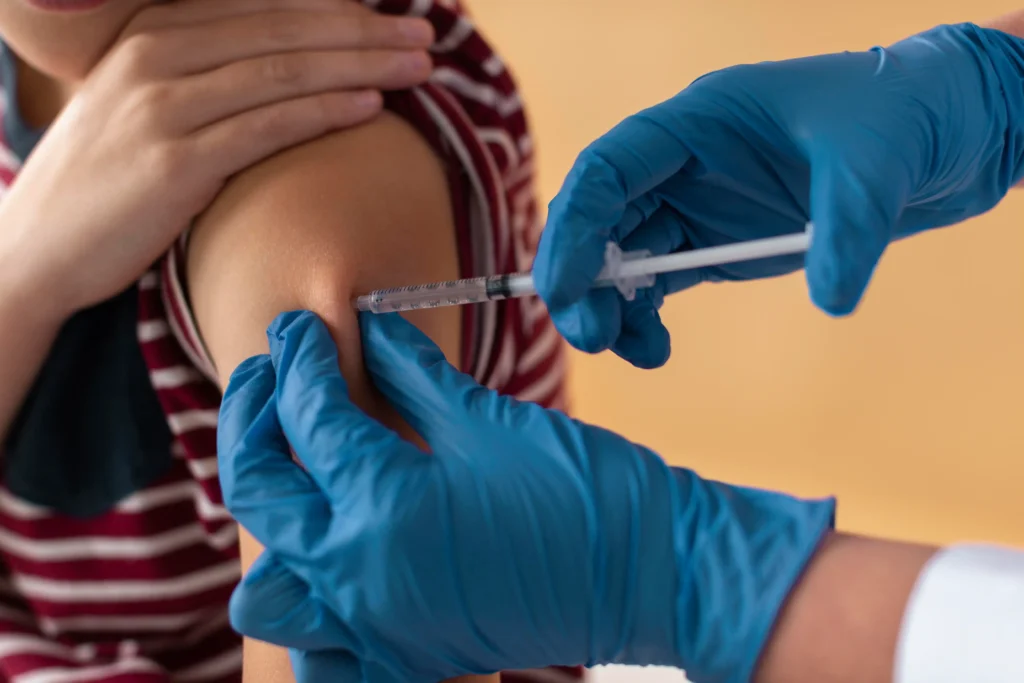
Normal Mild Side Effects
Most people experience at least one mild side effect after the yellow fever vaccine. These are a normal part of the immune response and not a cause for concern.
Common mild side effects include:
- Soreness, redness, or swelling at the injection site
- Mild fever
- Fatigue or tiredness
- Muscle aches
- Headache
Symptoms usually appear within 24 hours and resolve within 3 to 5 days. Paracetamol can help manage discomfort. Always follow the dosing instructions on the packet.
Rare But Serious Side Effects
Serious reactions are uncommon. They are worth knowing so you know when to act.
Very rare complications include severe allergic reactions (anaphylaxis), neurological symptoms (a condition called yellow fever vaccine-associated neurological disease, or YEL-AND), and organ-related complications. These occur in a very small number of cases, mostly in people over 60 or those with weakened immune systems.
For the vast majority of healthy adults travelling to risk regions, the benefit of vaccination far outweighs these risks. Your pharmacist or travel clinic can advise based on your individual health history.
How Long Does Recovery Take After Yellow Fever Vaccination?

For most people, recovery is quick. Mild symptoms tend to peak around 24 to 48 hours after the jab and then start improving.
By day 3 to 5, most people feel back to normal. Some feel perfectly fine the same day. A small number of people feel run down for up to a week. Recovery time varies depending on your age, general health, and how active your immune system is. Older adults may find it takes a little longer.
Post Vaccination Precautions Yellow Fever Travellers Should Follow
- Rest: Get adequate rest for 24-48 hours after vaccination. Avoid overexertion if you feel tired or unwell.
- Keep your certificate safe: Store your ICVP with your passport and keep a backup copy, as it may be required for travel.
- Monitor symptoms: Mild side effects are common and should improve within a few days. Seek advice if symptoms worsen or persist.
- Seek medical advice: Contact your GP, pharmacist, or travel clinic if you are concerned at any time.
Quick Recovery Checklist:
- Avoided alcohol for 48 hours
- Skipped strenuous exercise for at least 24 hours
- Drinking plenty of water
- Eating simple, nourishing foods
- Getting adequate sleep
- Certificate stored safely with travel documents
- Monitoring symptoms daily
When Should You Contact a Doctor After the Yellow Fever Vaccine?

Most reactions are mild and resolve on their own. You should seek medical advice if any of the following apply:
- Symptoms last longer than 5 to 7 days and are not improving
- Fever rises above 39°C or feels out of proportion
- Breathing becomes difficult
- You develop neurological symptoms such as confusion, weakness, or difficulty speaking
- You have a severe allergic reaction with swelling or hives
If in doubt, contact your GP practice, call 111, or speak to the pharmacist who administered your vaccine. Travel vaccination clinics are well placed to advise on post-vaccine concerns because they manage these questions regularly.
You should also contact a professional if you are unsure whether your existing medication could have affected the vaccine.
Frequently Asked Questions
Can I take paracetamol after the yellow fever vaccine?
Yes, paracetamol is safe to use after the yellow fever vaccine and can help manage fever or headache. Ibuprofen is also fine for most people. Avoid aspirin in children under 16. There is no strong evidence that paracetamol reduces vaccine effectiveness in adults.
Can I have other vaccines at the same time as yellow fever?
Live vaccines may need to be administered on the same day or spaced according to national immunisation guidance to avoid interference. Always let your pharmacist know about any other vaccinations you have had recently.
Is the yellow fever vaccine safe during pregnancy?
The yellow fever vaccine is generally not recommended during pregnancy because it contains a live virus. If travel to a high-risk area is unavoidable, the decision should be made with a GP or specialist who can weigh the risks carefully for each individual case.
How long does the yellow fever vaccine last?
WHO states that a single dose is generally considered to provide long-term protection for most individuals. Since 2016, the World Health Organisation has confirmed that a booster dose is not required under most circumstances.
What if I feel completely fine after the yellow fever vaccine?
That is perfectly normal too. Not everyone experiences side effects. Feeling well does not mean the vaccine has not worked. Your immune system can respond effectively without producing obvious symptoms.
Final Thoughts
The yellow fever vaccine is a well-established and protective jab for travellers. The vast majority of people get through it without any serious issues.
Mild side effects are a normal part of the process and usually pass within a few days. Rest, hydration, and a sensible diet are the three most practical things you can do to support your recovery.
Good travel health starts with good preparation. Book your yellow fever vaccination early, ideally 4 to 6 weeks before travel. So you have time to recover and reach full protection.